


Hatching brine shrimp eggs without an air pump is possible with the right techniques. This guide will show you easy, step-by-step methods to successfully hatch brine shrimp using common household items. Enjoy fresh, nutritious food for your fish or shrimp tank without specialized equipment.
Key Takeaways
- Method Flexibility: You can hatch brine shrimp eggs without an air pump by using natural agitation techniques.
- Important Supplies: Essential items include a jar or container, salt, and a light source or gentle agitation tool.
- Water Quality: Clean, properly salted water is key for successful hatching.
- Temperature Control: Maintaining a warm, stable temperature improves hatch rates.
- Gentle Movement: Natural or manual agitation helps keep eggs in suspension and promotes hatching.
- Monitoring: Regular observation ensures the process is proceeding smoothly, and adjustments can be made if needed.
- Safety Tips: Avoid over-agitation and keep conditions clean to prevent mold or bacterial growth.
Introduction
If you keep fish, shrimp, or other aquatic pets, you’ve likely heard of brine shrimp as a nutritious treat. They are easy to hatch and highly beneficial. Usually, hatchers use an air pump to keep the water aerated. But what if you don’t have an air pump? No worries! In this guide, you’ll learn how to hatch brine shrimp eggs without an air pump. We’ll explore simple, natural methods to successfully hatch brine shrimp using everyday items. Whether you’re a beginner or looking for a backup plan, this guide will help you hatch healthy brine shrimp without specialized equipment.
Understanding Brine Shrimp Hatching
Brine shrimp eggs, also called cysts, are hardy and can hatch in saltwater with the right conditions. They require proper salinity, temperature, and agitation. Typically, an air pump provides continuous movement, ensuring the eggs stay suspended and oxygenated. Without an air pump, you’ll need to mimic this movement naturally or manually. The key is to keep the eggs in gentle, consistent motion and provide optimal water conditions.
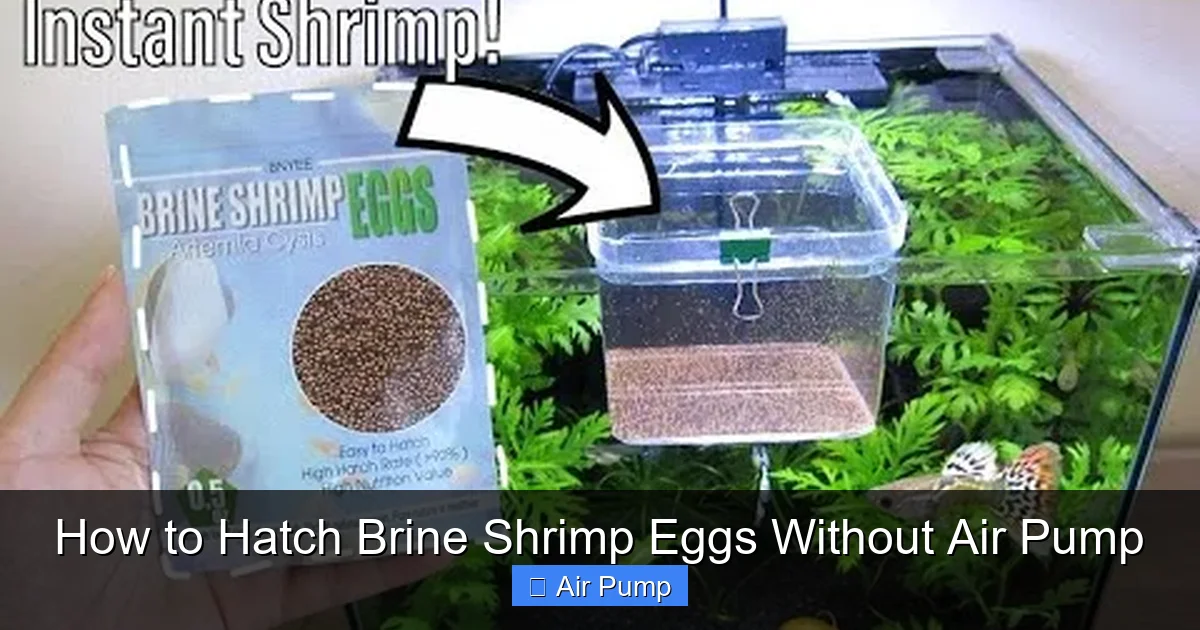
Visual guide about How to Hatch Brine Shrimp Eggs Without Air Pump
Image source: i.ytimg.com
Materials Needed
- Container: A clear jar, glass, or plastic container (at least 1-liter capacity)
- Salt: Aquarium-grade marine salt or non-iodized sea salt
- Water: Clean, dechlorinated water (preferably filtered or boiled and cooled)
- Eggs: Brine shrimp cysts
- Light source: A bright lamp or natural sunlight
- Tools for agitation: Stirring stick, or manual shaking device
- Thermometer: To monitor water temperature
- Optional: Bubble wand or gentle aerator (if available, for backup)
Step-by-Step Guide
Step 1: Prepare Your Water
Use filtered or dechlorinated water. Add salt to mimic ocean conditions. A typical ratio is 1 gram of salt per liter of water. Mix thoroughly until the salt dissolves completely.
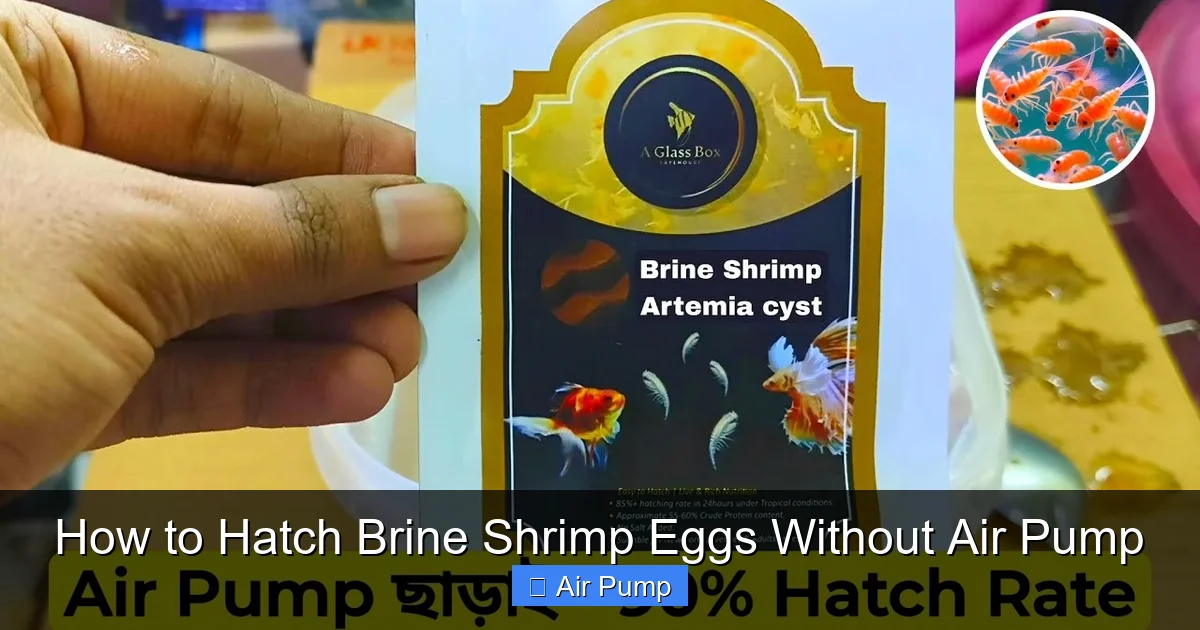
Visual guide about How to Hatch Brine Shrimp Eggs Without Air Pump
Image source: i.ytimg.com
Tip: Use a clean container to prevent contamination. The water should be around 25-28°C (77-82°F) for optimal hatching. Use a thermometer to check.
Step 2: Add Brine Shrimp Cysts
Pour the brine shrimp eggs into the prepared water. Use about 1 teaspoon of cysts per liter of water. Gently stir or swirl the container to distribute the eggs evenly.
Tip: Use fresh cysts for higher hatch rates. Old or expired eggs may not hatch well.
Step 3: Provide Light and Temperature
Place the container in a well-lit area or under a bright lamp. Natural sunlight works well if it’s consistent. Keep the temperature steady around 25-28°C (77-82°F). Avoid direct heat or cold drafts.
Tip: A consistent light source helps stimulate hatching and encourages the eggs to hatch faster.
Step 4: Mimic Gentle Movement
Since you’re not using an air pump, you’ll need to manually keep the eggs in suspension. There are several effective methods:
- Manual Shaking: Gently shake the container a few times per hour. This helps keep the eggs from settling and promotes oxygen exchange.
- Stirring Stick: Use a clean stirring stick to gently swirl the water periodically.
- Natural Agitation: Place the container on a slight incline or rock it gently to create movement.
Tip: Be gentle to avoid breaking the cysts or creating turbulence that could damage the eggs.
Step 5: Wait and Observe
Hatching typically occurs within 24-48 hours. During this time, keep the water warm, well-lit, and gently agitated. Watch for tiny nauplii (brine shrimp larvae) emerging from the cysts.
Tip: If you see no activity after 48 hours, check water temperature, salinity, and agitation. Make adjustments as needed.
Step 6: Harvest and Rinse
Once the shrimp hatch, turn off the light if you wish to slow hatching. Use a fine mesh net or a turkey baster to collect the nauplii. Rinse them gently in clean, saltwater to remove any unhatched eggs or debris.
Tip: Feed the hatchlings immediately or store them in a separate container with clean water if not feeding right away.
Practical Tips for Success
- Consistent Conditions: Keep water temperature and salinity stable throughout the hatching process.
- Use Fresh Eggs: Old or improperly stored cysts hatch poorly. Use fresh ones for best results.
- Gentle Agitation: Avoid vigorous shaking that can damage eggs or nauplii.
- Lighting: Bright, consistent light encourages faster hatching.
- Patience: Sometimes, hatching takes longer. Keep conditions stable and be patient.
Troubleshooting Common Problems
- No hatching after 48 hours: Check water temperature, salinity, and cyst viability. Ensure gentle agitation is maintained.
- Low hatch rate: Use fresh cysts, confirm proper salinity, and maintain consistent temperature.
- Mold or bacterial growth: Keep the water clean and avoid overfeeding or excess organic debris.
- Eggs sinking and not hatching: Increase gentle agitation to keep eggs suspended.
Conclusion
Hatching brine shrimp eggs without an air pump is simple and effective once you understand the key principles. By maintaining proper water conditions, providing gentle agitation, and offering consistent light and temperature, you can successfully hatch healthy brine shrimp for your aquatic pets. This natural approach saves money and equipment while still producing nutritious food for fish and shrimp tanks. Happy hatching!
