


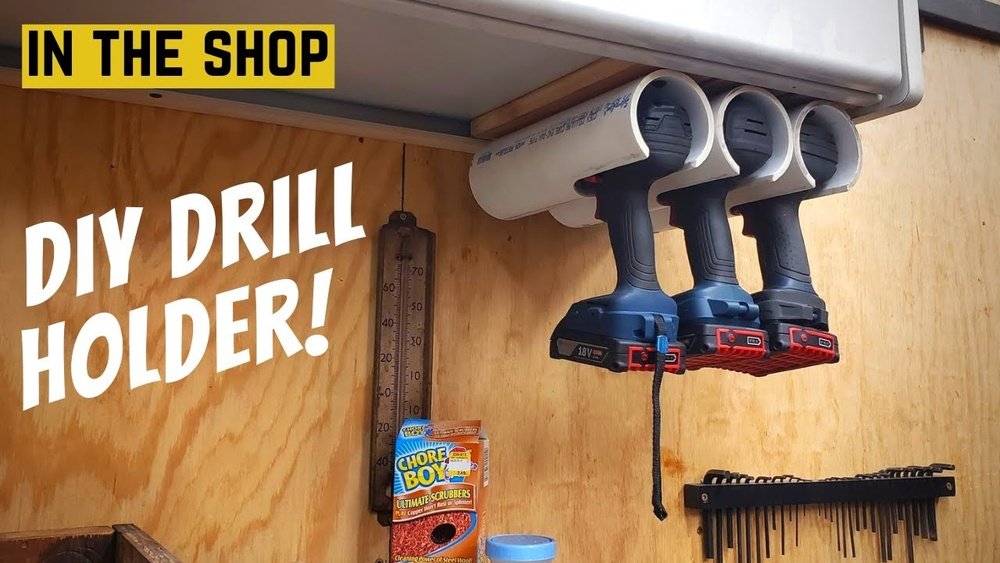
Are you tired of misplacing your cordless drill or struggling to find a safe spot to keep it while you work? A cordless drill holder could be the simple solution you need to keep your workspace organized and your drill within easy reach.
You’ll discover an easy and affordable way to make your own cordless drill holder. By the end, you’ll have a practical setup that saves you time, protects your tool, and makes your projects smoother. Ready to take control of your workspace?
Let’s get started!

Credit: www.nextgen-itsolution.com
Materials Needed
Before starting your cordless drill holder project, gather all the materials. Having everything ready helps the work go smoothly. You will need a mix of tools and supplies. This section lists what to prepare for a simple, sturdy holder.
Essential Tools
- Drill with various drill bits
- Screwdriver or power driver
- Measuring tape or ruler
- Pencil or marker for marking
- Clamps to hold pieces together
- Sandpaper or sanding block
- Safety glasses and gloves
Recommended Supplies
- Wood board or plywood, about 1/2 inch thick
- Wood screws, size depends on wood thickness
- Wood glue for extra strength
- Paint or wood finish (optional)
- Wall anchors if mounting on drywall
- Hooks or brackets for holding drill bits
Choosing The Right Location
Choosing the right location for your cordless drill holder is very important. It affects how easy and safe it is to use your drill. The right spot keeps your workspace tidy and tools ready. Think about where you work and how you move around. This helps you find a place that fits your daily tasks well.
Workspace Considerations
Pick a spot with enough space around it. Avoid crowded areas that can cause accidents. The holder should not block walkways or doors. Look for a flat, sturdy surface to mount the holder. Keep it near your workbench or tool area. Proper lighting helps you see the drill clearly. Make sure the location stays dry and clean to protect the drill.
Accessibility Tips
Place the holder at a comfortable height for easy reach. Avoid bending or stretching too much to get the drill. Position it so you can grab and return the drill quickly. Think about how often you use the drill. Keep it close if you use it often. Use labels or color marks for quick identification. This saves time and keeps your workflow smooth.
Designing Your Drill Holder
Designing your cordless drill holder is the first step to keep your workspace neat. A good design holds the drill safely and makes it easy to grab. This part focuses on choosing the right shape and adding features for your drill.
Basic Holder Shapes
Start by picking a shape that fits your drill size. A simple box shape works well for most drills. It holds the drill upright and prevents it from falling. Another option is a hook shape that hangs the drill by the handle. This saves space and keeps the drill visible.
Consider a slot design for quick access. The drill slides in and out easily. Choose a shape that fits your workspace and drill use habits. The shape should hold the drill firmly without too much effort to place or remove it.
Customizing For Your Drill
Measure your drill carefully before building the holder. Note the length, width, and handle size. Use these numbers to adjust the holder size. Add padding or soft material to protect the drill from scratches.
Think about extra features like slots for drill bits or batteries. Customize the holder to keep all drill parts together. Make sure the holder allows easy charging if your drill is cordless. Adjust the design to fit your work area and storage needs.
Step-by-step Assembly
Building a cordless drill holder is simple and fun. Follow these steps carefully to create a sturdy and useful holder. Each step helps you prepare, join, and finish the parts properly. This guide breaks down the process into clear tasks. Take your time and enjoy making your own drill holder.
Cutting And Preparing Materials
Start by measuring the wood or plastic pieces. Cut them into the right size using a saw or cutter. Smooth the edges with sandpaper to avoid splinters. Make sure each piece fits your drill’s size. Prepare holes or slots for screws or nails. Double-check all parts before moving on.
Joining Components
Use screws or nails to connect the parts securely. Drill pilot holes first to prevent splitting. Attach the base and the back support firmly. Add side panels or holders to keep the drill in place. Tighten all screws evenly for a strong frame. Check the holder’s stability before finishing.
Finishing Touches
Sand the entire holder to smooth rough spots. Apply paint or varnish for protection and style. Let the finish dry completely before use. Add rubber pads or felt to prevent slipping. Test the holder with your drill to ensure a good fit. Your cordless drill holder is ready to use.
Mounting Options
Choosing the right mounting option for your cordless drill holder is important. It keeps your drill safe and easy to reach. Different mounting methods fit different spaces and needs. Here are two popular ways to mount your drill holder.
Wall Mounting Techniques
Wall mounting saves space and keeps your drill off the workbench. You can use hooks, brackets, or custom wooden holders. First, find a strong spot on the wall. Use anchors or screws to secure the holder firmly.
Place the drill holder at a height that feels comfortable. This makes grabbing your drill quick and easy. Wall mounting also helps keep your workspace tidy. It prevents drills from falling or getting damaged.
Workbench Integration
Integrating the drill holder into your workbench keeps tools close while you work. Attach the holder to the side or front edge of your bench. Use screws or clamps for a solid fit.
This method keeps your drill handy without cluttering the bench surface. It also makes charging the drill easier if near an outlet. Workbench integration suits smaller spaces and busy workshops.

Credit: www.istdiego.net
Safety And Maintenance
Safety and maintenance are key to using a cordless drill holder well. A secure holder keeps your drill safe and easy to reach. Regular care helps your holder last longer and work better. Follow simple steps to protect your tools and yourself.
Secure Installation Tips
Choose a strong wall or surface to mount your holder. Use proper screws and anchors for a firm grip. Check the holder’s position to avoid falling drills. Tighten all screws and bolts securely. Test the holder by gently placing the drill before use. Avoid places near water or heat to prevent damage. Keep the holder at a comfortable height for easy access.
Keeping Your Holder Durable
Clean the holder regularly to remove dust and dirt. Use a dry cloth or mild cleaner for the job. Avoid harsh chemicals that may weaken the material. Inspect the holder for cracks or loose parts often. Fix any damage immediately to prevent accidents. Lubricate moving parts if your holder has any. Store the holder in a dry place when not in use. Proper care extends the life of your cordless drill holder.
Alternative Storage Ideas
Finding the right place to keep your cordless drill can be tricky. A simple holder might not fit all your needs. Alternative storage ideas help you organize better and save space. These options also make it easy to carry and access your drill anytime.
Portable Holders
Portable holders are great for moving your drill around. They often come with straps or handles for easy carrying. Some designs fit inside toolboxes or backpacks. This way, you keep your drill safe and ready to use. Portable holders protect your drill from dust and damage. They also help you stay organized on the job.
Multi-tool Organizers
Multi-tool organizers store more than just your drill. These holders have slots for batteries, bits, and other tools. They keep everything in one place to save time. Some organizers can hang on walls or fit in drawers. This makes your workspace clean and clutter-free. Multi-tool organizers are perfect for small spaces and busy work areas.

Credit: www.etsy.com
Frequently Asked Questions
What Materials Are Needed For A Cordless Drill Holder?
You need wood or metal, screws, brackets, and a drill bit. Optional items include foam padding for protection and paint for finishing.
How Do I Mount A Cordless Drill Holder?
Securely attach the holder to a wall or workbench using screws and brackets. Ensure it is at a convenient height for easy access.
Can I Customize A Cordless Drill Holder Design?
Yes, customize size, shape, and compartments to fit your drill and accessories. Personalize it to match your workspace style.
Is Making A Cordless Drill Holder Cost-effective?
Yes, DIY holders cost less than store-bought ones. Using scrap materials can make it even cheaper.
Conclusion
Making a cordless drill holder saves space and keeps tools neat. You can use simple materials to build one quickly. It helps protect your drill from damage. This holder makes your work area safer and more organized. Try making your own holder today.
It’s easy and useful for every toolbox. You will enjoy having your drill ready and easy to find. A small project with big benefits. Give it a try!
