


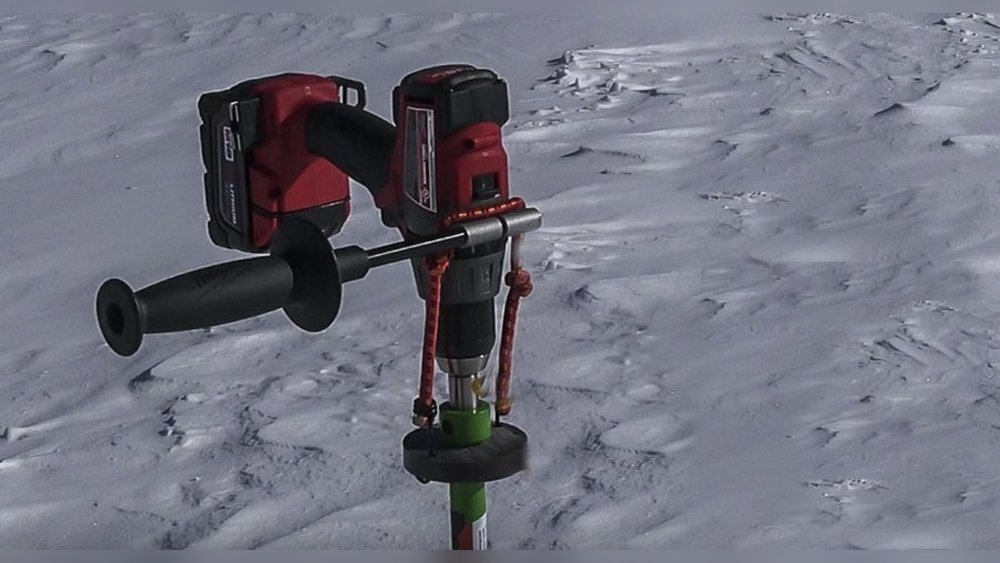
If you love ice fishing, you know how important it is to have the right tools. Imagine drilling through thick ice quickly without lugging heavy equipment.
What if you could turn your cordless drill into a powerful ice auger? In this guide, you’ll learn how to make a cordless drill ice auger that saves you time and effort. Keep reading, because by the end, you’ll be ready to tackle ice fishing like a pro with gear you built yourself.
Materials Needed
Gathering the right materials is the first step to making a cordless drill ice auger. Choosing the correct parts helps the project go smoothly. This section covers the main items needed.
Cordless Drill Selection
Pick a drill with strong battery power. A 18V or 20V cordless drill works best. The drill should have good torque for drilling through ice. Check the drill’s speed settings. Variable speed helps control the auger.
Auger Bit Options
Select an auger bit made for ice fishing. Choose a size that matches your fishing needs. Most common sizes range from 6 to 8 inches in diameter. The bit must fit securely on the drill. Look for bits with sharp, durable blades.
Additional Tools And Supplies
Have a few extra tools ready. You will need screws or bolts to attach the auger bit. A wrench or screwdriver helps with assembly. Use strong tape or clamps for extra hold. Safety gear like gloves and goggles is important too.
Preparing The Drill
Preparing the drill is the first step in making your cordless drill ice auger. This step ensures the drill is ready to hold the auger bit firmly. Proper preparation helps the drill work smoothly and safely on the ice.
Focus on two main tasks: removing the chuck and attaching the adapter. These tasks let you fit the ice auger bit onto the drill correctly.
Removing The Chuck
Start by removing the chuck from your cordless drill. The chuck is the part that usually holds drill bits. Use a wrench or pliers to loosen it if needed. Turn the chuck counterclockwise to remove it. Keep the chuck and screws safe for later use. Removing the chuck creates space for the adapter and auger bit.
Attaching The Adapter
Next, attach the adapter to the drill’s shaft. The adapter connects the drill to the ice auger bit. Slide the adapter onto the shaft where the chuck was. Tighten it securely with screws or a locking mechanism. Make sure the adapter fits tightly to avoid slipping. This step prepares the drill to turn the auger bit effectively.
Building The Auger Bit
Building the auger bit is a key step in making a cordless drill ice auger. The bit cuts through the ice quickly and cleanly. It needs to be strong and sharp to work well.
Start by choosing the right blade. Then sharpen the blades carefully. Finally, assemble the bit so it fits your drill perfectly.
Choosing The Right Blade
Select a blade made of strong metal like stainless steel. It should resist rust and stay sharp longer. Pick a blade size that matches your drill’s power. Too big can strain the drill. Too small may not cut well.
Sharpening The Blades
Use a file or sharpening stone to sharpen the blade edges. Keep the angle steady for even cutting. Sharpen both sides evenly to avoid imbalance. Sharp blades cut ice faster and require less effort.
Assembling The Bit
Attach the blades to a metal shaft that fits your drill chuck. Secure the blades firmly with screws or welding. Make sure the blades spin freely without wobbling. Test the bit on ice before full use to ensure safety and function.

Credit: www.loveeconomychurch.org
Connecting Drill And Auger
Connecting the drill and auger is a key step in making a cordless drill ice auger. This connection must be strong and stable. It helps the drill turn the auger smoothly through the ice. A loose connection can cause wobbling or damage. Follow the right steps to secure the parts well and test the setup before use.
Securing The Auger To The Drill
Start by matching the auger shaft to the drill chuck. Make sure the auger fits the drill size. Insert the auger shaft fully into the chuck. Tighten the drill chuck firmly around the auger shaft. Use a chuck key if your drill has one. Check the fit by trying to move the auger by hand. It should not wiggle or slip.
Testing The Connection
Power on the drill at a low speed. Watch how the auger spins. The rotation must be smooth and steady. Listen for unusual sounds or vibrations. Stop the drill if it feels unstable or noisy. Adjust the chuck and tighten again if needed. Test until the drill and auger work well together.
Safety Tips
Safety is the top priority when making a cordless drill ice auger. Careful steps protect you and others around. Follow safety tips strictly to avoid accidents and injuries. This section covers the essential safety gear and safe ways to use your tool.
Protective Gear
Wear sturdy gloves to protect your hands from sharp edges. Use safety goggles to shield your eyes from flying ice chips. A warm hat and insulated clothing keep you comfortable in cold weather. Non-slip boots prevent falls on slippery ice surfaces. Always prepare with the right gear before starting.
Safe Operating Practices
Check the drill and auger parts for damage before use. Keep a firm grip on the drill to control its power. Clear the area of bystanders, especially children and pets. Drill slowly to avoid sudden jerks or loss of control. Stop immediately if the drill feels hot or strained. Always work in daylight or good lighting for better visibility.
Using The Cordless Drill Ice Auger
Using a cordless drill ice auger makes ice fishing easier and faster. It lets you drill holes without heavy tools or extra effort. This tool saves time and energy, making your fishing trip more fun.
Drilling Techniques
Hold the drill steady and straight over the ice. Start the drill at a slow speed to create a small guide hole. Increase speed gradually to drill through the ice. Keep the drill balanced to avoid wobbling. Pull the auger up often to clear ice shavings. This helps the drill cut better and faster. Stop drilling once you reach the water.
Maintaining Battery Life
Use a fully charged battery before starting. Turn off the drill when not drilling to save power. Keep the battery warm in cold weather to prevent fast draining. Carry a spare battery for longer trips. Avoid overusing the drill at high speed to extend battery life. Charge the battery after every use to keep it ready.
Troubleshooting Common Issues
Building your own cordless drill ice auger is satisfying. Yet, some issues might slow you down. Troubleshooting these problems keeps your project smooth. This guide covers common problems and simple fixes. You can keep drilling without much hassle.
Drill Overheating
Drill overheating happens if you work too long without breaks. Heat can damage the motor and batteries. Stop drilling every few minutes. Let the drill cool down. Use a lower speed to reduce heat. Make sure the drill vents are not blocked. Clean vents regularly to allow airflow.
Blade Dullness
Dull blades reduce drilling power and increase effort. Check the blades before each use. Sharpen blades with a file or grinder. Replace blades if sharpening does not help. Keep blades clean from ice and debris. Sharp blades cut ice faster and easier. This saves your drill from extra strain.
Connection Problems
Connection problems can stop the drill from working. Check if the drill bit is tightly attached. Tighten the chuck if needed. Make sure battery contacts are clean and dry. Remove any ice or moisture from connections. Loose or dirty connections cause power loss. Secure all parts before drilling to avoid issues.

Credit: www.kgcountry.com

Credit: www.reddit.com
Frequently Asked Questions
What Materials Are Needed For A Cordless Drill Ice Auger?
You need a cordless drill, an auger bit, a metal collar, screws, and a sturdy handle. These materials ensure durability and effective ice drilling.
How Do You Attach The Auger Bit To The Drill?
Secure the auger bit into the drill’s chuck tightly. Use a metal collar and screws for extra stability during ice drilling.
Can Any Cordless Drill Be Used For An Ice Auger?
Not all drills are suitable. Choose a powerful, high-torque cordless drill with a long-lasting battery for efficient ice augering.
How Long Does It Take To Make A Cordless Drill Ice Auger?
Assembly typically takes 30 to 60 minutes, depending on your experience. Proper fitting ensures safety and better drilling performance.
Conclusion
Making a cordless drill ice auger is simple and cost-effective. You only need a few tools and some basic skills. This DIY project helps you drill holes in ice quickly. It saves money compared to buying a new auger. Plus, it’s easy to carry and use anywhere.
Always stay safe and wear gloves when working with sharp tools. Try this method for your next ice fishing trip. You’ll enjoy the process and the results. Ready to drill through ice with your own tool?
