


Are you ready to make your workshop safer and your drilling more precise? Mounting your drill press to a concrete floor is the key to stability and accuracy.
But how do you do it right without wasting time or money? In this guide, you’ll discover simple, step-by-step instructions that anyone can follow. By the end, you’ll feel confident that your drill press is securely fixed, reducing vibrations and boosting your work quality.
Keep reading to learn exactly what tools you need and how to get the job done quickly and safely.

Credit: www.instructables.com
Choose The Right Location
Choosing the right location is very important before mounting a drill press to a concrete floor. The spot must be safe and practical. Picking the best place helps the drill press work well and last longer. It also keeps your workspace neat and easy to use.
Check Floor Level And Stability
Start by checking if the floor is level. A flat surface stops the drill press from wobbling. Use a spirit level to find any uneven spots. Uneven floors can cause mistakes and damage the machine.
Next, check the floor’s strength. Concrete must be solid and strong. Avoid cracks or weak areas. The drill press is heavy and needs firm support to stay steady during use.
Consider Accessibility And Workspace
Think about how easy it is to reach the drill press. Leave enough space around the machine. This helps you move safely and operate the drill press without problems.
Good lighting and enough room for materials make work easier. Avoid tight corners or crowded places. A clear, open space improves both safety and comfort while working.
Gather Necessary Tools And Materials
Gathering the right tools and materials is the first step to mount a drill press on a concrete floor. Having everything ready makes the job easier and safer. This section explains what you need for a smooth installation. Use this list to prepare before you start.
Drill Press And Mounting Hardware
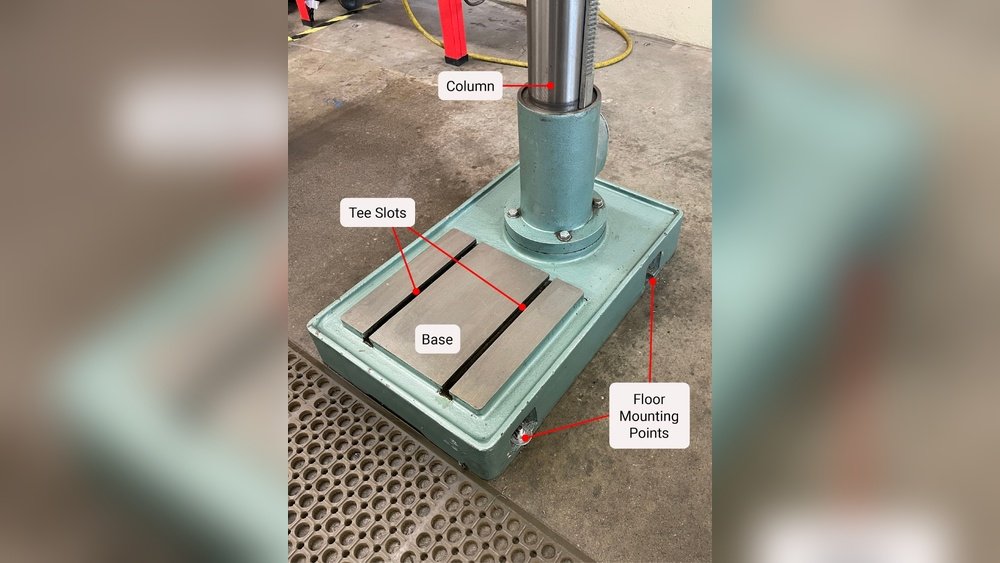
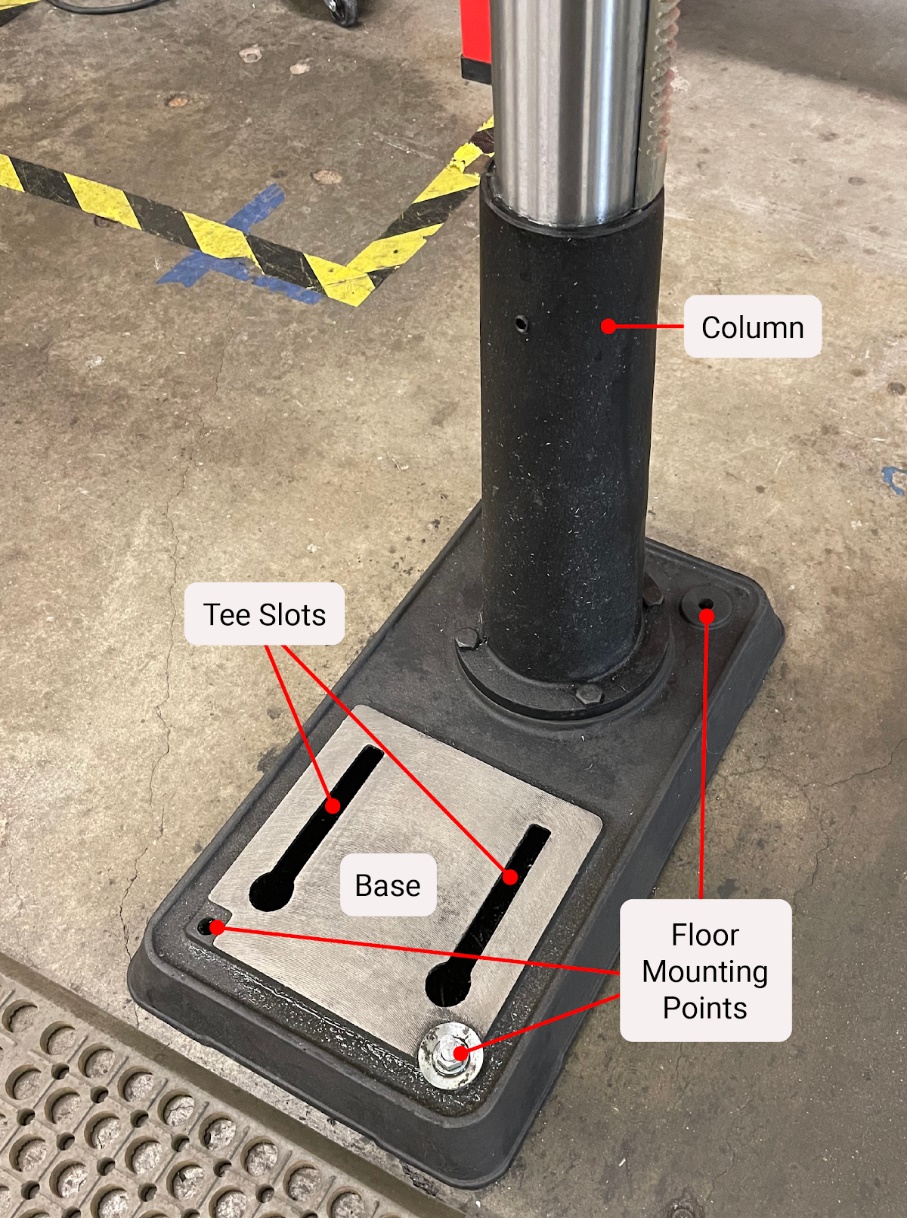
Start with the drill press itself. Check that it has mounting holes at its base. You will need bolts or screws designed for concrete. These secure the drill press firmly to the floor. Use the hardware recommended by the drill press manufacturer. Proper mounting hardware prevents wobbling and keeps the drill press stable.
Concrete Drill Bits And Anchors
Use concrete drill bits for making holes in the floor. These bits are strong and made for hard surfaces. Choose the right size bit that matches your anchors. Anchors hold the bolts tightly in the concrete. Select anchors suitable for the weight and use of the drill press. Using the correct drill bits and anchors ensures a secure fit.
Measuring And Marking Tools
Measure carefully before drilling. Use a tape measure to find the exact spots for mounting holes. Mark these spots with a pencil or chalk. A level helps to keep the drill press straight and balanced. Accurate measuring and marking prevent mistakes during mounting.
Safety Gear
Wear safety glasses to protect your eyes from dust and debris. Use ear protection if the drill press is loud. Gloves protect your hands while handling tools and materials. Always wear a dust mask when drilling concrete. Safety gear keeps you safe throughout the mounting process.
Prepare The Concrete Floor
Preparing the concrete floor is the first step in mounting your drill press securely. A strong base ensures stability and safety while you work. The floor must be clean and properly marked for drilling. This preparation helps avoid mistakes and makes the installation easier.
Take your time with these steps. They set the foundation for a well-mounted drill press.
Clean The Surface
Remove all dust, dirt, and debris from the concrete. Use a broom or vacuum to clear the area. Wipe the surface with a damp cloth to get rid of stubborn grime. A clean floor allows the drill press base to sit flat. It also helps the anchor bolts hold better in the concrete.
Mark Drilling Points
Place the drill press base where you want to mount it. Use a pencil or marker to mark the holes on the concrete. Check that the marks match the base holes exactly. Double-check measurements to avoid errors. Clear markings make drilling accurate and prevent damage to the base or floor.
Drill Anchor Holes
Drilling anchor holes in a concrete floor is a key step for mounting a drill press securely. These holes hold the anchors that keep the machine stable during use. Proper drilling ensures strong support and prevents damage to the floor or equipment.
Careful preparation and precise drilling make the process easier and safer. Follow each step closely to get clean, accurate holes ready for your anchors.
Select Proper Drill Bit
Choose a masonry drill bit sized for your anchors. The bit diameter must match the anchor size exactly. Use a high-quality bit for clean holes and long tool life. Avoid bits meant for wood or metal, as they won’t work well on concrete.
Drill To Correct Depth
Mark the drill bit with tape to stop at the right depth. The hole must be deep enough for the full anchor length. Too shallow and the anchor won’t hold. Too deep wastes time and can weaken the floor.
Clean Out Debris
Remove dust and debris from the holes after drilling. Use a vacuum or compressed air to clear the space. Clean holes help anchors fit tightly and secure better. Don’t skip this step for stronger mounting.
Install Anchors
Installing anchors is a key step in mounting a drill press to a concrete floor. Anchors hold the machine steady and prevent movement during use. Proper installation ensures safety and long-lasting support.
Choose Anchor Type
Select the right anchor for your drill press and floor type. Common options include wedge anchors, sleeve anchors, and drop-in anchors. Wedge anchors work well for heavy machines on solid concrete. Sleeve anchors offer versatility for various thicknesses. Drop-in anchors are flush with the floor and good for shallow holes. Match the anchor size to the drill press base holes. Check anchor strength ratings to handle machine weight.
Secure Anchors In Holes
Drill holes in the concrete using a hammer drill. Hole diameter must fit the anchor size exactly. Clean dust from each hole for better grip. Insert the anchor into the hole carefully. Tap it with a hammer until it is flush or slightly below floor level. Tighten nuts or bolts as required by the anchor type. Avoid overtightening to prevent anchor damage. Check that anchors hold firmly before mounting the drill press.
Credit: openwa.pressbooks.pub
Mount The Drill Press
Mounting the drill press securely on the concrete floor is essential for safe and accurate drilling. This step ensures the machine stays stable during operation. Follow the instructions carefully to fix the drill press firmly.
Align Base With Anchors
Place the drill press base over the drilled holes in the concrete. Match the holes in the base with the anchors. Check that the base sits flat without any gaps. Proper alignment helps keep the drill press steady.
Insert And Tighten Bolts
Put the bolts through the base holes into the anchors. Use a wrench to turn each bolt. Tighten them until the base is firmly fixed to the floor. Avoid over-tightening to prevent damage to the concrete or base.
Check Stability And Alignment
Checking the stability and alignment of your drill press after mounting it to the concrete floor is essential. This step ensures safety and accuracy during use. A stable and well-aligned drill press reduces vibration and improves drilling precision. Take time to verify these factors before starting any drilling tasks.
Test For Movement
Start by gently pushing the drill press from different sides. Watch for any wobbling or shifting. If it moves, the anchor bolts may not be tight enough. Place your hand under the base to feel for any gaps between the floor and the mount. Even slight movement can affect your work quality and safety.
Adjust If Necessary
Use a wrench to tighten the anchor bolts if the drill press moves. Check the level of the drill press using a spirit level. Adjust the base by adding shims under the mount if it is not perfectly level. Recheck the level and stability after each adjustment. Repeat until the drill press stands firm and straight on the floor.

Credit: www.youtube.com
Safety Tips And Maintenance
Mounting a drill press to a concrete floor requires care beyond just installation. Safety and maintenance keep the machine stable and working well. Regular checks and proper care help avoid accidents and extend the drill press’s life.
Regular Inspection
Check the drill press and floor bolts each week. Look for loose bolts or cracks in the concrete. Tighten any loose parts immediately. Inspect the drill press for unusual vibrations or noise. Early detection of problems prevents bigger issues.
Prevent Rust And Damage
Keep the drill press clean and dry. Wipe off dust and oil after each use. Apply light machine oil to metal parts to stop rust. Avoid spilling water or chemicals near the base. Use a cover to protect the drill press when not in use.
Frequently Asked Questions
How Do I Prepare Concrete Floor For Drill Press Mounting?
Clean the floor thoroughly and remove debris. Mark drill points accurately. Use a hammer drill with masonry bits to make holes. Insert anchors securely before mounting the drill press base.
What Type Of Anchors Work Best For Concrete Floors?
Use heavy-duty sleeve anchors or wedge anchors. These provide strong holding power for drill presses. Choose anchors compatible with your drill press base holes and concrete thickness.
How Do I Ensure Drill Press Stability On Concrete?
Use a level to align the drill press base. Tighten anchors firmly to prevent wobbling. Check stability by gently shaking the machine before operation.
Can I Mount A Drill Press Without Drilling Into Concrete?
No, drilling is necessary for secure mounting. Using adhesives or temporary setups won’t provide sufficient stability or safety during use.
Conclusion
Mounting a drill press to a concrete floor keeps it steady and safe. Use the right tools and follow steps carefully for best results. Check the floor surface before starting to ensure it is clean and level. Secure bolts tightly to avoid movement during use.
Regularly inspect the mounting to keep your drill press stable. This simple process helps your work stay accurate and efficient. Now, your drill press is ready for many projects ahead.
