


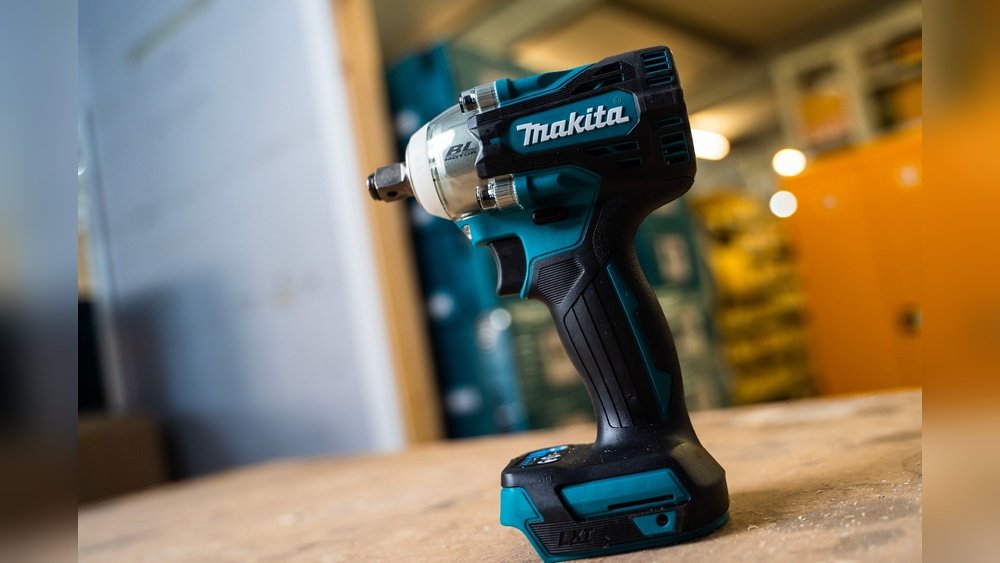
If you want your cordless drill to work smoothly and last longer, knowing how to oil it properly is a must. Skipping this simple step can cause your drill to wear out faster or even break down when you need it most.
In this guide, you’ll discover easy, clear steps to keep your tool in top shape. By the end, you’ll feel confident giving your cordless drill the care it deserves—saving you time, money, and frustration. Ready to protect your investment and boost your drill’s performance?
Let’s dive in.
Why Oil Your Drill
Oiling your cordless drill is a simple step that keeps it working well. It helps the drill last longer and run smoothly. Without oil, parts can get stuck or break faster. Regular oiling stops rust and damage inside the drill. A well-oiled drill saves money by avoiding repairs or replacements.
Benefits Of Regular Lubrication
Lubrication reduces friction between moving parts. This means the drill uses less power and runs cooler. Oil also prevents metal parts from wearing out quickly. It keeps the drill quiet and smooth. Oiling helps protect against rust and dirt buildup. Regular care makes the drill safer to use. It also improves the drill’s overall performance every time.
Signs Your Drill Needs Oil
Listen for strange noises like grinding or squeaking. These sounds mean parts are rubbing without enough oil. Notice if the drill feels hot after short use. Heat shows the tool is working too hard. Look for slow or jerky movement of the drill bit. This means the drill’s parts are stiff and dry. Rust or dust inside the drill is a clear warning. These signs tell you it’s time to oil your drill.
Choosing The Right Oil
Choosing the right oil is key to keeping your cordless drill running smoothly. The right lubricant helps reduce friction and wear on moving parts. It also protects the drill from rust and corrosion. Using the wrong oil can cause damage and shorten the tool’s life. Understanding which oils work best ensures your drill stays in top shape.
Types Of Oils Suitable For Cordless Drills
Light machine oils are a great choice for cordless drills. They are thin and flow easily into small parts. This oil reduces friction without causing buildup. Another option is synthetic oils, which last longer and resist heat better. These oils keep the drill working well even during heavy use. Avoid thick oils; they can clog the drill’s mechanisms.
Avoiding Harmful Lubricants
Steer clear of oils with additives that can damage plastic or rubber parts. Some automotive oils contain harsh chemicals harmful to drills. Avoid WD-40 as a long-term lubricant; it evaporates quickly. Heavy grease can block moving parts and cause overheating. Use only oils recommended for power tools to ensure safety and performance.
Tools And Materials Needed
Oiling a cordless drill helps it work smoothly and last longer. Before starting, gather the right tools and materials. Having everything ready makes the process quick and easy.
Essential Items For Oiling
First, you need the correct oil. Use light machine oil or a special drill oil for best results. Avoid thick oils or grease, which can clog the drill.
Next, prepare a clean cloth to wipe away dirt and old oil. A small brush helps reach tight spots. Some people use a toothpick or cotton swab for precision.
Keep a small container or tray to hold the oil. This prevents spills and wastes. Also, have paper towels handy for cleaning any drips.
Safety Gear To Use
Wear safety glasses to protect your eyes from dust or oil splashes. Gloves keep your hands clean and safe from chemicals.
Work in a well-ventilated area. Oil fumes can irritate your nose and throat. A mask is useful if you feel sensitive to smells.
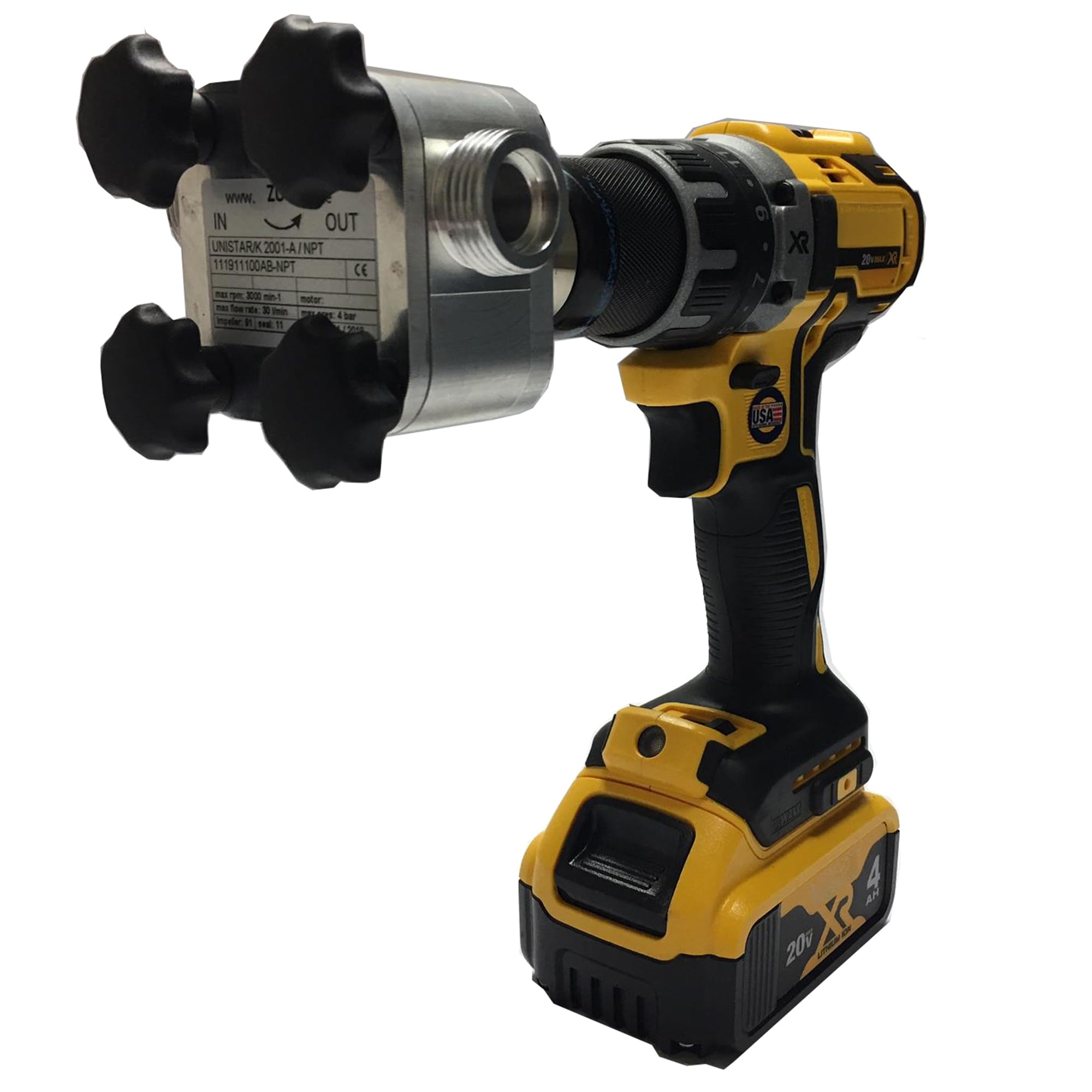
Credit: www.amazon.com
Step-by-step Oiling Process
Oiling your cordless drill regularly keeps it working smoothly and extends its life. The process is simple and quick. Follow these steps carefully to protect your tool and improve performance.
Preparing The Drill
Start by turning off the drill and removing the battery. This prevents accidents and power flow. Clean the drill’s exterior and chuck with a dry cloth. Clear any dust or debris around the moving parts. Find a clean workspace with good lighting before you begin oiling.
Applying The Oil
Use a few drops of lightweight machine oil or a specific drill lubricant. Apply oil to the chuck’s moving parts and metal joints. Avoid over-oiling to prevent dirt build-up. Rotate the chuck to spread oil evenly inside. Wipe off any excess oil to keep the drill clean.
Reassembling And Testing
Put the battery back into the drill. Turn it on and run the drill at low speed. Listen for smooth operation and check for unusual noises. If the drill runs quietly and smoothly, oiling was successful. Repeat oiling every few months for best results.
Maintenance Tips For Longevity
Proper maintenance keeps your cordless drill working longer and better. Simple care steps protect the drill’s parts from wear and damage. Regular attention helps avoid costly repairs or replacements.
Follow these tips to extend your drill’s life and keep it safe to use. Small actions make a big difference over time.
Cleaning After Use
Wipe the drill with a dry cloth after each job. Remove dust, dirt, and grease that can clog parts. Use a soft brush to clean vents and hard-to-reach areas. Avoid water or harsh chemicals that damage the drill. Keep the chuck free of debris for smooth operation.
Storage Recommendations
Store the drill in a cool, dry place away from sunlight. Keep it inside a case to prevent dust buildup. Remove the battery if not using the drill for a long time. Avoid storing the drill in extreme temperatures or damp areas. Proper storage keeps the drill safe and ready for the next use.

Credit: www.makitatools.com
Common Mistakes To Avoid
Oiling a cordless drill is simple but easy to do wrong. Many people make mistakes that harm their tool instead of helping it. Avoiding these errors keeps your drill working well and lasting longer.
Over-oiling Issues
Too much oil can cause parts to stick or attract dust. This dirt can clog the drill’s moving parts. Excess oil may drip inside the motor, causing damage. Use just enough oil to coat the parts lightly. Wipe away any extra to prevent build-up and mess.
Using Incompatible Oils
Not all oils work well with cordless drills. Some oils can damage rubber or plastic parts. Others might not protect metal parts properly. Always use oil recommended for power tools. Check the drill’s manual for the right type. Using the wrong oil can cause rust or wear faster.

Credit: www.amazon.com
Frequently Asked Questions
How Often Should I Oil A Cordless Drill?
You should oil your cordless drill every 3 to 6 months. Regular oiling keeps the drill running smoothly and prevents rust. Frequent use may require more frequent maintenance. Always follow the manufacturer’s recommendations for best results.
What Type Of Oil Is Best For Cordless Drills?
Use lightweight machine oil or 3-in-1 oil for cordless drills. These oils lubricate moving parts without gumming up. Avoid heavy oils or grease, as they can attract dust and debris, affecting performance.
Can I Oil My Cordless Drill Battery?
No, never oil or lubricate the battery. Batteries contain electrical components that can be damaged by oil. Focus on oiling the drill’s chuck and moving parts only for optimal maintenance.
How Do I Apply Oil To A Cordless Drill?
Apply a few drops of oil to the chuck and moving parts. Use a clean cloth to wipe off excess oil. Avoid over-oiling, which can attract dirt and cause damage.
Conclusion
Oiling your cordless drill keeps it working smoothly and lasts longer. Use the right oil and apply it carefully to moving parts. Clean the drill before oiling to avoid dirt buildup. Regular maintenance saves time and money on repairs. Small steps make a big difference in tool performance.
Keep your drill ready for any project by caring for it well. Simple care routines help your drill stay strong and reliable. Your effort today means better results tomorrow.
