


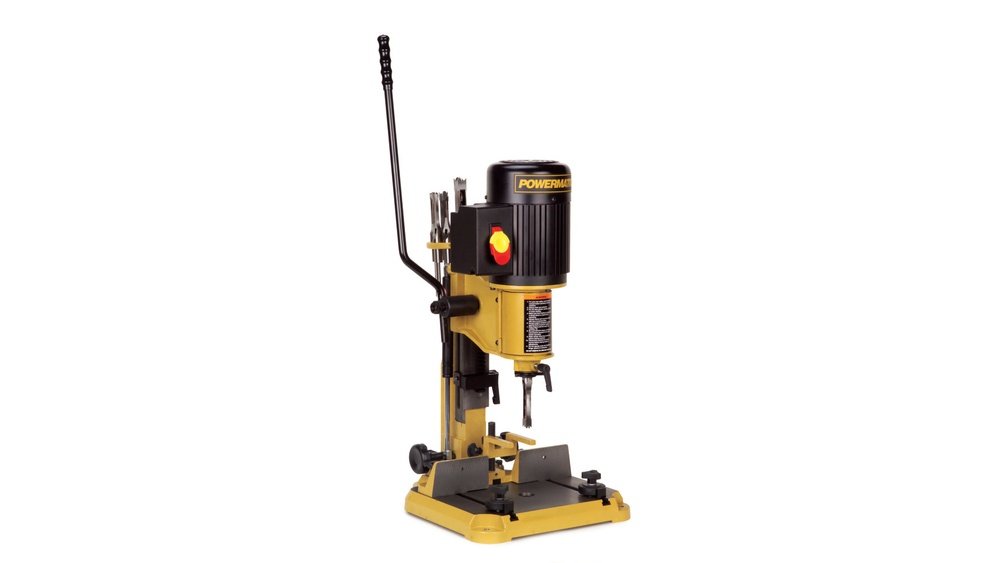
Are you ready to make your drilling projects faster and more precise? Learning how to preset a drill press can save you time and reduce mistakes.
Imagine setting up your drill press just once and getting perfect holes every single time. You’ll discover simple steps to preset your drill press like a pro. Whether you’re a beginner or looking to improve your skills, these tips will help you work smarter, not harder.
Keep reading to unlock the secret to effortless and accurate drilling!

Credit: www.woodcraft.com
Choosing The Right Drill Press
Choosing the right drill press is important for good results. The right tool makes work easier and more precise. This guide helps you pick the best drill press for your needs. It explains the types and key features to watch for. Knowing these will save time and money.
Types Of Drill Presses
There are several types of drill presses. Each type fits different tasks and spaces. A bench drill press is small and fits on a table. It works well for light jobs and small areas.
Floor drill presses are larger and stand on the floor. They are strong and good for heavy or frequent use. Radial drill presses have an arm that moves in many directions. They handle big pieces and odd shapes easily.
Key Features To Consider
Look for features that match your projects. Speed control is important. Different materials need different speeds. A good drill press has adjustable speed settings.
Check the size of the drill bit it can hold. Bigger bits are needed for larger holes. The table size matters too. A bigger table supports larger workpieces safely.
Also, consider the depth stop. This helps drill holes to the same depth every time. Safety features like a guard around the bit are important. They protect your hands during work.
Setting Up Your Drill Press
Setting up your drill press correctly is key to safe and accurate drilling. Proper setup helps you avoid mistakes and keeps your work steady. This section covers the main steps to prepare your drill press before starting any project.
Securing The Workpiece
Always secure the workpiece firmly to the drill press table. Use clamps or a vise to hold it in place. This stops the material from moving during drilling. Loose workpieces can cause errors and injury.
Adjusting The Table Height
Set the table height to match the drill bit length and workpiece size. Raise or lower the table so the drill bit reaches the material correctly. A well-adjusted table keeps drilling accurate and safe.
Aligning The Drill Bit
Check that the drill bit is centered over the mark on your workpiece. Turn the chuck by hand to align the bit precisely. Proper alignment ensures clean holes and reduces bit wear.
Adjusting Speed And Feed
Adjusting the speed and feed of a drill press is essential for clean and precise drilling. Setting these parameters correctly improves the tool’s efficiency and extends its life. This section explains how to choose the right speed and control the feed rate for different materials and drill bits.
Selecting The Correct Speed
Speed affects the quality and safety of your drilling. Use a slower speed for hard materials like metal. Softer materials like wood need faster speeds. Check the drill bit’s label for recommended speeds. Too fast can burn the bit or damage the material. Too slow may cause rough holes or bit wear.
Controlling Feed Rate
Feed rate means how fast you push the drill into the material. A steady, moderate feed prevents bit damage and overheating. Push too hard, and the bit may break or wear quickly. Push too slow, and the drill can overheat. Adjust feed based on material hardness and bit size. Listen and watch for smooth cutting without excessive force.

Credit: lagunatools.com
Using Preset Stops
Using preset stops on a drill press helps control the drilling depth. This tool feature makes your work faster and more accurate. It prevents drilling too deep or too shallow. You get consistent holes every time. This saves material and avoids mistakes.
Installing Depth Stops
Start by turning off the drill press. Find the depth stop collar on the drill press shaft. Loosen the set screw with an Allen wrench. Slide the collar to the desired drilling depth. Tighten the set screw firmly. This locks the collar in place. The drill bit will stop at this point during drilling. Make sure the collar does not move easily.
Calibrating For Consistent Drilling
Test the preset stop on a scrap piece of wood. Lower the drill bit until it touches the material. Check if the bit stops at the set depth. Adjust the collar position if needed. Repeat testing until the depth is exact. This step is key for uniform holes. It ensures the drill press works as planned every time.
Safety Tips For Precision Drilling
Precision drilling demands careful attention to safety. Setting up a drill press correctly reduces risks and improves results. Following safety tips protects you and your workpiece. Safety helps you focus on accurate drilling without distractions.
Protective Gear
Wear safety glasses to shield your eyes from flying debris. Use ear protection to avoid loud noise damage. Gloves protect your hands but avoid loose ones that can get caught. Tie back long hair and remove jewelry to prevent accidents. Dress in close-fitting clothes for extra safety.
Avoiding Common Mistakes
Never start the drill press without securing the workpiece firmly. Loose items can spin and cause injury. Check the drill bit for damage before use. Dull bits lead to poor results and can break. Always keep your hands away from the spinning bit. Turn off the machine before adjusting or changing bits. Maintain a clean workspace to prevent slips and trips.
Maintenance For Accuracy
Maintaining your drill press ensures it stays accurate and reliable. Regular care keeps the machine working smoothly. It prevents mistakes and extends the tool’s life.
Regular Cleaning
Dust and metal shavings build up quickly. Clean the drill press after every use. Wipe down the table, base, and spindle area. Use a brush to clear chips from tight spots. Avoid water; use a dry or lightly oiled cloth. Keeping the parts clean stops rust and wear.
Checking Alignment
Alignment affects drill precision. Check the table and spindle alignment often. Use a square or dial indicator for best results. Adjust the table tilt and height to match the drill bit. Make sure the spindle runs straight and true. Proper alignment reduces drill bit wobble and holes off-center.

Credit: toolstoday.com
Frequently Asked Questions
How Do You Set The Depth On A Drill Press?
To set the depth, adjust the depth stop collar on the quill. Lower the drill bit to the desired depth and tighten the collar. This prevents over-drilling and ensures consistent hole depth every time.
What Is The Best Speed For Drilling Metal?
Use slower speeds for metal drilling, typically between 500 to 1500 RPM. Adjust speed based on metal hardness and drill bit size for optimal results and longer bit life.
How To Align The Drill Bit Accurately On A Drill Press?
Center the bit over the mark using the drill press table and quill adjustments. Lower the bit slowly to check alignment before drilling to ensure precision.
Can I Use A Drill Press For Wood And Metal?
Yes, a drill press works well on wood and metal. Use appropriate drill bits and adjust speed settings based on the material for clean, accurate holes.
Conclusion
Presetting a drill press makes your work faster and more accurate. It helps avoid mistakes and saves material. Always check your settings before starting. Keep your drill press clean and well-maintained. Practice these steps to build confidence and skill. A well-set drill press improves every project’s outcome.
Small efforts lead to better results every time. Keep learning and enjoy your work with the drill press.
