


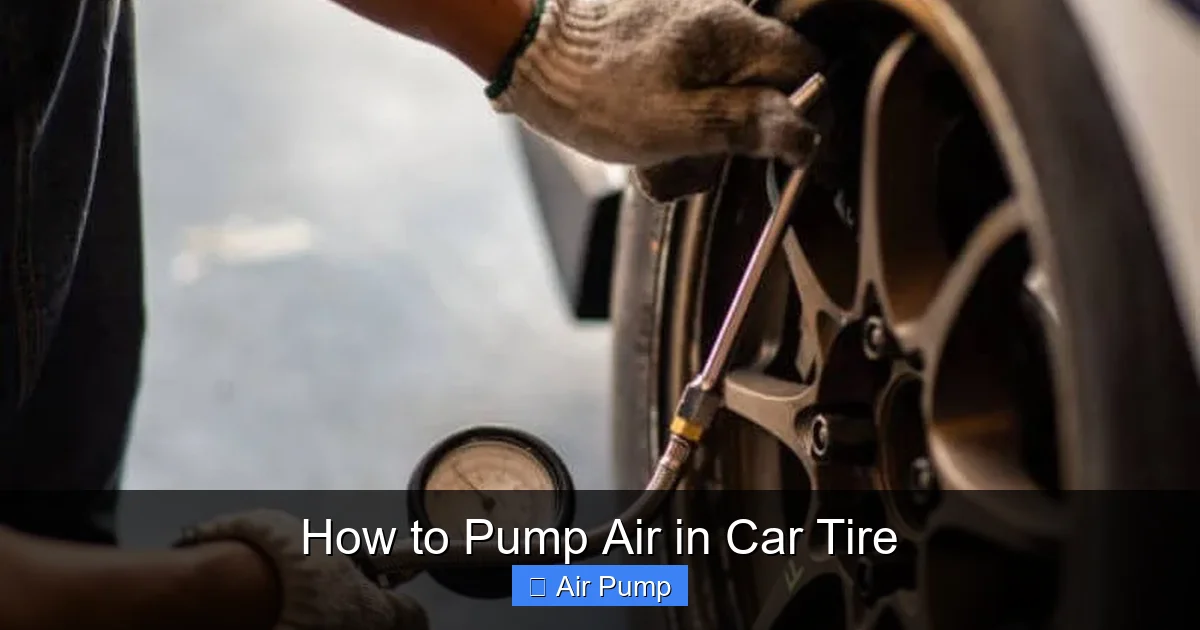
Knowing how to pump air in your car tire is essential for safe driving and fuel efficiency. This guide walks you through the process, from selecting the right tools to checking tire pressure, ensuring your tires are always properly inflated for optimal performance.
Key Takeaways
- Use the right pump: Choose between an air compressor or manual pump based on your needs and availability.
- Check tire pressure: Always know the recommended PSI for your vehicle before inflating.
- Secure the nozzle: Properly attach the pump nozzle to prevent air leaks during inflation.
- Inflate in stages: Add air gradually, checking the pressure frequently to avoid over-inflation.
- Maintain your equipment: Regularly inspect your pump and accessories for optimal performance.
- Safety first: Park your vehicle on a level surface and turn off the engine before inflating tires.
Introduction
If you own a car, knowing how to pump air in your tires is an essential skill. Properly inflated tires improve safety, fuel efficiency, and tire longevity. Whether you’re checking before a long trip or topping off after noticing a warning light, this guide will teach you step-by-step how to pump air in your car tire easily and safely.
Tools and Supplies You Need
Before you start, gather these essential items:
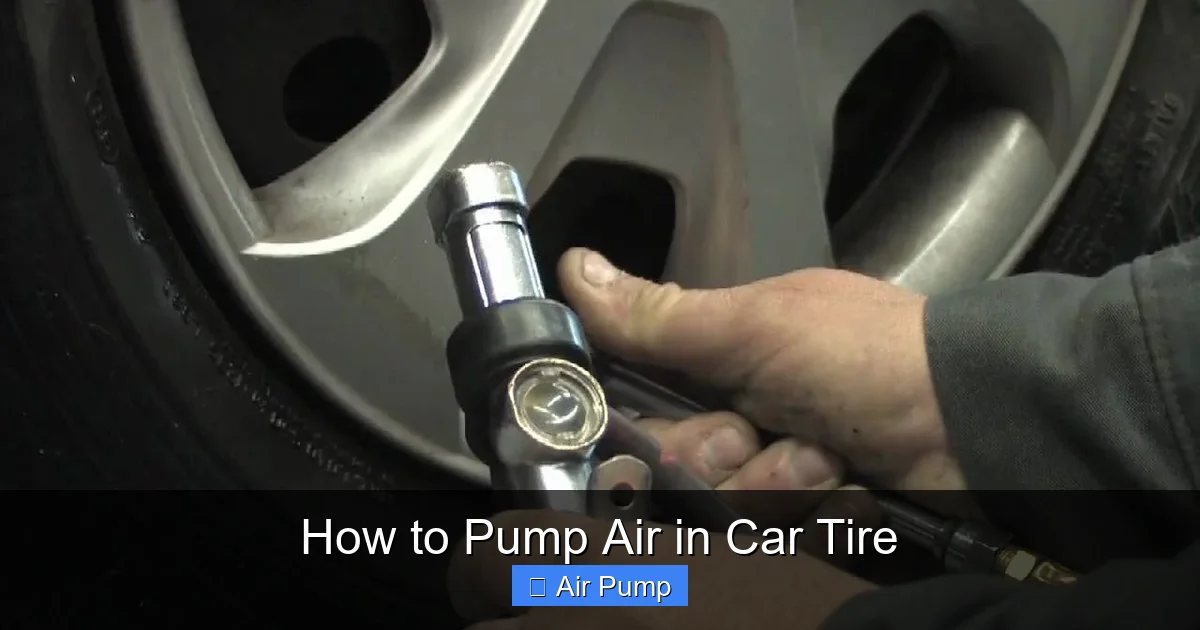
Visual guide about How to Pump Air in Car Tire
Image source: i.ytimg.com
- Air pump: Can be a portable electric air compressor, a gas station’s air pump, or a manual hand pump.
- Tire pressure gauge: To measure tire pressure accurately.
- Owner’s manual or tire placard: To find the recommended PSI for your vehicle.
- Valve core tool (optional): For removing or tightening the valve if needed.
Step-by-Step Guide to Pump Air in Your Car Tire
Step 1: Find a Safe and Suitable Location
Choose a flat, level surface away from traffic. Park your vehicle completely and turn off the engine. Engage the parking brake for added safety. Ensure there’s enough space around the tire for easy access to the valve stem.
Visual guide about How to Pump Air in Car Tire
Image source: topgradetire.com
Step 2: Check the Current Tire Pressure
Using your tire pressure gauge, remove the valve cap from the tire’s valve stem. Firmly press the gauge onto the valve, ensuring a tight seal to get an accurate reading. Compare this reading to the recommended PSI in your owner’s manual or on the tire placard.
Tip: Check all tires, including the spare, to ensure balanced pressure.
Step 3: Prepare Your Pump
If using an electric or gas station pump, plug it in or turn it on. Attach the nozzle to your pump if necessary. For manual pumps, ensure the pump is assembled correctly. Remove the valve cap from your tire if you haven’t already.
Step 4: Attach the Pump Nozzle to the Valve Stem
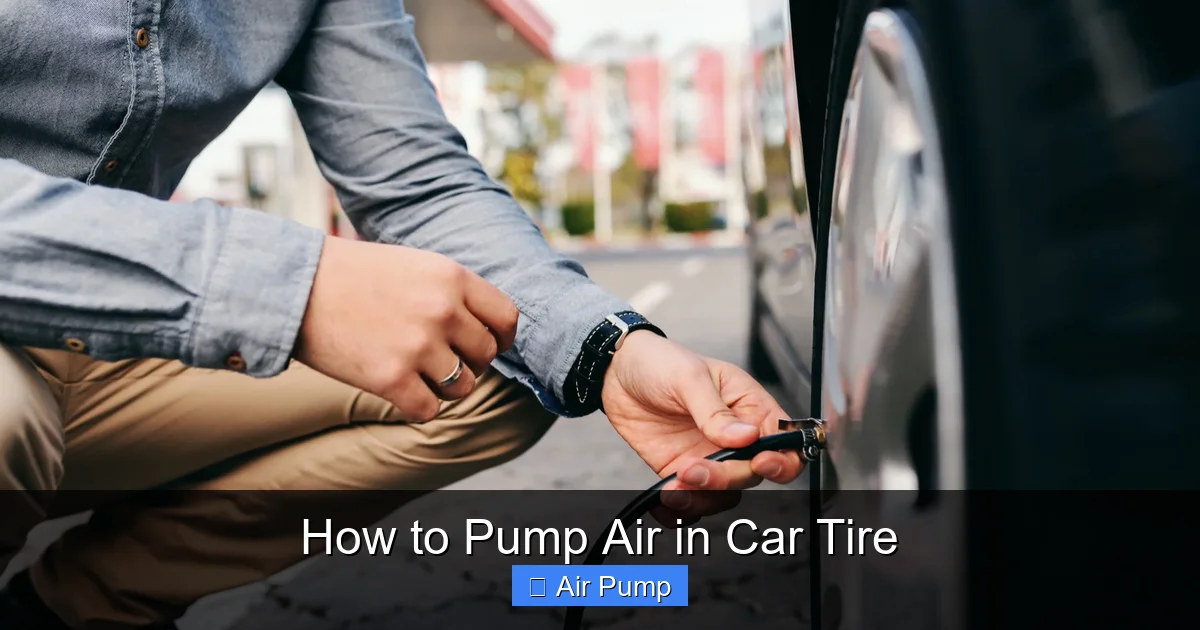
Align the pump nozzle with the tire’s valve stem. Push down firmly to create a secure seal. Some pumps have a lever or clip to lock the nozzle in place. Make sure it’s tightly connected to prevent air leaks during inflation.
Pro tip: If you hear a hissing sound, recheck the connection for a proper seal.
Step 5: Pump Air into the Tire
Start the pump. If using a manual pump, begin pumping steadily. For electric pumps, simply turn on the device. Keep an eye on the pressure gauge as you add air. Add air in small amounts to avoid over-inflation.
Note: It’s better to add a little air, check the pressure, then add more if needed.
Step 6: Check the Tire Pressure Frequently
Periodically remove the pump nozzle and check the pressure with your gauge. This helps you prevent over-inflation. Continue until the pressure reaches the recommended PSI.
Tip: Remember to reattach the nozzle securely each time you check the pressure.
Step 7: Final Inspection and Securing the Valve
Once the desired pressure is reached, remove the pump nozzle. Quickly screw the valve cap back onto the valve stem to prevent dirt and moisture from entering. Double-check the pressure to confirm accuracy.
Tip: Take a quick walk around the vehicle to ensure all tires are properly inflated and the valve caps are secure.
Practical Tips for Effective Tire Inflation
- Inflate in moderate weather: Avoid inflating tires when it’s extremely hot or cold, as temperature affects pressure.
- Use a reliable pressure gauge: Digital gauges provide more accuracy than analog ones.
- Regular checks: Make it a habit to check tire pressure monthly.
- Know your tire’s PSI: Over-inflation can be as dangerous as under-inflation; aim for the recommended PSI.
- Be cautious with over-inflation: If you accidentally overfill, release some air by pressing the valve stem with a small tool or the back of a pen.
Troubleshooting Common Issues
- Air leaks during inflation: Ensure the nozzle is tightly attached. Replace worn or damaged valve caps and check the hose for cracks.
- Inaccurate pressure readings: Calibrate your pressure gauge regularly and check for damage.
- Pump not working: For electric pumps, check power connections and circuit breakers. For manual pumps, ensure all parts are assembled correctly.
- Over-inflation: Release excess air slowly and recheck pressure before driving.
Conclusion
Keeping your tires properly inflated is vital for safety, fuel economy, and tire lifespan. With the right tools and a simple process, you can easily pump air into your car tires anytime. Regularly check your tire pressure and inflate as needed to keep your vehicle running smoothly and safely.
Final Tips
- Always use a quality tire pressure gauge for accurate readings.
- Check tire pressure when tires are cold, preferably in the morning.
- Replace worn valve caps to prevent dirt and moisture entry.
- Keep your air pump clean and in good condition for reliable performance.
