


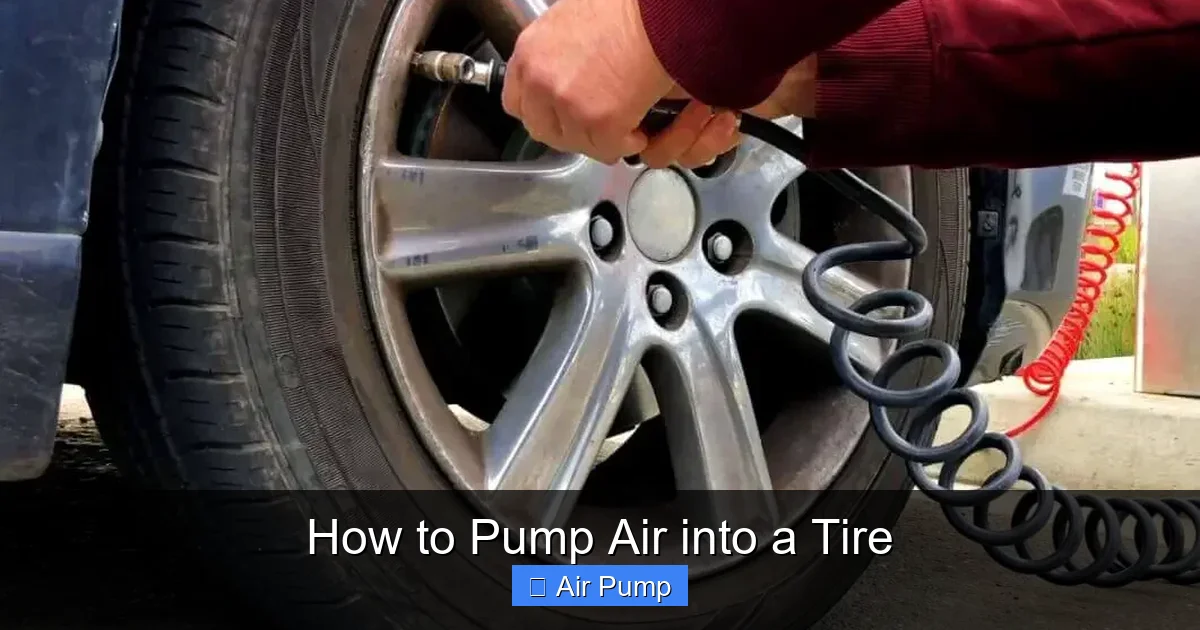
Pumping air into a tire is a simple task that keeps your vehicle running smoothly. In this guide, you’ll learn the essential steps, tools needed, and tips to ensure your tires are properly inflated for safety and efficiency. Whether you’re at home or on the road, mastering this skill is easy and essential.
Key Takeaways
- Choose the right pump: Use an air pump suitable for your tire type, whether manual, electric, or compressor.
- Check the recommended pressure: Find the correct PSI for your tire, usually printed on the tire sidewall or in your vehicle manual.
- Ensure a proper connection: Attach the pump securely to the valve stem to prevent air leaks.
- Inflate gradually: Add air in small amounts, checking pressure frequently to avoid over-inflation.
- Use a pressure gauge: Always measure the tire pressure with a reliable gauge for accuracy.
- Troubleshoot common issues: Learn how to handle leaks, stuck valves, or pump malfunctions effectively.
Introduction
Keeping your tires properly inflated is key to safe driving, better fuel efficiency, and longer tire life. Whether your tires are a car, bike, or motorcycle, knowing how to pump air into a tire is a handy skill. This guide will walk you through every step, from gathering tools to troubleshooting common problems, so you can confidently manage your tire inflation needs.
Tools and Supplies Needed
- Air pump: Manual pump, electric pump, or portable compressor.
- Pressure gauge: To measure tire pressure accurately.
- Valve cap remover: Optional, for removing valve caps if needed.
- Cleaning cloth: To wipe the valve stem if dirty.
Step 1: Know Your Tire’s Recommended PSI
Find the correct pressure
Before pumping, check the recommended PSI (pounds per square inch) for your tire. You can usually find this information:
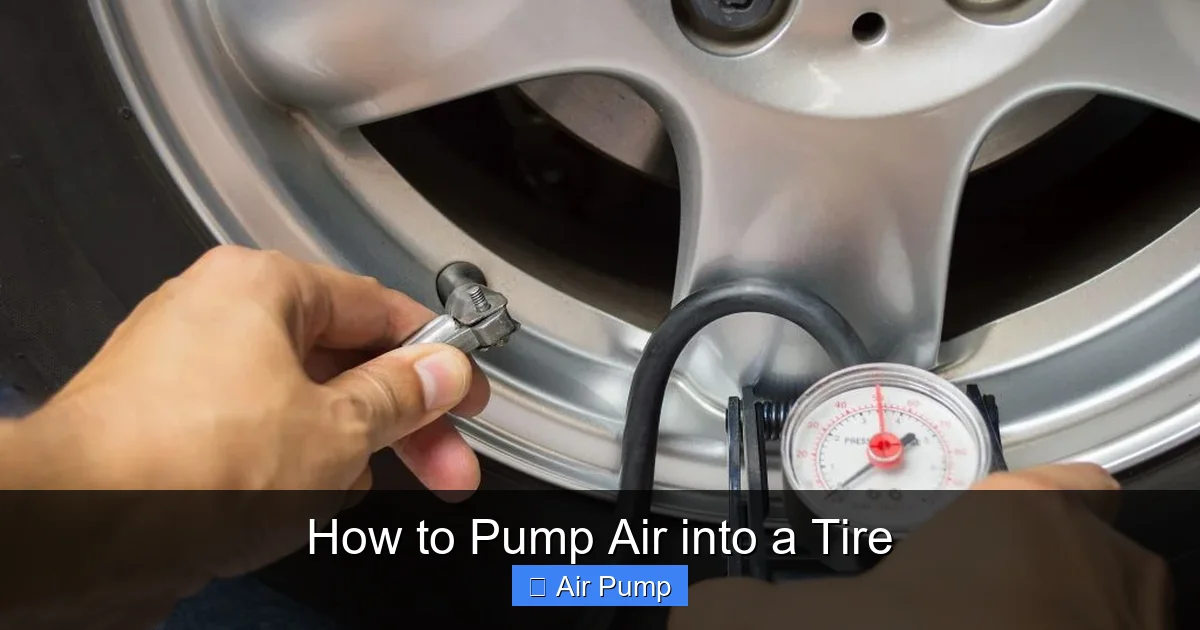
Visual guide about How to Pump Air into a Tire
Image source: crnavi.jp
- On the tire sidewall
- In your vehicle owner’s manual
- On a sticker inside the driver’s door jamb
Inflating your tire to the correct pressure ensures optimal performance and safety.
Step 2: Prepare Your Pump and Tire
Inspect and set up your tools
Ensure your air pump is in good condition and connected to a power source if needed. For manual pumps, check the hose and nozzle for damage. Remove the valve cap from the tire’s valve stem and keep it in a safe place—if it’s dirty or damaged, replace it.
Step 3: Connect the Pump to the Tire Valve
Attach securely for an airtight seal
Place the pump’s nozzle onto the tire’s valve stem. For Schrader valves (common on car tires), press down firmly to create a seal. You might hear a brief hissing sound—this is normal. Make sure the connection is tight to prevent air leaks.
Tip: For best results, hold the nozzle steadily to avoid losing pressure during inflation.
Step 4: Pump Air into the Tire
Start inflating gradually
Activate your pump—press the trigger, pedal, or switch off depending on your pump type. Add air slowly, especially if your pump is fast or powerful. Periodically stop to check the pressure with your gauge.
Use a pressure gauge during inflation
Attach the gauge to the valve stem after each burst of air to monitor the pressure. Adjust the airflow based on the reading. Avoid over-inflating; it’s better to add small amounts of air and check frequently.
Step 5: Check the Tire Pressure
Ensure accurate inflation
Once you’ve added enough air, remove the pump nozzle and immediately attach your pressure gauge to the valve stem. Read the pressure and compare it with the recommended PSI. If it’s too low, add more air; if too high, release some by pressing the valve core gently with a tool or your finger.
Step 6: Finalize and Secure the Valve Cap
Finish up properly
After reaching the correct pressure, remove the gauge and replace the valve cap. The cap protects the valve from dirt and debris, helping maintain proper function and preventing leaks.
Practical Tips for Effective Tire Inflation
- Inflate in a clean environment: Dirt or debris can clog the valve or cause leaks.
- Check pressure regularly: Tires naturally lose air over time, so check monthly.
- Don’t over-inflate: Over-inflated tires can lead to uneven wear and reduced traction.
- Use the right pump: For large tires or multiple tires, consider a portable compressor for efficiency.
- Keep a portable gauge handy: Always measure pressure before and after inflation for accuracy.
Troubleshooting Common Problems
Leak at the valve stem
If you notice persistent air loss, the valve stem might be damaged. Replace the valve core or consult a professional.
Unable to attach the pump securely
Ensure the nozzle fits the valve type. Some tires have Presta valves (on bikes) requiring special adapters.
Pump not working or no air flow
Check the power source, connection, or the pump’s internal components. For electric pumps, resetting or replacing batteries may help.
Over-inflation
Check pressure frequently during inflation. Use a reliable gauge and add air gradually.
Conclusion
Learning how to pump air into a tire is an essential skill that enhances safety and efficiency. With the right tools, a little patience, and attention to detail, you can keep your tires properly inflated anytime, anywhere. Remember to check your tire pressure regularly and maintain your pump for smooth operation. Properly inflated tires not only improve your vehicle’s performance but also extend the life of your tires, saving you money in the long run.
Final Tips
- Always double-check the PSI after inflating.
- Inspect your tires regularly for damage or uneven wear.
- Keep your air pump clean and in good working order for quick use when needed.
