


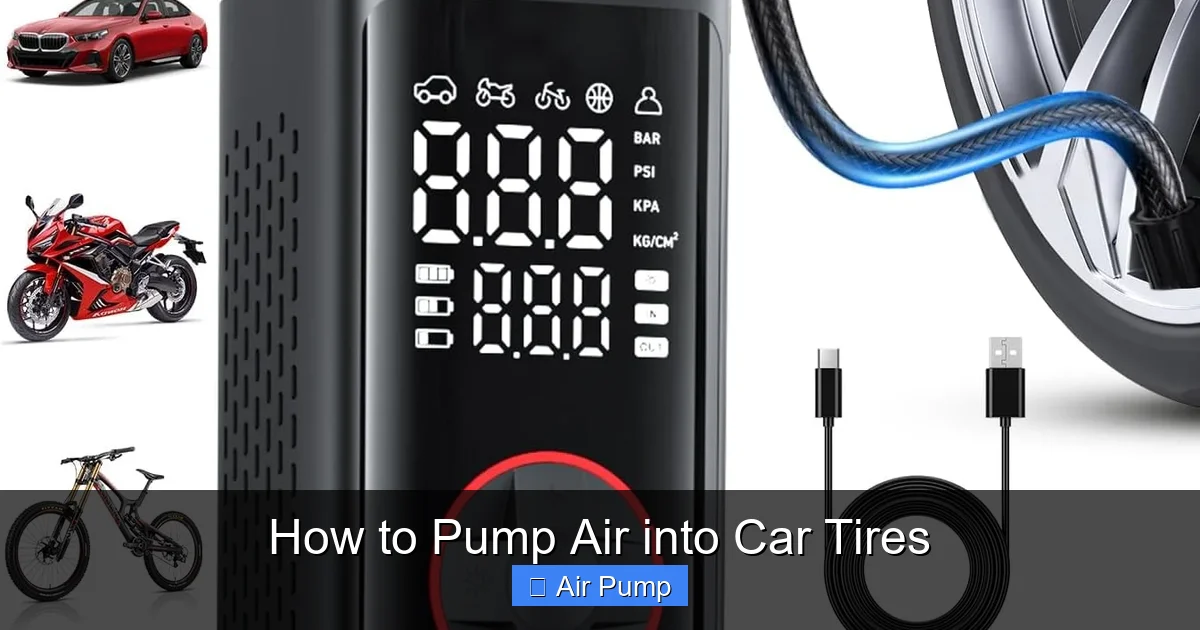
In this guide, you’ll learn how to pump air into car tires quickly and safely. We’ll cover everything from choosing the right pump to checking tire pressure, helping you maintain your vehicle effortlessly.
Key Takeaways
- Use the right equipment: Select an air pump suitable for car tires, such as a portable compressor or gas station pump.
- Check tire pressure: Always know the recommended PSI for your tires, usually found in the vehicle manual or on the door frame.
- Prepare the pump: Ensure the pump is working correctly and properly connected before inflating your tires.
- Attach the nozzle securely: Make sure the air hose nozzle fits tightly onto the tire valve to prevent leaks.
- Inflate gradually: Add air slowly and check the pressure frequently to avoid over-inflation.
- Recheck pressure: Always verify the tire pressure after inflating and adjust if necessary.
- Maintain your equipment: Keep your air pump clean and in good condition for reliable use.
Introduction
Maintaining proper tire pressure is essential for your vehicle’s safety, fuel efficiency, and overall performance. Knowing how to pump air into car tires correctly can save you time and money, especially when you’re on the road or preparing for a trip. Whether you’re using a portable air compressor, a gas station pump, or a manual pump, this guide will walk you through each step clearly and simply. By the end, you’ll be confident in inflating your tires properly and keeping them in top shape.
Gather Your Equipment
Choose the Right Air Pump
The first step is selecting an appropriate air pump. There are several options:
Visual guide about How to Pump Air into Car Tires
Image source: res.cloudinary.com
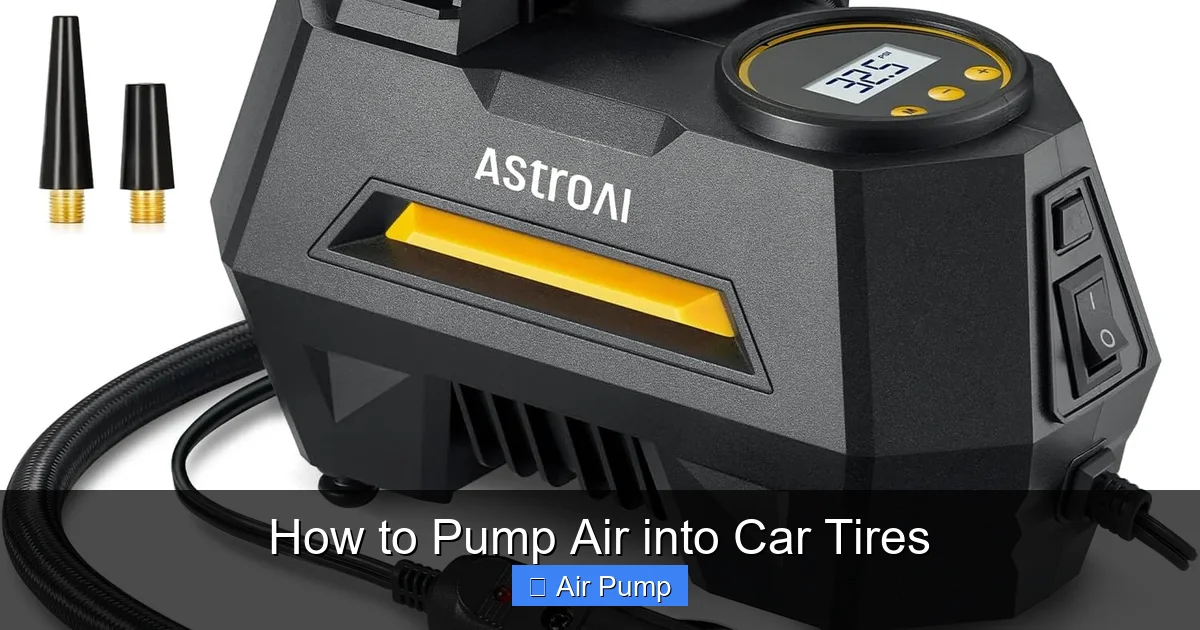
- Portable Electric Air Compressor: Compact, easy to use, perfect for home or on-the-go use.
- Gas Station Air Pump: Usually available at convenience stores or gas stations, often free or low-cost.
- Manual Pump: Hand or foot-operated, suitable for emergencies but slower.
For most car owners, a portable electric compressor offers the best mix of convenience and efficiency. Look for one with a built-in pressure gauge and an automatic shut-off feature.
Gather Additional Tools
- Tire Pressure Gauge: To measure the pressure before and after inflation.
- Valve Caps: Keep these in case you need to replace or reinstall them.
- Work Gloves: Optional, for better grip and protection.
Check the Recommended Tire Pressure
Find the Correct PSI
Before inflating, find the recommended tire pressure for your vehicle. This information is typically located:
Visual guide about How to Pump Air into Car Tires
Image source: m.media-amazon.com
- Inside the driver’s side door frame
- In the owner’s manual
- On a sticker near the fuel filler door
The recommended PSI varies by vehicle and tire type. It’s crucial to follow these guidelines for safety and efficiency.
Prepare Your Equipment
Inspect and Set Up Your Pump
Ensure your air pump is in good working condition:
- Check the power source (plug-in or battery charged).
- Verify that the hose and nozzle are clean and free of damage.
- Attach the power cord or turn on the device.
If using a gas station pump, make sure it’s functioning and that you have enough coins or card access.
Inflate Your Tire
Step-by-Step Inflation Process
- Remove the valve cap: Unscrew the cap from your tire’s valve stem and keep it in a safe place.
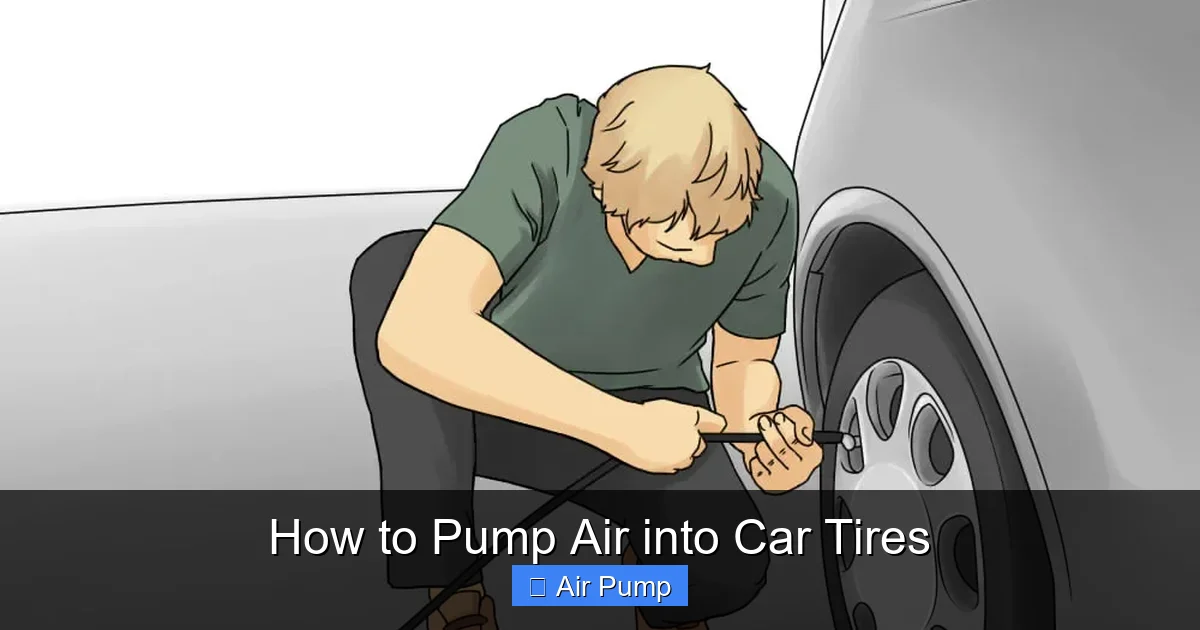
- Attach the nozzle: Fit the air pump nozzle tightly onto the valve stem. You should hear a slight hissing sound indicating a good seal.
- Start the pump: Turn on your portable pump or activate the gas station pump. For manual pumps, begin pumping steadily.
- Monitor the pressure: Keep an eye on the pressure gauge. Add air gradually, checking frequently.
- Stop at recommended PSI: Once the desired pressure is reached, turn off the pump.
- Detach the nozzle: Carefully remove the nozzle from the valve stem to prevent air loss.
- Replace the valve cap: Screw the cap back onto the valve stem securely.
Check and Adjust Pressure
After inflating, use your tire pressure gauge to verify the pressure. If it’s too low, add more air. If it’s too high, release some air by pressing the small valve pin inside the valve stem. Repeat the process until you reach the recommended PSI.
Practical Tips for Safe Tire Inflation
- Inflate when tires are cold: Warm tires can give false readings; wait at least 3 hours after driving.
- Use a reliable pressure gauge: Digital gauges are often more accurate than analog ones.
- Check all tires regularly: Proper inflation extends tire life and improves fuel economy.
- Don’t over-inflate: Too much air can cause uneven tire wear and increased risk of blowouts.
Troubleshooting Common Issues
Air Leak During Inflation
If you notice air escaping from the valve or connections, ensure the nozzle is fitted tightly. Check for damage or dirt on the valve stem and clean if necessary.
Pump Not Turning On
Verify the power source. For electric pumps, check the outlet or battery. For manual pumps, ensure you’re applying consistent force.
Incorrect Pressure Reading
Use a different, calibrated pressure gauge to double-check. Replace faulty gauges or consider a new pump if readings are consistently inaccurate.
Conclusion
Keeping your tires properly inflated is a simple but crucial part of vehicle maintenance. By following these step-by-step instructions, you can confidently pump air into your car tires, ensuring a safer, smoother ride. Regularly check your tire pressure and maintain your equipment for best results. Remember, proper tire inflation not only keeps you safe but also saves money on fuel and prolongs tire life.
Remember:
Always follow your vehicle manufacturer’s recommended PSI and inspect your tires regularly. Properly inflated tires are key to optimal driving performance.
