



In this guide, you’ll learn how to pump air into a tire efficiently and safely. Whether you’re inflating a bicycle, car, or motorcycle tire, follow these simple steps to ensure your tires are properly inflated for optimal performance and safety.
Key Takeaways
- Choose the right pump: Use an air pump compatible with your tire type for quick and effective inflation.
- Check the recommended pressure: Find the correct PSI for your tire, usually indicated on the sidewall or user manual.
- Prepare your equipment: Ensure the pump and nozzle are clean and in good condition before starting.
- Attach the pump securely: Connect the valve and pump tightly to prevent air leaks during inflation.
- Inflate gradually: Add air in small amounts, checking the pressure frequently to avoid overinflation.
- Troubleshoot common issues: Address leaks or equipment problems promptly for safe, proper tire inflation.
Introduction
Properly inflated tires are essential for safe driving, better fuel efficiency, and longer tire life. Whether you’re filling a bicycle, car, motorcycle, or even an inflatable, knowing how to pump air into a tire correctly is a useful skill. In this guide, we’ll walk you through each step, share handy tips, and help you troubleshoot common issues. By the end, you’ll be confident in inflating any tire safely and effectively.
Step 1: Gather the Right Equipment
Check your tire type
Identify the type of tire you need to inflate. Different tires may require specific pumps. For example:

Visual guide about How to Pump Air into Tire
Image source: i.ytimg.com
- Bicycle tires: Usually use a hand pump or a floor pump with a Presta or Schrader valve.
- Car tires: Typically use an air compressor or a portable electric pump.
- Motorcycle tires: Often require a high-pressure pump, similar to car tires.
Select the appropriate pump
Choose a pump based on your tire type:
- Hand pumps: Good for bicycles and small inflatables.
- Foot pumps or floor pumps: Ideal for bicycle tires and small inflatables.
- Electric air pumps: Best for cars, motorcycles, and frequent use.
- Air compressors: Suitable for large tires and high-volume inflation.
Ensure your pump has the correct nozzle or adapter for your tire’s valve type.
Step 2: Check the Recommended Tire Pressure
Locate the PSI recommendation
The optimal PSI (pounds per square inch) is usually printed on the sidewall of tires or in the vehicle’s manual. For bicycles, it’s often printed on the tire sidewall as well.
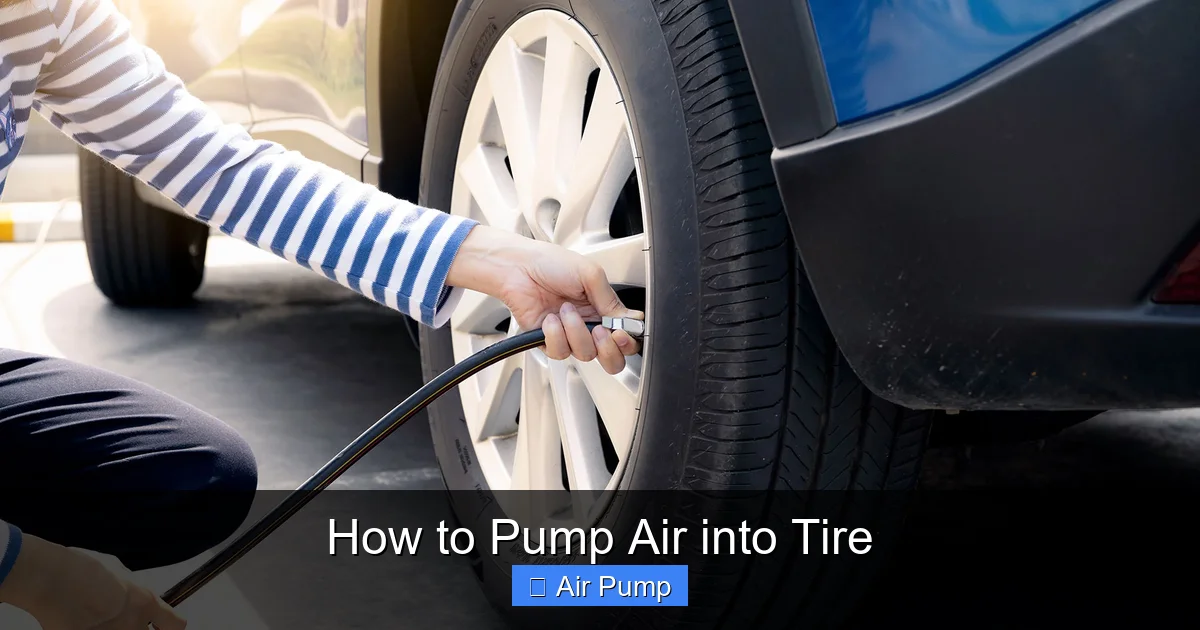
Visual guide about How to Pump Air into Tire
Image source: ebaymotorsblog.com
Maintaining the correct pressure improves safety and efficiency. Overinflated tires can burst or cause a rough ride, while underinflated tires wear out faster and reduce handling.
Step 3: Prepare Your Equipment
Inspect the pump and accessories
Check that your pump is clean, free of dirt or debris, and the hose or nozzle isn’t damaged.
Connect the nozzle or adapter
Most pumps come with different nozzles. Select the right one for your tire valve:
- Schrader valve: Common on car tires and some bicycles.
- Presta valve: Found on many high-end bicycles.
Attach the nozzle securely to prevent leaks during inflation.
Step 4: Attach the Pump to the Tire Valve
Position the nozzle
Align the nozzle with the tire valve. For Schrader valves, press the nozzle straight onto the valve stem. For Presta valves, unscrew the small top cap first, then press the nozzle onto the valve.
Secure the connection
Lock the pump onto the valve, if your pump has a locking mechanism. Make sure it’s tight to prevent air from escaping during inflation.
Step 5: Begin Pumping
Inflate gradually
Start pumping slowly. Check the pressure often using a built-in gauge or a separate pressure gauge. This helps prevent overinflation.
Monitor the pressure
Stop periodically to check the pressure. Use a reliable tire pressure gauge for accuracy. When you reach the recommended PSI, stop pumping.
Use consistent effort
Maintain steady pressure to ensure even inflation. If your pump has a pressure release valve, use it to fine-tune the pressure if necessary.
Step 6: Detach and Final Checks
Remove the pump
Once the tire is at the correct pressure, carefully detach the nozzle from the valve. Quickly replace the valve cap to prevent dirt and debris from entering.
Inspect the tire
Check for any hissing sounds indicating leaks. If you hear a leak, reattach the nozzle and ensure the connection is tight. If the leak persists, inspect the valve or consider replacing it.
Practical Tips for Successful Tire Inflation
- Inflate in a clean environment: Dirt and debris can damage valves or cause leaks.
- Use a quality pressure gauge: Always verify pressure with a reliable gauge, especially if your pump doesn’t have a built-in gauge.
- Don’t overinflate: Remember, overinflation can be dangerous. Always stick to the recommended PSI.
- Regular maintenance: Check your tires regularly and keep valves clean and functioning properly.
Troubleshooting Common Issues
Air won’t enter the tire
Ensure the nozzle is securely attached. Check if the valve is damaged or stuck. Try using a different nozzle if available.
Pressure gauge shows inconsistent readings
Use a separate, reliable pressure gauge to double-check. Replace faulty gauges or pumps as needed.
Valve leaks air after inflating
Replace the valve core if it’s damaged. Ensure the valve cap is tightly secured.
Pump is not working
Check the power source or manual operation. For electric pumps, ensure they are plugged in and charged.
Conclusion
Knowing how to pump air into a tire correctly is a vital skill that can save you time, money, and ensure your safety. By choosing the right equipment, checking the correct pressure, and following proper procedures, you’ll keep your tires in top condition. Regularly maintaining proper tire pressure enhances your vehicle’s performance and prolongs tire life. So, next time your tires need air, remember these simple steps and enjoy smooth, safe rides!
