


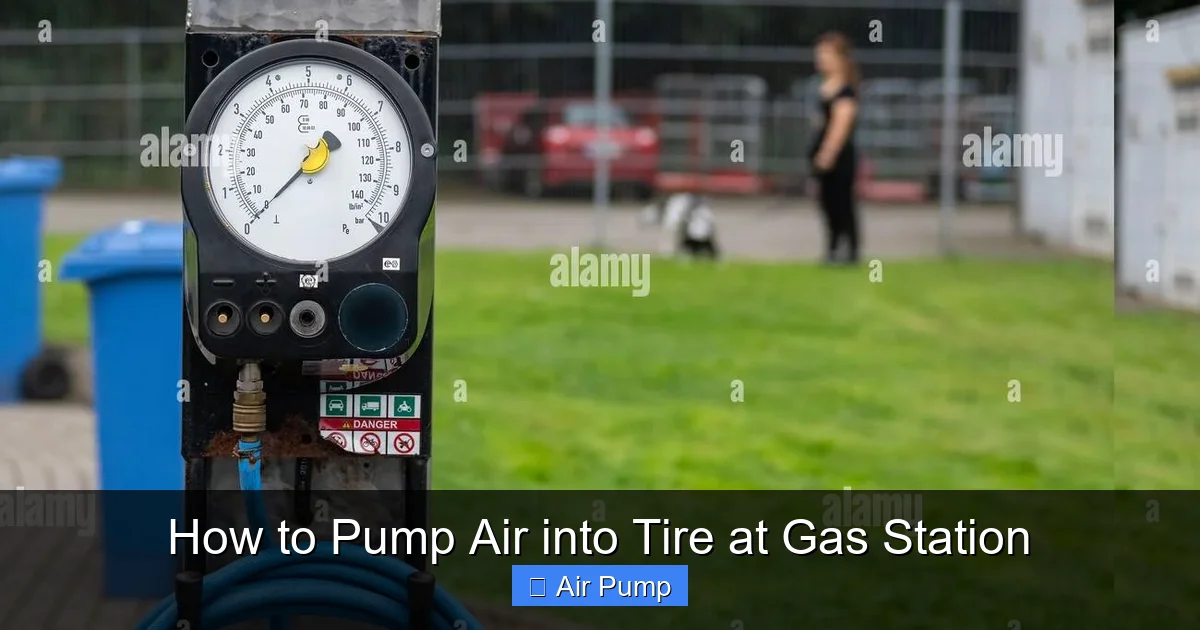
Pumping air into your car tire at a gas station is simple once you know the steps. This guide will walk you through the process, from preparing your vehicle to checking the tire pressure. Properly inflated tires improve safety, fuel economy, and tire lifespan.
Key Takeaways
- Check your tire pressure: Use a tire pressure gauge to know the recommended psi for your vehicle.
- Locate the air pump: Find the air pump at the gas station, often near the fuel pumps or in a dedicated air station area.
- Attach the air hose: Properly connect the pump’s nozzle to your tire valve for a secure fit.
- Inflate your tire: Pump air until you reach the recommended pressure, checking with a gauge as you go.
- Remove the nozzle and check: Detach the nozzle and verify the pressure with a gauge to ensure accuracy.
- Repeat if necessary: Repeat the process for all tires that need air, and regularly check tire pressure for safety.
Introduction
If your car’s tires are underinflated, it can affect your safety, fuel efficiency, and tire longevity. Luckily, pumping air into your tires at a gas station is a straightforward task that anyone can do. Whether you’re preparing for a long trip or just want to keep your vehicle in top shape, knowing how to properly use the air pump is essential. This guide will walk you through every step, from locating the pump to checking your tire pressure, so you can confidently maintain your tires whenever needed.
Step 1: Prepare Your Vehicle and Gather Tools
Check Your Tire Pressure
Before heading to the gas station, find out the recommended tire pressure for your vehicle. This information is usually found on a sticker inside the driver’s door frame or in your owner’s manual. The typical range for passenger cars is between 30-35 psi. Knowing this helps you know when your tire is properly inflated.
Visual guide about How to Pump Air into Tire at Gas Station
Image source: sheknows.com
Gather Necessary Tools
- Tire pressure gauge: Some gas stations have built-in gauges, but it’s good to have your own for more accuracy.
- Access to the gas station’s air pump: Usually located near the fuel pumps or in a dedicated station area.
- Optional: Gloves or cloth to keep your hands clean, especially in cold weather.
Step 2: Locate the Air Pump at the Gas Station
Find the Air Station
Most gas stations have an air pump station. It’s often marked with signs or icons showing a tire and air symbol. It could be a standalone unit or part of a larger service area. Look for a coin or card-operated machine, or a free air station—many stations now offer free air.
Inspect the Equipment
Before using the pump, check if it appears clean and in working order. Some stations have a digital display, while others might have a manual gauge. Make sure the hose is attached securely and that no damage is visible.
Step 3: Attach the Air Hose to Your Tire Valve
Remove the Valve Cap
Unscrew the small cap on your tire’s valve stem. Store it safely in your pocket or glove compartment. The valve stem is a small rubber or metal tube sticking out of your tire.
Connect the Nozzle
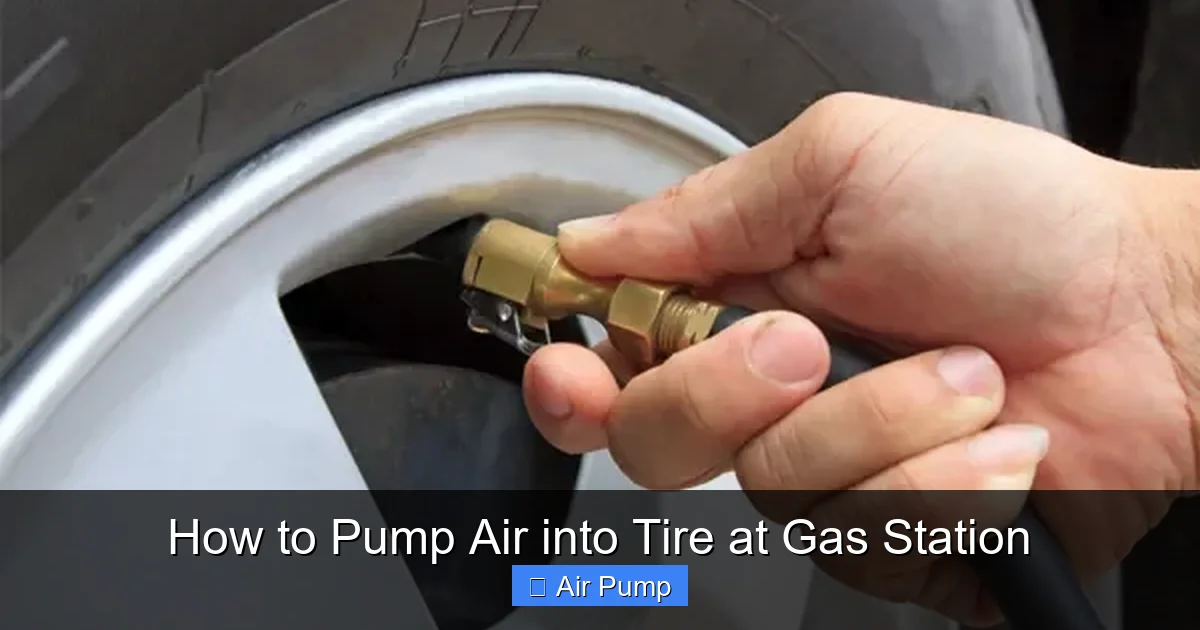
Pick up the air hose nozzle from the pump. Push it firmly onto the valve stem, ensuring it is tightly attached. Many nozzles have a lever or screw mechanism to lock it in place. If so, engage the lock to prevent air leaks during inflation.
Check for Secure Fit
Gently tug on the nozzle to ensure it’s snug. A secure connection prevents air from escaping and ensures accurate inflation.
Step 4: Pump Air into Your Tire
Start the Pump
Activate the pump according to the station’s instructions. This might involve pressing a button, inserting a coin, or swiping a card. Some stations have digital controls, others are manual or push-button operated.
Monitor the Pressure
Use your tire pressure gauge to check the pressure periodically. Many air pumps have built-in gauges, but they can sometimes be inaccurate. For best results, use your own gauge to verify the pressure.
Inflate to the Recommended PSI
Continue adding air until your gauge indicates the correct pressure. Be cautious not to overinflate, as this can cause tire damage. If you overinflate, release some air by pressing the small pin in the valve stem or by deflating slightly with a tool or the pump’s release valve.
Practical Tip
If the pump doesn’t automatically shut off, keep an eye on the gauge and stop when you reach the recommended pressure. Some pumps have an automatic shutoff feature—use it if available.
Step 5: Detach the Nozzle and Check Pressure
Remove the Nozzle
Once your tire reaches the correct pressure, carefully detach the nozzle from the valve stem. Be prepared for a small rush of air as you do this.
Reattach the Valve Cap
Screw the small cap back onto the valve stem. This helps keep dirt and debris out and maintains the integrity of the valve.
Verify the Pressure
Use your tire pressure gauge to double-check the pressure. If it’s not at the recommended level, add or release air as needed.
Step 6: Repeat for Other Tires and Final Checks
Inflate All Tires
Repeat the process for all four tires, including the spare if you have one. Proper inflation of all tires ensures balanced handling and safety.
Regular Maintenance
Make it a habit to check your tire pressure at least once a month and before long trips. Properly inflated tires save money, extend tire life, and improve safety.
Troubleshooting Common Issues
- Air pump not working: Try another pump or visit a different station. Some pumps may be out of order.
- Hose doesn’t stay attached: Ensure you are locking the nozzle properly and that the valve stem is clean and free of debris.
- Overinflation: Use your own gauge to verify pressure and release excess air if needed.
- Difficulty reading the gauge: Calibrate your own gauge regularly for accuracy.
Conclusion
Keeping your tires properly inflated is essential for safety, fuel economy, and tire longevity. Pumping air at a gas station is a quick and easy process once you know the steps. Remember to check your tire pressure regularly, carry a reliable gauge, and follow these simple instructions to maintain optimal tire condition. Safe driving starts with properly inflated tires!
