


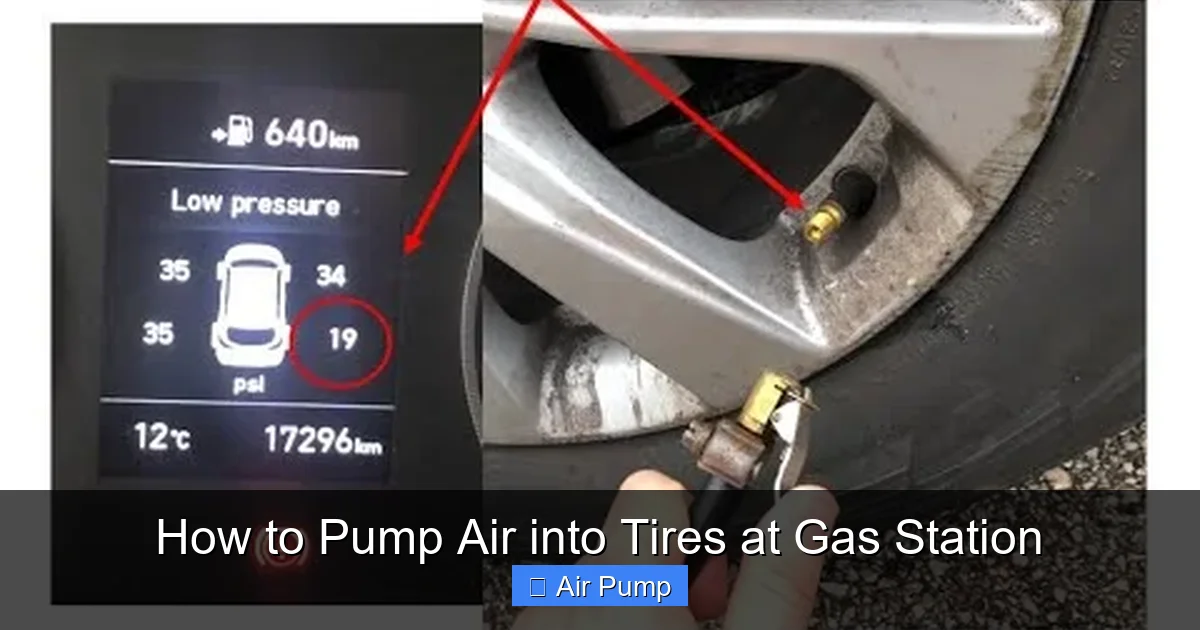
Pumping air into your tires at a gas station is simple once you know the steps. This guide walks you through the process, from preparing your vehicle to checking the pressure, ensuring your tires are properly inflated for safe driving and better fuel efficiency.
Key Takeaways
- Check your tire pressure: Always know the recommended PSI for your tires before inflating.
- Use the right equipment: Most gas stations have air pumps; familiarize yourself with their operation.
- Attach the air hose securely: Properly connect the nozzle to avoid air leaks.
- Monitor the pressure: Use the gauge on the air pump or a separate gauge to ensure accurate inflation.
- Inflate gradually: Add air in small amounts, checking pressure frequently.
- Finish with a check: Confirm all tires are within the recommended PSI before driving.
- Maintain your air pump: Ensure the equipment is working correctly for future use.
Introduction
Maintaining proper tire pressure is crucial for safe driving, fuel efficiency, and tire longevity. Gas stations often have air pumps that make it easy to inflate your tires anytime. If you’re unsure how to use these pumps, don’t worry—this guide will walk you through each step. By the end, you’ll know exactly how to pump air into your tires at a gas station quickly and safely.
Step 1: Prepare Your Vehicle and Gather Tools
Check Your Tire Pressure
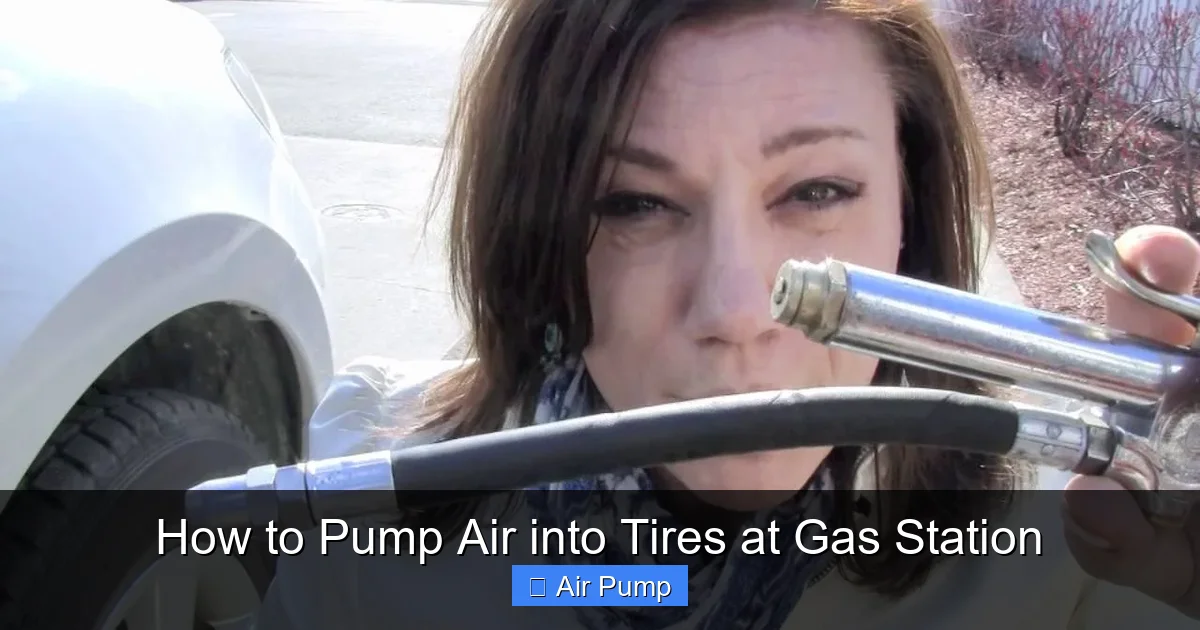
Before heading to the gas station, check your vehicle’s recommended tire pressure. You can find this information in your owner’s manual or on a sticker inside the driver’s side door. Usually, the pressure is listed in PSI (pounds per square inch).
Visual guide about How to Pump Air into Tires at Gas Station
Image source: i.ytimg.com
Use a reliable tire pressure gauge to check your current tire pressure. This helps you know how much air you need to add and prevents over-inflating.
Gather Necessary Items
- Tire pressure gauge: Optional, but useful for precise measurements.
- Access to a gas station with an air pump: Most stations have these, but check beforehand.
- Optional: Gloves or a cloth for grip and cleanliness.
Step 2: Park and Position Your Vehicle
Park Near the Air Pump
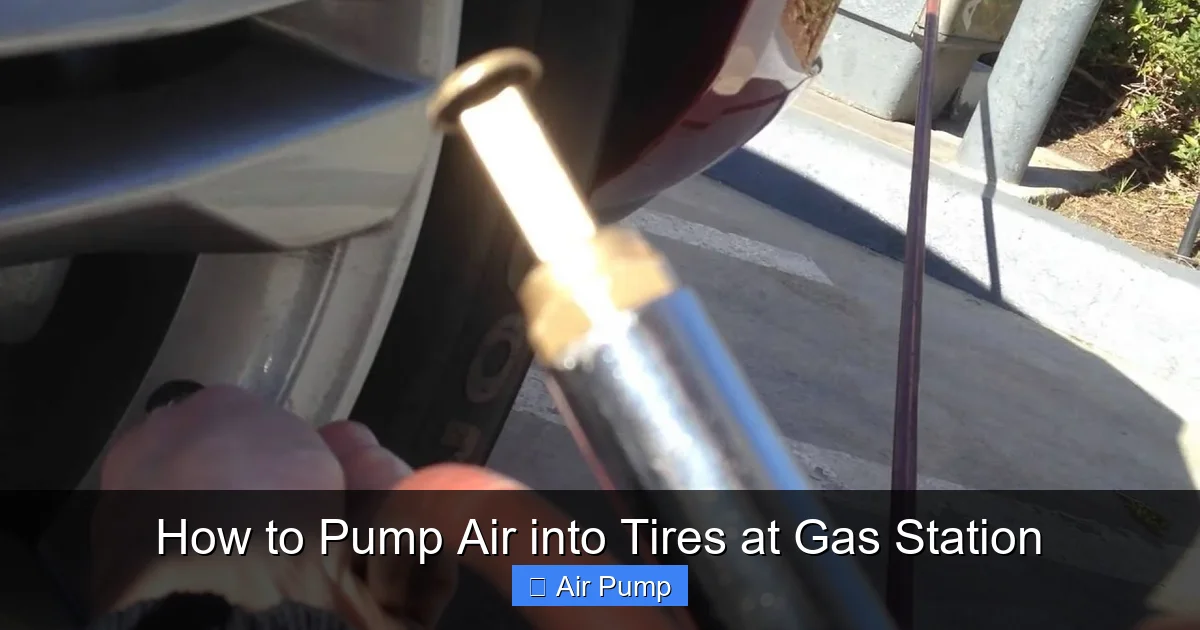
Find a station with a working air pump. Park your vehicle close enough so you can easily reach all four tires with the air hose. Make sure your car is on a flat surface and the parking brake is engaged.
Visual guide about How to Pump Air into Tires at Gas Station
Image source: i.ytimg.com
Turn Off Your Engine
Switch off your engine to prevent any accidents while you’re inflating the tires. Engage the parking brake for added safety.
Step 3: Locate and Prepare the Air Pump
Find the Air Pump Station
Most gas stations have multiple air pumps. They are usually situated near the fuel pumps or on the side of the station. Look for a sign or a clear area with hoses and pressure gauges.
Inspect the Equipment
Check that the air pump is working. Some stations have digital displays indicating if the pump is available or out of service. Also, examine the hose and nozzle for any damage or leaks.
Step 4: Connect the Air Hose to Your Tire
Remove Valve Cap
Screw off the valve cap from the tire’s valve stem. Keep it in a safe place for reattachment later.
Attach the Nozzle
Take the air pump nozzle and firmly press it onto the valve stem. Some nozzles may have a lever or clip—use it to secure the connection. Make sure it’s tight to prevent air leaks during inflation.
Step 5: Inflate the Tire
Start the Pump
Activate the air pump, either by pressing a button, turning a knob, or inserting a coin if the pump is operated manually. Many modern pumps start automatically once connected.
Monitor the Pressure
Check the pressure gauge on the pump or use your own tire gauge to monitor the pressure as you add air. Add air gradually, pausing every few seconds to check the pressure. This prevents over-inflation.
Inflate to the Recommended PSI
Keep inflating until the tire reaches the recommended PSI. Be cautious not to exceed this value, as over-inflated tires can be dangerous.
Step 6: Detach and Seal the Valve
Remove the Nozzle
Once your tire is properly inflated, carefully detach the nozzle from the valve stem. Immediately replace the valve cap to keep dirt and debris out.
Repeat for All Tires
Repeat the process for each tire, ensuring all are inflated to the recommended pressure. Don’t forget the spare tire if your vehicle has one.
Step 7: Final Check and Clean Up
Verify All Tires
Use your tire pressure gauge to double-check each tire. Confirm that all tires are at the proper PSI for optimal safety and performance.
Clean Up
Put back the valve caps, tidy up the station area, and ensure the equipment is left in good condition for the next user.
Practical Tips and Troubleshooting
- If the pump is not working: Try another station or check if the pump needs coins or card payment. Some newer pumps are digital and accept credit/debit cards directly.
- Over-inflation: Always check the pressure frequently to avoid exceeding the recommended PSI.
- Leakage during connection: Ensure the nozzle is tightly attached. Re-seat if you hear hissing sounds.
- Low pressure readings: Confirm your tire gauge’s accuracy. Replace if faulty.
Conclusion
Inflating your tires at a gas station is a straightforward process that can greatly improve your vehicle’s safety, efficiency, and tire lifespan. By following these simple steps—checking your tire pressure, properly connecting the air hose, and monitoring the pressure—you’ll master the art of tire inflation in no time. Regularly maintaining your tires ensures a smoother ride and peace of mind on the road.
Remember:
Always keep an eye on your tire pressure and use quality equipment. Properly inflated tires are essential for safe, economical driving. Next time you visit a gas station, you’ll be confident in knowing exactly how to pump air into your tires!
