



Pumping up an air bed is simple once you know the right techniques. In this guide, you’ll learn how to use different pumps, prepare your air bed, and troubleshoot common issues for a perfect setup every time. Get ready to enjoy a comfy bed in minutes!
Key Takeaways
- Use the right pump: Choose between manual or electric pumps based on your needs for faster inflation.
- Prepare your air bed: Ensure the valve is clean and properly sealed before pumping to prevent leaks.
- Follow step-by-step instructions: Inflate gradually, check firmness, and adjust as needed for comfort.
- Check for leaks: Listen for hissing sounds or use soap and water to find leaks after inflation.
- Store properly: Deflate and roll up the air bed correctly to prolong its lifespan.
- Troubleshoot common issues: Learn how to fix slow leaks or valve problems quickly.
Introduction
There’s nothing quite like the comfort of an air bed for camping, guest accommodations, or unexpected sleepovers. But before you can enjoy that plush feeling, you need to know how to pump up your air bed properly. Whether you’re using a manual hand pump or an electric air pump, this guide will walk you through each step. You’ll learn how to prepare your air bed, choose the right pump, inflate it efficiently, and troubleshoot common problems. By the end, you’ll be able to set up your air bed quickly and confidently, ensuring a good night’s sleep every time.
Choosing the Right Pump
Manual Pumps
Manual pumps are affordable and portable. They typically come with a hand or foot pump that requires physical effort. They’re great for camping or occasional use. However, inflating large air beds can take some time and effort.

Visual guide about How to Pump Up an Air Bed
Image source: i.ytimg.com
Electric Pumps
Electric pumps are faster and more convenient. They come in different types: plug into a wall outlet, car cigarette lighter, or rechargeable battery-powered models. For frequent use or large beds, an electric pump is usually the best choice.
Battery vs. Electric Powered
Battery-powered pumps are portable but may have limited run time. Electric pumps connected to mains power are more powerful and faster. Choose based on your needs and where you’ll be inflating the air bed.
Preparing Your Air Bed
Check the Valve
Inspect the valve for dirt or damage. Clean it gently with a damp cloth if needed. Make sure the valve opens and closes smoothly.
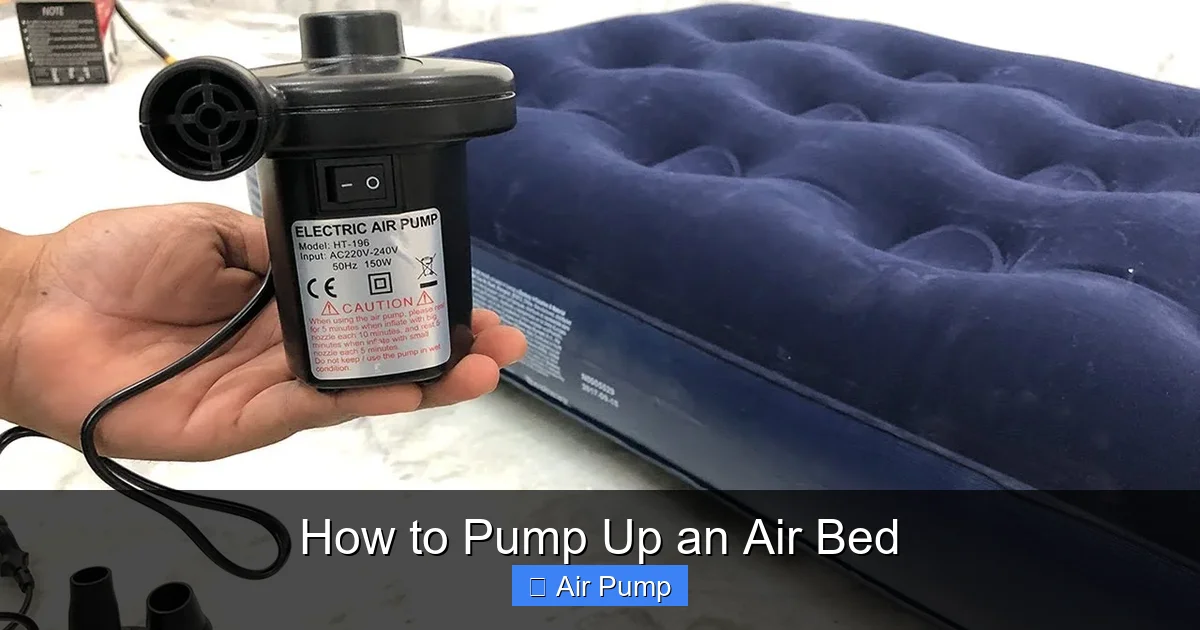
Visual guide about How to Pump Up an Air Bed
Image source: i.ytimg.com
Locate the Valve
Identify where the valve is on your air bed. Most beds have a built-in valve or an inflation port. Familiarize yourself with how it opens and seals.
Deflate if Necessary
If your bed is already inflated, release some air if it’s overinflated. This makes it easier to inflate to your desired firmness.
Inflating Your Air Bed Step-by-Step
Step 1: Attach the Pump
Connect the pump nozzle to the valve. Ensure a snug fit to prevent air leaks. For manual pumps, hold the nozzle firmly; for electric pumps, secure the connection.
Step 2: Start Pumping
Activate the pump. If using a manual pump, use steady, consistent strokes. For electric pumps, turn it on and let it do the work. Keep an eye on the bed’s firmness as you go.
Step 3: Check the Firmness
Stop inflating periodically to check the firmness. Press gently on the surface; it should be firm but not hard. Over-inflation can damage the bed, so aim for a comfortable firmness.
Step 4: Remove the Pump
Once inflated to your desired level, detach the pump carefully. Quickly close the valve to prevent air from escaping.
Ensuring Proper Inflation
To get the perfect firmness:
- Inflate gradually to avoid overpressure.
- Adjust the valve if your bed has a control valve to fine-tune firmness.
- Test the firmness by lying on the bed; it should feel supportive but comfortable.
Common Troubleshooting Tips
Slow or No Inflation
If your air bed isn’t inflating well, check the pump connection. Make sure the valve is fully open and the nozzle is sealed tightly. Replace or recharge batteries if using a battery pump.
Leaks or Air Loss
Listen for hissing sounds or apply a soap solution to the valve and seams. Bubbles indicate leaks. Seal minor leaks with repair patches or contact the manufacturer for assistance.
Valve Issues
If the valve is damaged or stuck, try gently cleaning or replacing it. Avoid forcing it open or closed to prevent further damage.
Deflating and Storing Your Air Bed
How to Deflate
Open the valve fully and gently press or roll the bed to release air. For faster deflation, use the pump in reverse if it has that feature.
Proper Storage
Once deflated, fold or roll the air bed loosely. Store it in a cool, dry place away from direct sunlight. Avoid folding it sharply to prevent damage.
Conclusion
Knowing how to pump up an air bed correctly makes setup quick and easy. Whether you’re preparing for guests, camping, or a sleepover, choosing the right pump, preparing your bed, and following proper inflation steps will give you a comfortable and durable air bed. Don’t forget to troubleshoot common issues and store your bed properly to keep it in great shape for years to come. Happy sleeping!
