


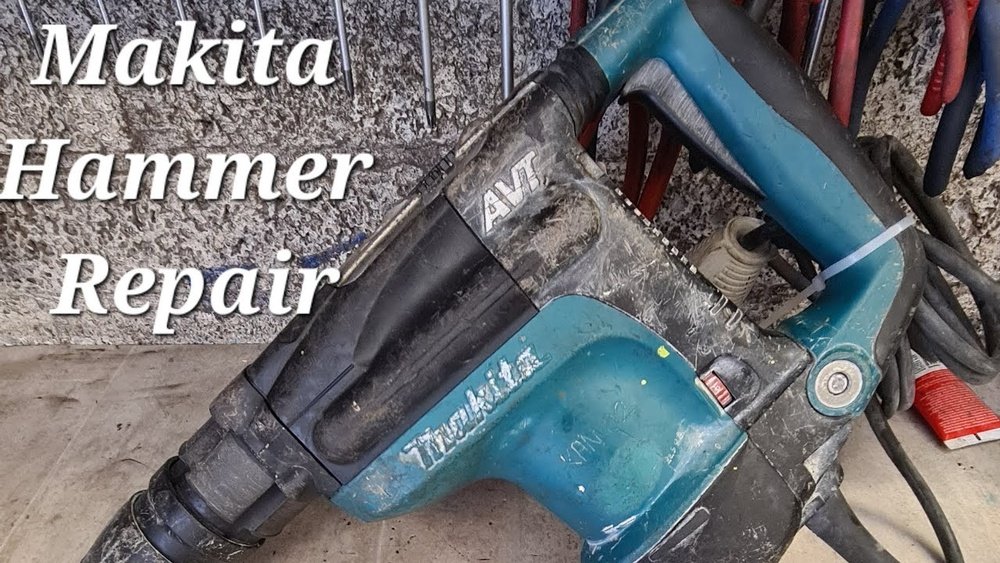
Is your Makita hammer drill acting up just when you need it most? You don’t have to toss it aside or rush out to buy a new one.
Imagine saving time and money by fixing it yourself. In this guide, you’ll learn simple, clear steps to repair your Makita hammer drill quickly and safely. Whether it won’t start, is making strange noises, or isn’t hammering properly, you can get it back to work without stress.
Ready to take control and bring your drill back to life? Let’s dive in.

Credit: www.makitatools.com
Common Issues With Makita Hammer Drills
Makita hammer drills are popular for their power and durability. Still, they face common problems during use. Understanding these issues helps in fixing them fast. This saves time and money. Below are some frequent problems with Makita hammer drills.
Power Problems
Power issues can stop your drill from working. Sometimes, the drill won’t start at all. This can happen if the battery is dead or not connected well. Check the battery charge and connections. Power cords can also wear out or break. Inspect the cord for cuts or damage. Replace if needed.
Drill Not Rotating
The drill might run but not spin the bit. This usually means a mechanical fault inside. The clutch could be stuck or broken. Gear problems can also block rotation. Dirt and debris inside the drill cause jams. Cleaning and checking parts helps solve this problem. Replace damaged parts to restore function.
Unusual Noises
Strange sounds from the drill warn of trouble. Grinding or squealing noises mean worn gears or bearings. Loose parts can rattle during use. Lubricate moving parts to reduce noise. Tighten screws and bolts. If noise stays, parts may need replacement.
Overheating
Overheating can damage the drill motor. It happens if used too long without breaks. Dust and dirt block air vents, raising temperature. Clean vents regularly for better airflow. Let the drill cool down after heavy use. Overheating needs attention to avoid permanent damage.

Credit: www.ebay.com
Essential Tools For Repair
Repairing a Makita hammer drill requires the right tools. These tools help you fix problems safely and quickly. Having them ready saves time and avoids mistakes. Understanding each tool’s role makes the repair process smoother.
Screwdrivers And Wrenches
Screwdrivers and wrenches are key for opening the drill. Use the correct size to avoid damaging screws or bolts. A set with various heads and sizes works best. These tools help remove the drill casing and parts inside.
Multimeter
A multimeter tests electrical parts of the drill. It checks if wires and switches work well. This tool helps find broken circuits or bad connections. It is essential to ensure the drill’s electrical system is safe.
Lubricants And Cleaners
Lubricants keep the drill’s moving parts smooth. Cleaners remove dust and debris that cause wear. Use products made for power tools to protect parts. Regular cleaning and lubrication extend the drill’s life.
Replacement Parts
Sometimes parts wear out and need replacing. Common parts include brushes, switches, and bearings. Use original or high-quality parts for best results. Having spare parts ready speeds up the repair.
Safety Measures Before Repair
Before repairing a Makita hammer drill, safety is the top priority. Taking the right safety steps prevents accidents and damage. This section covers the key safety measures to follow before starting any repair work.
Unplugging And Battery Removal
Always unplug the drill from the power source. For cordless models, remove the battery pack first. This stops any accidental start-up during repair. Never work on the drill while it is connected to power.
Wearing Protective Gear
Wear safety glasses to protect your eyes from dust and debris. Use gloves to avoid cuts and scratches. Closed-toe shoes protect your feet from falling tools or parts. Keep your clothing tight to avoid getting caught in moving parts.
Work Area Preparation
Choose a clean, well-lit workspace. Clear the area of unnecessary items. Use a stable surface to place the drill. Keep tools organized for easy access. Good lighting helps spot small parts and defects quickly.
Step-by-step Repair Guide
Repairing a Makita hammer drill can save money and extend its life. Follow this step-by-step guide to fix common problems. Each step is simple and clear. Take your time and work carefully.
Disassembling The Drill
Unplug the drill before starting. Remove the battery if it is cordless. Use a screwdriver to open the drill case. Keep screws in a safe place. Gently separate the two halves of the drill. Avoid forcing parts apart to prevent damage.
Inspecting Internal Components
Look for worn or broken parts inside. Check the armature, gears, and bearings. Look for dirt or corrosion on wires and contacts. Test the switch for damage or wear. Take notes of anything that looks unusual or broken.
Replacing Brushes And Switches
Remove old brushes by pulling them out carefully. Insert new brushes that match your drill model. Replace the switch if it feels loose or does not work. Make sure all parts fit firmly in place. Use original or good-quality replacement parts only.
Cleaning And Lubricating
Use a soft brush to clean dust and debris. Wipe parts with a dry cloth or rubbing alcohol. Apply a small amount of lubricant to gears and moving parts. Avoid over-lubricating as it attracts dirt. Clean contacts gently to ensure good electrical flow.
Reassembling The Drill
Put the two halves of the drill back together. Align parts carefully to avoid pinching wires. Tighten all screws firmly but do not overtighten. Insert the battery or plug the drill in. Test the drill to make sure it runs smoothly.
Testing The Drill After Repair
Testing the Makita hammer drill after repair is essential. It helps confirm the tool works well and is safe to use. Follow these simple steps to check your drill’s condition thoroughly. This ensures your repair was successful and the drill is ready for the next job.
Functionality Check
Start by turning on the drill. Listen for any strange noises or vibrations. Test the trigger to see if it responds smoothly. Check the rotation and hammer action. Make sure both work without interruption. This step confirms the drill operates as expected.
Safety Inspection
Inspect the drill for any loose parts or damage. Look at the power cord or battery connection. Ensure the casing is intact and secure. Check the chuck for proper tightening. This prevents accidents and protects the user from harm.
Performance Evaluation
Test the drill on a piece of wood or concrete. Check if it drills smoothly without stalling. Notice the speed and power during use. Confirm the hammer function penetrates hard surfaces effectively. This step shows the drill’s overall strength and reliability.

Credit: www.youtube.com
Tips To Prevent Future Issues
Preventing future problems with your Makita hammer drill saves time and money. Simple care keeps the tool working well for years. Follow easy steps to avoid common damage and wear.
Regular Maintenance
Clean the drill after every use. Remove dust and debris from vents and moving parts. Check the carbon brushes regularly. Replace brushes when they wear out. Lubricate the drill’s moving parts to reduce friction. Tighten loose screws and bolts often. This keeps the drill safe and efficient.
Proper Usage Techniques
Use the drill only for its intended jobs. Avoid forcing the drill into hard surfaces. Let the tool do the work at its own pace. Use the correct drill bits for each material. Press too hard and the motor may burn out. Avoid long, continuous use without breaks. This prevents overheating and extends the drill’s life.
Storage Recommendations
Store the drill in a dry, cool place. Avoid damp or dusty areas that cause rust. Use the original case or a sturdy box. Keep the drill away from direct sunlight. Remove the battery if storing for a long time. This protects the battery from damage and helps the drill last longer.
Frequently Asked Questions
How Do I Fix A Makita Hammer Drill That Won’t Start?
First, check the power source and battery charge. Inspect the trigger switch for damage. Clean the drill’s internal parts. Replace any worn brushes or faulty wiring. If the problem persists, consult a professional technician for repair.
What Causes A Makita Hammer Drill To Lose Power?
Power loss often results from a weak battery, dirty contacts, or worn motor brushes. Overheating and mechanical wear can also reduce power. Regular maintenance and timely replacement of parts help maintain optimal performance and extend tool life.
How Can I Replace The Carbon Brushes In My Makita Drill?
Unplug the drill and remove the brush caps on the motor housing. Take out old brushes carefully. Insert new brushes matching the original size. Secure the caps back in place. Test the drill to ensure proper operation after replacement.
Why Is My Makita Hammer Drill Overheating?
Overheating can be due to continuous heavy use, poor ventilation, or clogged air vents. Also, worn bearings or motor issues may cause heat buildup. Let the drill cool down regularly and clean vents to prevent damage and maintain efficiency.
Conclusion
Repairing your Makita hammer drill can save time and money. Start by identifying the problem clearly. Use the right tools and follow safety steps carefully. Take your time to check each part. Small fixes often solve big issues. Keep the drill clean and well-maintained to avoid future problems.
Regular care helps the drill last longer. With patience, you can fix many common faults yourself. Don’t rush; work step-by-step for the best results. Your drill will be ready to work again soon.
