


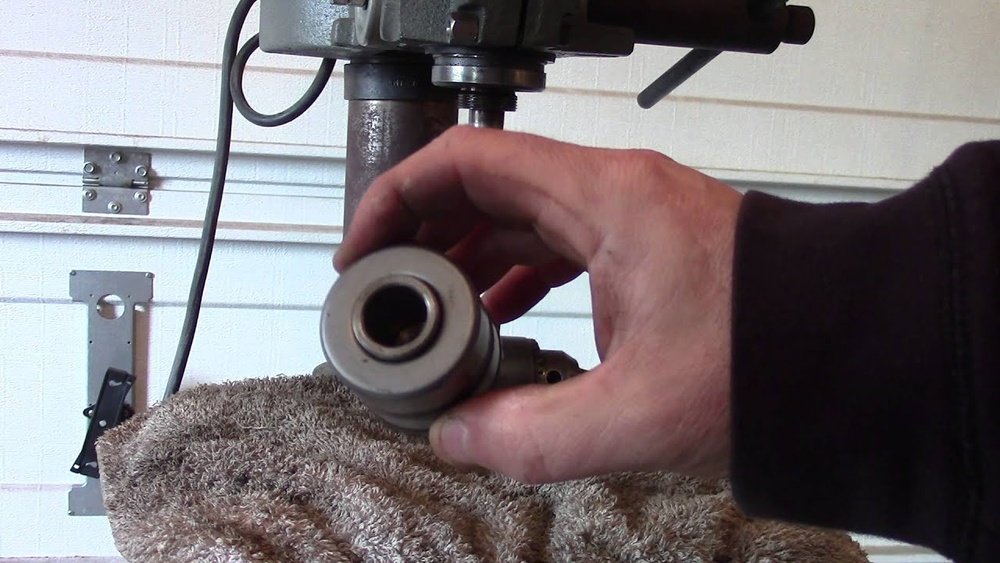
If your drill press isn’t holding bits properly or feels loose, it might be time to replace the chuck. Knowing how to replace the chuck on your drill press can save you time, money, and frustration.
In this guide, you’ll learn simple, step-by-step instructions that anyone can follow—even if you’re not a pro. By the end, your drill press will be ready to work like new, giving you better control and precision on every project. Keep reading to discover how easy it is to get your drill press back in top shape.
Tools Needed
Replacing the chuck on a drill press requires a few basic tools. Having the right tools makes the job faster and easier. It also ensures safety while working on the machine.
Gather all tools before starting. This avoids interruptions and keeps the process smooth. Each tool plays a specific role in removing and installing the chuck.
Chuck Key
A chuck key is essential to loosen and tighten the chuck jaws. It fits into the holes on the side of the chuck. Without it, the chuck will not open or close properly.
Adjustable Wrench
An adjustable wrench helps to grip and turn the chuck or spindle nut. It fits various sizes, making it flexible for different drill presses. Use it to loosen the chuck from the spindle.
Hammer Or Mallet
A hammer or mallet is useful to gently tap parts free if they are stuck. Use light taps to avoid damage. A rubber mallet is best to protect metal surfaces.
Cleaning Cloth
A clean cloth removes dirt and debris from the spindle and chuck. Clean surfaces ensure a tight fit and smooth operation. Wipe both parts before installing the new chuck.
Protective Gloves
Wear protective gloves to protect your hands during the process. Gloves improve grip and keep hands safe from sharp edges. Safety is important when handling tools and metal parts.

Credit: www.reddit.com
Safety Precautions
Always unplug the drill press before starting any work. Wear safety glasses to protect your eyes from flying debris. Check that the drill press is stable and secure during the chuck replacement.
Wear Protective Gear
Always wear safety glasses before starting. Protect your eyes from flying debris. Use gloves to protect your hands from sharp parts. Avoid loose clothing or jewelry that can get caught.
Disconnect Power
Unplug the drill press before changing the chuck. This stops the machine from turning on accidentally. Confirm the power is off by trying to start the drill.
Secure The Drill Press
Make sure the drill press is stable and won’t move. Lock the table and spindle in place. This prevents sudden movement while working.
Use Proper Tools
Use the right wrench or key for the chuck. Avoid makeshift tools that can slip. Using correct tools reduces the risk of injury.
Handle The Chuck Carefully
The chuck can be heavy and have sharp edges. Hold it firmly to avoid dropping it. Keep fingers clear of pinch points during removal and installation.
Identifying The Chuck Type
Identifying the chuck type is the first step to replace a drill press chuck correctly. Different chucks have unique designs and removal methods. Knowing your chuck type saves time and avoids damage to your drill press. This section helps you spot the common chuck types quickly and easily.
Keyed Chucks
Keyed chucks use a special tool called a chuck key. This key fits into holes on the chuck body. You turn the key to tighten or loosen the chuck jaws. Keyed chucks are common in older and some heavy-duty drill presses. Look for small holes around the chuck where the key fits in.
Keyless Chucks
Keyless chucks do not need a chuck key. You twist the chuck sleeve by hand to open or close the jaws. This type is popular in newer, portable drill presses. They are easier to use but may not hold the drill bit as tightly as keyed chucks.
Threaded Chucks
Threaded chucks screw onto the drill press spindle. You can unscrew them to remove the chuck. Check if your chuck spins off by turning it counterclockwise. If it moves, it is likely a threaded chuck. Some threaded chucks need a wrench for removal.
Tapered Chucks
Tapered chucks fit into the spindle with a tight, tapered fit. They do not screw on or use a key. You must use a special drift or hammer to remove them. These chucks are common in older or high-precision drill presses. Look for a smooth, cone-shaped connection.

Credit: www.ereplacementparts.com
Removing The Old Chuck
Removing the old chuck from a drill press is the first step before installing a new one. This process needs care and the right tools. Follow these steps to remove the chuck safely and easily.
Loosening The Chuck
Start by turning off the drill press and unplugging it. Grip the chuck firmly and try to turn it counterclockwise. Use a pair of pliers if it is too tight. This will loosen the chuck from the spindle.
Removing The Chuck Key
Locate the chuck key, a small tool that fits into the holes on the chuck. Insert the key into one of these holes. Turn the key to open the jaws of the chuck fully. This step helps in loosening the chuck further.
Detaching The Chuck
Once the chuck is loose, hold it with one hand. Use the other hand to unscrew it completely from the spindle. Pull the chuck straight off the drill press spindle. Keep the chuck key and tools nearby for the next steps.
Preparing The New Chuck
Preparing the new chuck is an important step before installing it on your drill press. It ensures the chuck fits well and works smoothly. Taking time to clean and check parts helps avoid problems later. Follow these steps carefully for the best results.
Cleaning The Spindle
Start by cleaning the spindle where the chuck will attach. Dirt or old grease can stop the chuck from fitting tightly. Use a clean cloth to wipe the spindle surface. Remove any dust, oil, or rust. A clean spindle helps the chuck hold better and last longer.
Checking Compatibility
Check if the new chuck matches your drill press spindle. Look at the size and type of the spindle thread. The chuck must fit perfectly on the spindle. Using the wrong size can cause damage or poor performance. Check the manual or product details to confirm compatibility.

Credit: www.youtube.com
Installing The New Chuck
Installing the new chuck on your drill press is a key step to ensure it works properly. The process is simple but requires care. Follow each step closely to avoid damage and ensure safety.
Aligning The Chuck
Start by positioning the new chuck on the drill press spindle. Check the spindle taper and the chuck hole for dirt or debris. Clean them if needed. Slide the chuck onto the spindle carefully. Make sure it fits snugly and lines up straight. Do not force the chuck; it should slip on smoothly.
Securing The Chuck
Once aligned, secure the chuck in place. Some drill presses use a threaded spindle, so turn the chuck clockwise to screw it on. Others might use a taper lock system. Press the chuck firmly to seat it well. Avoid loose fitting, as this can cause wobbling during use.
Tightening The Chuck
To tighten the chuck, use a chuck key. Insert the key into the hole on the side of the chuck. Turn the key clockwise to tighten the jaws around the spindle. Give it a few good turns to make sure it holds firmly. Remove the chuck key before starting the drill press.
Testing The Installation
After replacing the chuck on your drill press, testing the installation is crucial. This step ensures the chuck fits well and works correctly. Proper testing avoids problems during drilling and keeps your work safe.
Running The Drill Press
Start the drill press at a low speed. Listen for strange noises or vibrations. Watch the chuck closely. It should spin smoothly and evenly. If you see any jerking or hear unusual sounds, stop immediately. These signs mean the chuck might not be installed properly.
Checking For Wobble
Hold a drill bit in the chuck and turn on the drill press. Look carefully at the bit’s tip. It should spin straight without moving side to side. Wobble means the chuck is loose or misaligned. Tighten the chuck or reinstall it if wobble occurs. A stable bit ensures precise drilling and safety.
Troubleshooting Common Issues
Troubleshooting common issues during chuck replacement helps ensure smooth operation. Problems can slow down your work or cause damage. Knowing how to fix these issues saves time and effort.
Below are two common problems you may face with a drill press chuck and how to solve them.
Chuck Not Tightening
The chuck may not tighten because of dirt or rust inside. Clean the chuck thoroughly with a brush and some oil. Check if the jaws move freely and grip the drill bit firmly.
If the chuck key does not fit well, it can cause poor tightening. Use the correct size key for your chuck. Avoid forcing the key, as this can damage the teeth.
Sometimes, the chuck threads get worn out. Inspect the threads and replace the chuck if they look damaged. Proper tightening ensures safety and better drilling accuracy.
Drill Press Misalignment
Misalignment causes the drill bit to wobble or drill off-center holes. Check the spindle and quill for any looseness or play. Tighten any loose parts to keep the drill press steady.
Examine the chuck mount and spindle taper. Remove the chuck and clean both surfaces well. Dirt or debris can prevent the chuck from seating correctly.
Test the alignment by running the drill at low speed without a bit. Watch for any shaking or uneven movement. Adjust the drill press head or table as needed for proper alignment.
Frequently Asked Questions
How Do I Remove The Old Chuck From A Drill Press?
To remove the old chuck, first unplug the drill press. Loosen the chuck jaws fully and use a chuck key to release it. If stuck, tap the spindle gently with a mallet to free the chuck. Then, unscrew and pull it off carefully.
What Tools Are Needed To Replace A Drill Press Chuck?
You will need a chuck key, adjustable wrench, and possibly a mallet. These tools help loosen, remove, and install the new chuck securely on the spindle. Always ensure the drill press is unplugged before starting the replacement process.
How To Install A New Chuck On A Drill Press?
Align the new chuck with the spindle and screw it on clockwise by hand. Tighten it using the chuck key and an adjustable wrench for a secure fit. Test the chuck by running the drill press at low speed before use.
How Often Should A Drill Press Chuck Be Replaced?
Replace the chuck if it shows signs of wear, damage, or slipping. Regular inspection every few months ensures safety and precision. Proper maintenance can extend the chuck’s lifespan significantly, but timely replacement maintains drill accuracy.
Conclusion
Replacing the chuck on your drill press is simple with the right steps. Take your time and follow each instruction carefully. This helps keep your drill press working well and safe to use. A well-maintained drill press makes your work easier and more precise.
Practice these steps a few times to build confidence. Soon, changing the chuck will feel like second nature. Keep your tools in good shape for better results every time.
