


If your Dewalt cordless drill’s keyless chuck isn’t holding bits tight or is stuck, it’s time for a replacement. You might think this is a tough job, but with the right steps, you can do it yourself quickly and save money.
Imagine getting your drill working like new again, without paying for expensive repairs. In this guide, you’ll learn exactly how to replace the keyless chuck on your Dewalt cordless drill, with simple instructions anyone can follow. Keep reading to get your drill back to perfect working order today.
Tools Needed
Replacing the keyless chuck on a Dewalt cordless drill needs a few basic tools. These tools help you remove the old chuck and install the new one safely. Having the right tools makes the job easier and faster.
Prepare all tools before starting the replacement. This saves time and avoids frustration. Each tool has a specific role in the process.
Allen Wrench
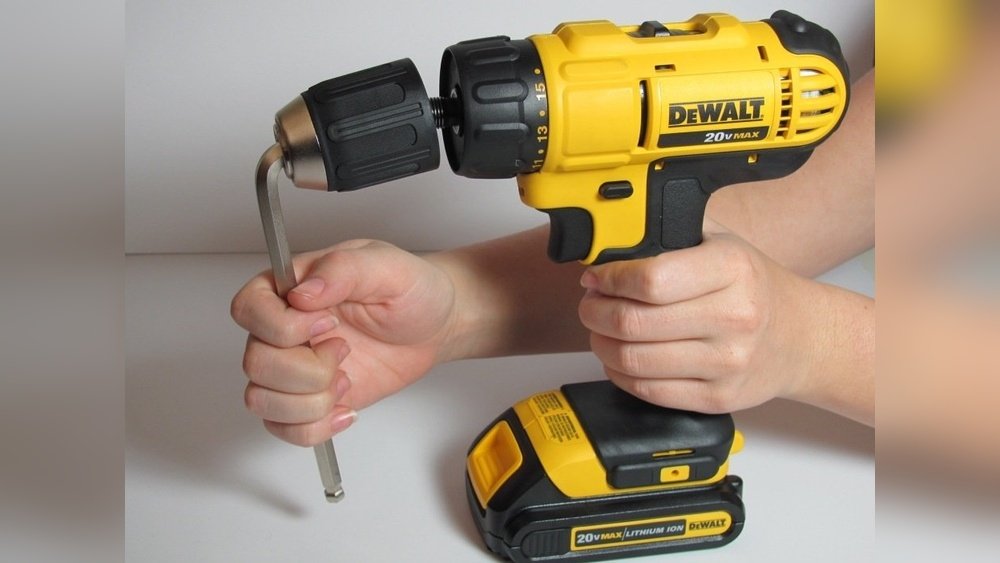
An Allen wrench is essential for loosening the screw inside the chuck. This screw holds the chuck tightly on the drill spindle. Usually, a 3mm or 4mm Allen wrench fits most Dewalt models.
Adjustable Wrench
An adjustable wrench helps to grip and turn the chuck. It provides the force needed to loosen or tighten the chuck on the drill. A medium-sized wrench fits most keyless chucks.
Hammer Or Rubber Mallet
A hammer or rubber mallet is useful for tapping parts gently. It can help loosen a stuck chuck without causing damage. Use light taps to avoid hurting the drill or chuck.
Replacement Keyless Chuck
Of course, you need a new keyless chuck. Make sure the new chuck matches your Dewalt drill model. Check the size and compatibility before buying.
Clean Cloth
A clean cloth helps wipe dirt and dust from the drill spindle. Clean surfaces ensure a better fit and longer tool life. Keep the area clean during the replacement process.
Safety Precautions
Safety is the top priority when replacing the keyless chuck on a Dewalt cordless drill. Taking proper precautions protects you from injury and prevents damage to your drill. Follow these safety steps closely before starting your repair.
Working with power tools requires care. Even small mistakes can cause accidents. Use the right safety gear and prepare your workspace to avoid hazards.
Turn Off And Remove The Battery
Always turn off the drill before any repair work. Remove the battery pack completely to stop accidental startup. This simple step reduces risk of electric shock or injury.
Wear Protective Gear
Wear safety glasses to protect your eyes from dust and debris. Use gloves to keep your hands safe from sharp edges or slips. Comfortable clothing without loose parts is best.
Work In A Clean And Well-lit Area
Choose a tidy workspace with good lighting. Clear away clutter to avoid tripping or losing small parts. A clean area helps you focus and work safely.
Use Proper Tools
Use tools designed for your drill model. Wrong tools can slip or damage parts. Check tool condition before starting to ensure safety and effectiveness.
Follow Manufacturer Instructions
Read the Dewalt manual for specific safety advice and steps. Following official guidelines prevents mistakes and keeps your drill in good shape.
Removing The Old Chuck
Removing the old chuck from your Dewalt cordless drill is the first step to installing a new one. This process clears the way for a fresh, reliable chuck that grips drill bits firmly. Taking out the old chuck needs care and the right steps.
Follow each step carefully. This ensures the chuck comes off without damaging the drill or other parts. Let’s start with loosening the chuck.
Loosen The Chuck
Hold the drill firmly. Turn the chuck counterclockwise to loosen it. If it is tight, use the drill’s keyless feature by gripping the chuck and twisting hard. This frees the chuck and prepares it for removal.
Remove Chuck Screw
Look inside the chuck. You will find a small screw holding it in place. Use a screwdriver to turn the screw counterclockwise. This screw often has a left-hand thread, so turn it the opposite way than usual. Removing this screw lets you pull off the chuck easily.
Detach The Chuck
Grip the chuck with one hand. Use the other hand to hold the drill steady. Pull the chuck straight off the drill’s spindle. If it is stuck, tap it gently with a rubber mallet. Avoid using too much force to prevent damage.

Credit: www.youtube.com
Selecting The Right Replacement Chuck
Selecting the right replacement chuck is important for your Dewalt cordless drill. A good fit ensures smooth operation and safety. This step helps you avoid compatibility issues and performance problems.
Choosing the correct chuck affects how well your drill grips bits. The wrong type can cause slipping or damage. Follow simple steps to pick the best replacement chuck for your tool.
Compatibility Check
First, check if the chuck matches your drill model. Look for the exact size and thread type. Dewalt drills often use a standard 3/8 inch or 1/2 inch chuck.
Confirm the chuck’s mounting style. Some chucks screw on, while others use a key or quick-change system. This ensures the new chuck fits securely.
Check the drill’s manual or label for chuck specs. Using a non-compatible chuck can harm the drill motor or cause accidents.
Choosing The Chuck Type
Decide between keyless and keyed chucks. Keyless chucks tighten by hand, making bit changes fast and easy. Keyed chucks require a tool to tighten, offering a stronger grip.
Match the chuck type to your work needs. Keyless chucks suit light tasks and frequent bit changes. Keyed chucks work better for heavy-duty jobs needing firm grip.
Consider the chuck’s material. Metal chucks last longer and handle tough jobs. Plastic chucks are lighter but less durable.
Installing The New Chuck
Installing the new chuck on your Dewalt cordless drill is a simple process. Follow these steps carefully to ensure the chuck fits well and works properly. Proper installation keeps your drill safe and effective for all tasks.
Aligning The Chuck
Start by matching the new chuck with the drill’s spindle. The chuck has a hole that fits onto the spindle’s threaded end. Hold the chuck straight and push it onto the spindle until it fits snugly. Make sure the chuck teeth line up with the spindle threads to avoid cross-threading.
Securing The Chuck
Once aligned, hold the chuck firmly in place. Use your hand to turn the chuck clockwise to thread it onto the spindle. Turn slowly and steadily. This ensures the chuck tightens evenly on the drill. Keep turning until the chuck feels firmly attached and does not wobble.
Tightening The Chuck Screw
Look inside the chuck for a small screw at the bottom. This screw holds the chuck tightly on the spindle. Use a screwdriver to turn the screw clockwise until it is tight. This step prevents the chuck from loosening during use. Double-check the screw is secure before testing the drill.
Testing The New Chuck
After replacing the keyless chuck on your Dewalt cordless drill, testing is important. It ensures the new chuck works well and is safe. This step helps avoid damage to your drill or workpieces. Follow these checks to confirm proper installation and function.
Check For Proper Fit
First, inspect the new chuck closely. Make sure it sits flush against the drill’s spindle. There should be no gaps or wobbling. Tighten the chuck firmly by hand. Spin the chuck to see if it turns smoothly. A proper fit means the chuck holds drill bits tightly. If the chuck feels loose or uneven, recheck the installation.
Test Drill Operation
Insert a drill bit into the new chuck. Tighten the chuck around the bit securely. Turn on the drill at a low speed. Listen for unusual sounds like grinding or clicking. Observe the bit’s movement for wobble or shaking. Increase speed to test stability further. The drill should run smoothly without vibration. Stop the drill and check the bit again. It should stay in place firmly without slipping.
Troubleshooting Common Issues
Troubleshooting common issues with your Dewalt cordless drill saves time and effort. Problems with the keyless chuck can stop your work. Fixing these issues quickly helps keep your drill working well. Here are simple tips for common problems.
Chuck Not Tightening
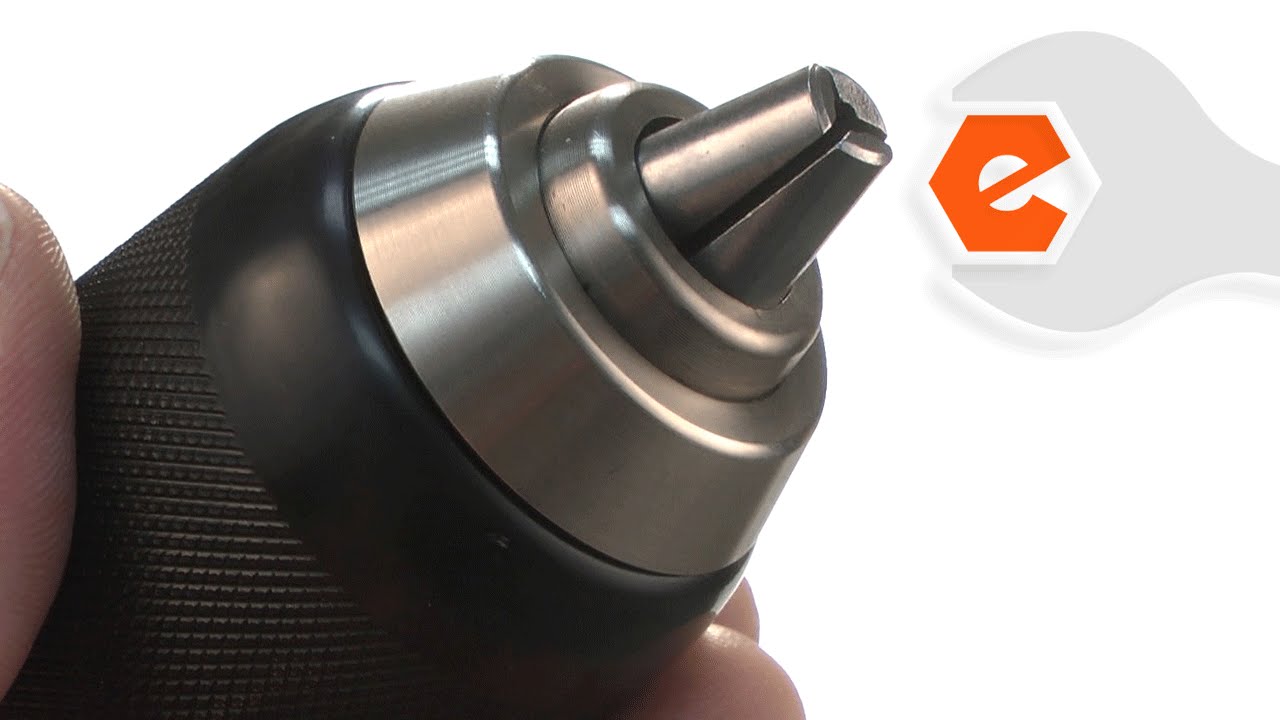
The chuck may not tighten properly due to dirt or debris inside. Clean the chuck with a brush and some cloth. Check for worn or damaged parts that may need replacement. Make sure you twist the chuck firmly until it locks the bit in place. Avoid over-tightening, which can damage the chuck.
Drill Slipping
Slipping happens when the chuck does not hold the drill bit tightly. Check if the bit is the right size for the chuck. Use a bit with a smooth shank for better grip. Tighten the chuck fully to prevent slipping. If slipping continues, the chuck may need replacement.
Unusual Noises
Strange noises often mean dirt or worn parts inside the chuck. Clean the chuck and apply a small amount of lubricant. Avoid using too much oil, which can attract dust. Listen for grinding or clicking sounds while operating. These noises can signal a need for repair or replacement.
Credit: www.youtube.com

Credit: www.kgcountry.com
Frequently Asked Questions
How Do I Remove The Keyless Chuck From A Dewalt Drill?
To remove the keyless chuck, first loosen it by hand. Then, remove the retaining screw inside the chuck using a screwdriver. Finally, pull the chuck off the spindle carefully.
What Tools Are Needed To Replace A Dewalt Keyless Chuck?
You need a screwdriver to remove the retaining screw and an adjustable wrench or pliers to loosen the chuck. A replacement keyless chuck compatible with your Dewalt model is also essential.
How Do I Install A New Keyless Chuck On A Dewalt Drill?
Align the new chuck with the spindle and push it firmly in place. Secure it by tightening the retaining screw inside the chuck. Test the chuck by rotating it to ensure it’s properly installed.
Can I Replace The Keyless Chuck Without Professional Help?
Yes, replacing the keyless chuck is a simple DIY task. Follow the step-by-step instructions carefully and use the right tools. Always ensure the drill is powered off before starting.
Conclusion
Replacing the keyless chuck on your Dewalt cordless drill is simple. Follow the steps carefully and take your time. Use the right tools and keep safety in mind. A new chuck will improve your drill’s grip and performance. This small repair saves money and extends drill life.
You can handle this task even with basic skills. Now, your drill is ready for many projects ahead. Feel confident fixing your tools yourself.
