


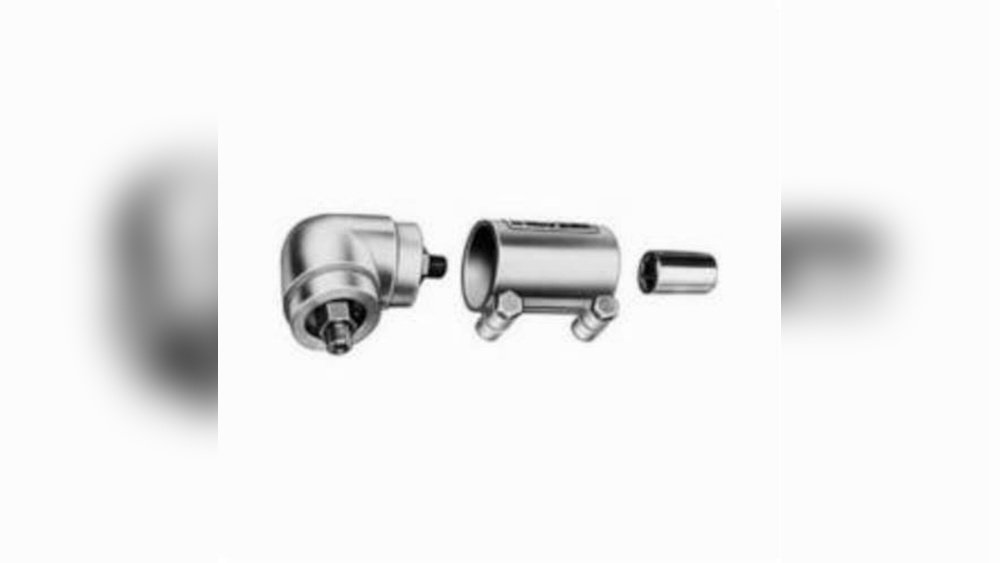
If your Milwaukee angle drill isn’t working like it used to, the problem might be the drive unit. Replacing this part can save you time and money compared to buying a new drill.
But how do you do it right? In this guide, you’ll find simple, clear steps to replace your Milwaukee angle drill drive unit quickly and safely. By the end, you’ll have your drill running smoothly again, ready for your next project.
Keep reading—you’re closer to fixing your tool than you think.
Tools And Materials Needed
Replacing the drive unit on a Milwaukee angle drill requires certain tools and materials. Having these ready makes the process smooth and safe. Prepare everything before starting the repair.
Basic Hand Tools
You need a set of screwdrivers, both flathead and Phillips. A small wrench or socket set helps remove bolts. Needle-nose pliers are useful for gripping small parts.
Replacement Drive Unit
Get the exact drive unit model for your Milwaukee angle drill. Check the part number on your drill or manual. Using the right part ensures proper fit and function.
Safety Equipment
Wear safety glasses to protect your eyes from debris. Use gloves to avoid cuts and improve grip. Work in a well-lit area for better visibility.
Cleaning Supplies
Have a soft cloth or brush ready. It helps remove dust and dirt from the drill parts. Clean surfaces make reassembly easier and improve tool performance.

Credit: www.mccallytool.com
Safety Precautions
Safety must be your top priority when replacing the Milwaukee angle drill drive unit. This task involves tools and small parts that can cause injury. Taking the right steps keeps you safe and helps the job go smoothly.
Follow these safety rules closely. Avoid rushing. Stay focused on each step. Wear proper gear to protect yourself.
Wear Protective Gear
Always wear safety glasses to protect your eyes. Gloves help prevent cuts and scrapes. Use ear protection if noise is loud. Wear clothes that fit well and do not catch on moving parts.
Disconnect Power Source
Unplug the drill or remove the battery before starting. This stops the drill from turning on by accident. Double-check that the tool is off and has no power.
Work In A Clean Area
Keep your workspace tidy and free of clutter. Clear surfaces reduce the chance of losing small parts. Good lighting helps you see what you are doing.
Use The Right Tools
Select tools designed for the drill and the replacement unit. Using the wrong tools can damage parts or cause injury. Follow the manufacturer’s instructions carefully.
Preparing The Drill
Start by unplugging the drill and removing the battery for safety. Clean the drill’s exterior and find a clear workspace. Gather all needed tools before beginning the drive unit replacement.
Clear Your Workspace
Start by organizing your work area. Remove clutter and dirt. A clean space helps you focus. It also prevents losing small parts during the repair.
Disconnect The Power Source
Unplug the drill or remove its battery. This step avoids accidental starts. Safety first. Always ensure no power is connected before handling the tool.
Gather Necessary Tools
Collect all tools needed for the job. Common tools include screwdrivers, pliers, and a replacement drive unit. Having everything ready saves time and frustration.
Wear Safety Gear
Put on safety glasses and gloves. Protect your eyes from dust and small debris. Gloves can help you grip parts better and prevent cuts.
Inspect The Drill Body
Check the drill for visible damage or dirt. Clean the exterior gently with a cloth. A clean drill makes parts easier to remove and install.

Credit: www.stoneshc.com
Removing The Old Drive Unit
Removing the old drive unit from your Milwaukee angle drill is the first step to keep your tool working well. This process needs care and the right steps to avoid damage. Follow the instructions to take off the worn-out parts safely.
Start by making sure the drill is safe to handle. Then, remove parts one by one. This will help you reach the drive unit easily. Use simple tools and take your time for the best results.
Detach The Battery
Always remove the battery before starting any work on your drill. This stops the drill from turning on by mistake. Press the release button and pull the battery out carefully. Keep the battery away from your work area.
Remove The Chuck
Next, take off the chuck. This is the part that holds drill bits. Use a wrench or pliers if it feels tight. Turn it counterclockwise to loosen and remove. Keep the chuck in a safe place for later use.
Unscrew The Drive Unit
Now, find the screws that hold the drive unit. Use a screwdriver to remove all screws. Keep the screws safe for reassembly. Gently pull the drive unit away from the drill body. If it feels stuck, wiggle it slightly without forcing.
Installing The New Drive Unit
Installing the new drive unit on your Milwaukee angle drill is a key step. It restores the tool’s performance and ensures smooth operation. Follow the steps carefully to fit the new unit correctly. Precision matters here to avoid future problems.
Align The New Unit
Hold the new drive unit close to the drill body. Match the shape and holes with the drill’s frame. Take your time to line it up perfectly. This ensures the parts fit and work well together.
Secure With Screws
Use the original screws or the new ones that came with the unit. Tighten them evenly to keep the drive unit steady. Avoid over-tightening to prevent damage. A firm, secure fit is the goal here.
Reattach The Chuck
Place the chuck back on the drive unit’s spindle. Twist it until it locks into place. Check that the chuck spins freely without wobbling. This step completes the installation and gets your drill ready.
Credit: www.milwaukeetool.com
Testing The Drill
Testing the drill is an important step after replacing the drive unit. It ensures the drill works properly and safely. This process helps you find any issues early. Follow simple steps to test your Milwaukee angle drill effectively.
Insert The Battery
Start by inserting the battery into the drill. Make sure it fits securely. A loose battery can cause the drill to stop working. Check the battery charge to avoid interruptions during testing. A fully charged battery gives the best results.
Check For Proper Operation
Turn the drill on to test its function. Listen for smooth and steady motor sounds. Watch for any unusual noises or vibrations. Press the trigger gently and then fully to check speed control. Test the drill in both forward and reverse modes. Ensure the chuck rotates without wobbling or slipping.
Troubleshooting Common Issues
Troubleshooting common issues helps fix problems fast and saves time. When replacing the Milwaukee angle drill drive unit, some issues may arise. Knowing how to identify and solve these problems makes the job easier. Focus on simple checks and clear steps to get your drill working again.
Drive Unit Not Fitting
Check the size of the new drive unit first. It must match your drill model exactly. Dirt or debris on the connection point can block a proper fit. Clean both parts well before trying again. Align the drive unit carefully to avoid damage. Do not force the unit if it feels stuck. Forcing can break the drill or the drive unit.
Drill Not Operating Correctly
Inspect the drive unit for any visible damage or wear. Loose parts inside can stop the drill from working. Make sure the unit is securely attached to the drill. Test the trigger and switch for proper function. Check the battery charge or power source. Sometimes a low battery causes poor operation. Replace or recharge the battery if needed.
Maintenance Tips For Longevity
Keeping your Milwaukee angle drill drive unit in good shape helps it work longer. Regular care stops damage and costly repairs. Small habits protect the tool and keep it safe to use.
Follow these simple maintenance tips. They make your drill last and perform well every time.
Clean The Drive Unit Regularly
Dirt and dust can block the moving parts. Use a soft brush or cloth to clean the unit after each use. Avoid water or harsh chemicals that may cause rust.
Lubricate Moving Parts
Apply a small amount of machine oil to gears and joints. This reduces friction and wear. Check the manufacturer’s guide for the right lubricant type.
Inspect For Wear And Damage
Look closely at gears and housing for cracks or worn teeth. Replace parts showing damage immediately to avoid bigger problems.
Tighten Screws And Bolts
Loose screws can cause misalignment and noise. Check all screws and bolts regularly. Tighten them gently but firmly to keep parts secure.
Store The Drill Properly
Keep the drill in a dry, cool place. Avoid leaving it in damp or hot areas. Proper storage prevents rust and battery damage.
Frequently Asked Questions
How Do I Remove The Old Drive Unit Safely?
To remove the old drive unit, first unplug the drill. Use the correct screwdriver to unscrew the unit. Handle parts gently to avoid damage. Keep screws safe for reassembly.
What Tools Are Needed To Replace The Drive Unit?
You need a Phillips screwdriver, pliers, and a replacement drive unit. Ensure the drill is powered off before starting. Having a clean workspace helps during replacement.
How To Align The New Drive Unit Correctly?
Align the drive unit with the drill’s internal gears carefully. Make sure it fits snugly without forcing. Proper alignment ensures smooth operation and prevents damage.
How Long Does Replacing The Drive Unit Take?
Replacing the drive unit usually takes 15-30 minutes. Time varies based on experience and model. Taking it slow reduces the risk of errors.
Conclusion
Replacing the Milwaukee angle drill drive unit is simple and quick. Follow each step carefully to avoid mistakes. Keep your tools ready and work in a clean space. Regular maintenance helps your drill last longer. Now, you can fix your drill yourself with confidence.
Save time and money by doing it right at home. Remember, safety first—wear gloves and eye protection. This guide makes repair easy, even for beginners. Your drill will work like new again.
