


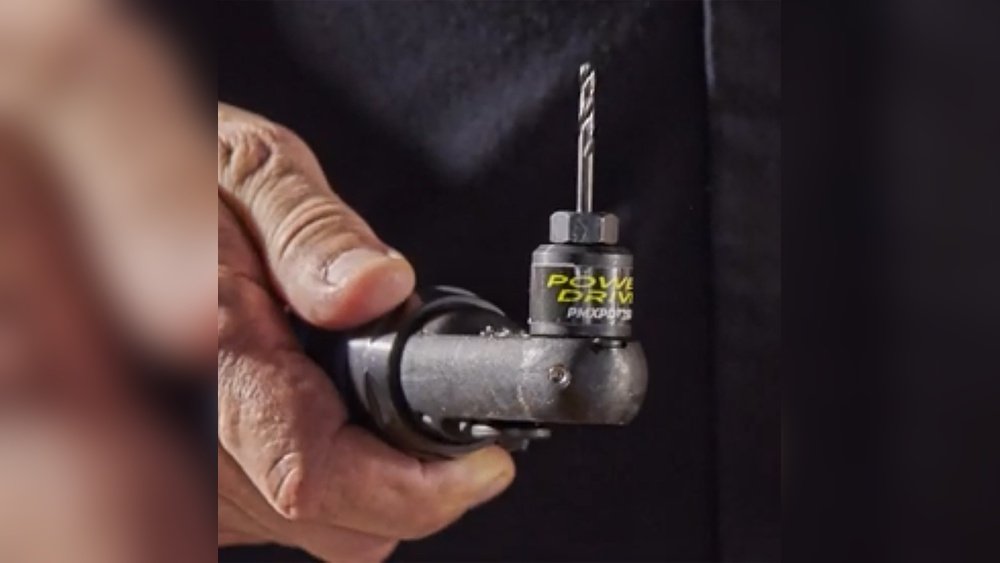
Have you ever struggled to drill in tight spaces where your regular drill just won’t fit? That’s where right angle drill attachments come in handy.
These clever tools let you reach tricky spots without twisting your wrist or buying a new drill. If you want to learn how these attachments work and why they can make your projects easier, keep reading. By the end, you’ll know exactly how to use them to get the job done faster and with less hassle.
Right Angle Drill Basics
Right angle drill attachments help you drill in tight spaces. They change the drill’s direction by 90 degrees. This tool fits between the drill and the drill bit. It allows you to work in spots where a regular drill cannot fit. These attachments make drilling easier in corners and narrow areas.
Key Features
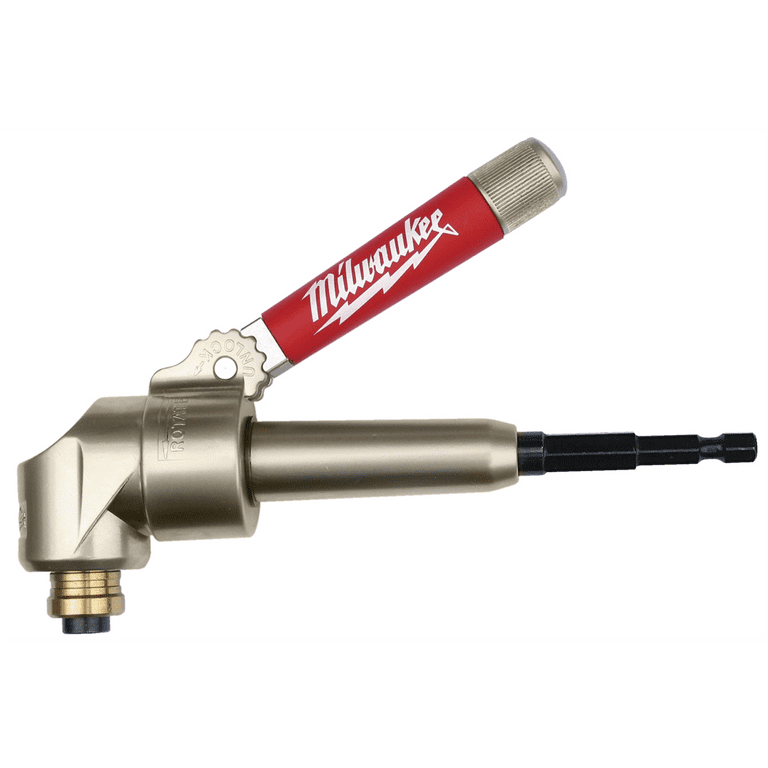
Right angle drill attachments have a small, compact design. They have a 90-degree gear mechanism inside. This gears transfer power from the drill to the bit at a right angle. Most come with a chuck that holds different bit sizes. They are lightweight and easy to handle. Some models include a swivel head for more angle options.
Common Uses
These attachments are great for tight corners and confined spaces. They help in cabinet making, plumbing, and electrical work. You can use them to drill holes behind walls or furniture. They also work well for installing shelves or fittings. Many professionals keep one for small, hard-to-reach jobs.

Credit: www.hardwarestore.com
Types Of Attachments
Right angle drill attachments come in different types. Each type fits specific needs and tools. Knowing the types helps you pick the best one for your project. This section explains the main types of attachments and their features.
Corded Vs Cordless
Corded attachments connect to drills with power cords. They provide constant power. Perfect for long jobs without breaks. Cordless attachments work with battery-powered drills. They offer more freedom of movement. Great for tight spaces and quick tasks. Choose based on your drill type and work style.
Size And Compatibility
Attachments vary in size to fit different drills. Small attachments work well with compact drills. Larger ones suit heavy-duty drills. Check the drill’s chuck size before buying. Some attachments fit multiple sizes with adapters. Always match attachment size with drill size. This ensures safe and efficient use.
Mechanism Behind Operation
The mechanism behind right angle drill attachments is simple yet effective. These tools help you drill in tight spaces where a regular drill won’t fit. The key lies in how they change the drill’s direction without losing power.
Gear System
Right angle attachments use a set of small gears inside the tool. These gears connect the drill’s main shaft to the attachment’s output shaft. When the drill spins, it turns the first gear.
This gear meshes with another gear set at a 90-degree angle. This change in gear direction allows the drill bit to rotate sideways. The gears must be strong to handle the drill’s speed and pressure.
Torque Transmission
Torque is the force that turns the drill bit. The gear system transfers this torque from the drill to the attachment. Good torque transmission means the drill bit spins with enough power.
The attachment’s design minimizes torque loss. This ensures the drill works efficiently, even in tight corners. The right angle tool keeps the drill’s strength while changing the direction of rotation.

Credit: adelaideepic.org
Advantages Of Right Angle Attachments
Right angle drill attachments offer several benefits that make drilling easier and more efficient. They change the drill’s direction, allowing work in places a regular drill cannot reach. These attachments add flexibility and improve the drilling experience for many tasks.
Access To Tight Spaces
Right angle attachments help reach narrow or confined areas. Standard drills often cannot fit in these spots. The attachment turns the drill bit at a 90-degree angle. This lets users drill in corners, between studs, and inside cabinets easily. It saves time and effort during projects with limited space.
Improved Control
Using a right angle attachment gives better control over the drill. The new angle reduces wrist strain and makes handling the tool easier. It also helps keep the drill steady, resulting in more accurate holes. This control is especially useful for delicate or precise work.
Choosing The Right Attachment
Choosing the right right-angle drill attachment is important for smooth work. The correct attachment helps you reach tight spots and finish tasks fast. Picking the wrong one can cause damage or slow you down. Know what to check before buying.
Material Considerations
Right-angle drill attachments come in different materials. Some are made of plastic, others of metal. Metal attachments last longer and handle tough jobs better. Plastic ones are lighter but may break easily. Think about your work type before choosing.
Also, check the gears inside the attachment. Hardened steel gears resist wear and tear. Softer metals wear out faster under heavy use. Choose materials that match your job’s demands and budget.
Drill Compatibility
Not all attachments fit every drill. Check the size of your drill’s chuck first. Most attachments fit standard 3/8-inch or 1/2-inch chucks. Some may require adapters for smaller or larger drills.
Look at the attachment’s drive type. It should match your drill’s drive shaft. Some use hex bits, others use round shafts. Using the wrong type can cause slipping or damage.
Maintenance Tips
Proper maintenance keeps your right angle drill attachments working well. It helps avoid damage and extends their life. Regular care ensures smooth performance and safety during use.
Cleaning And Lubrication
Clean the attachment after every use. Remove dust, dirt, and debris with a soft brush or cloth. Avoid using water directly on the tool to prevent rust.
Apply a light machine oil to moving parts. This reduces friction and stops wear. Wipe off excess oil to avoid attracting more dirt.
Storage Best Practices
Store your attachments in a dry, cool place. Use a case or toolbox to keep them safe from dust and moisture. Avoid places with extreme heat or humidity.
Keep attachments separate to prevent scratches or damage. Proper storage helps maintain their shape and function. Check them regularly for signs of wear or rust.
Common Issues And Fixes
Right angle drill attachments are helpful tools for tight spaces. They make drilling easier in corners and hard-to-reach areas. Still, these attachments can face some common problems during use. Knowing these issues and their fixes keeps your work smooth and efficient.
Gear Slippage
Gear slippage happens when the attachment’s gears lose grip. This causes the drill bit to stop turning properly. Often, slippage occurs due to worn or damaged gears. Dirt and debris can also cause the gears to slip.
To fix gear slippage, first clean the gears carefully. Use a brush to remove dirt or dust. If gears are worn out, replace them with new ones. Tighten all screws and parts to keep the gears aligned. Regular maintenance prevents slippage and extends tool life.
Attachment Loosening
Attachments can loosen during use, making drilling unsafe. This usually happens because of vibration or improper fitting. A loose attachment may wobble or fall off while drilling.
Check the connection before each use. Tighten the locking mechanism firmly but not too tight. Use thread-locking compounds if needed to keep parts secure. Store the attachment properly to avoid damage that causes loosening.
Credit: www.walmart.com
Frequently Asked Questions
What Is A Right Angle Drill Attachment?
A right angle drill attachment changes the drill’s direction by 90 degrees. It allows drilling in tight, hard-to-reach spaces. This tool is compact and fits onto standard drills, making angled drilling easier and more efficient.
How Do Right Angle Drill Attachments Improve Drilling?
They enable drilling in confined areas without repositioning the workpiece. This increases precision and saves time. The attachment’s design maintains torque and control, ensuring effective drilling in awkward spaces.
Can Right Angle Drill Attachments Fit All Drills?
Most right angle drill attachments fit standard cordless and corded drills. However, compatibility varies by brand and chuck size. Always check the attachment’s specifications to ensure it matches your drill model and size.
Are Right Angle Drill Attachments Durable For Heavy Use?
Yes, quality attachments use strong materials like steel and reinforced plastic. They withstand regular drilling tasks and moderate pressure. For heavy industrial use, select professional-grade attachments designed for durability.
Conclusion
Right angle drill attachments help reach tight spaces easily. They change the drill’s direction without extra effort. Using them saves time and makes work simpler. These tools fit most drills and are easy to use. Choosing the right attachment improves your drilling experience.
Keep them in your toolbox for quick fixes. Understanding how they work helps you use them well. Try one next time you face a tricky spot. Small tool, big help.
