


Choosing the right hammer drill for concrete can feel overwhelming. You want a tool that’s powerful, reliable, and easy to handle.
But with so many options out there, how do you know which one fits your needs? In this guide, you’ll discover exactly what to look for to make your drilling tasks faster and smoother. By the end, you’ll feel confident picking the perfect hammer drill that saves you time and effort every time you work with concrete.
Keep reading—your next project depends on it!
Types Of Hammer Drills
Choosing the right hammer drill for concrete depends on understanding the different types available. Each type has unique features suited for specific tasks. Knowing these types helps pick the best tool for your work.
Hammer drills vary mainly by their mechanism and power source. Some are better for heavy jobs, while others suit light or occasional use. Exploring these differences can guide your choice.
Rotary Hammer Vs. Hammer Drill
Rotary hammers use a piston mechanism to deliver strong blows. They break concrete faster and handle tough jobs well. Ideal for drilling large holes or chiseling.
Standard hammer drills combine rotation with a hammering action. They work fine for small holes and softer materials. Less powerful but more affordable and lighter.
Rotary hammers are best for heavy-duty concrete work. Hammer drills fit better for occasional or light tasks.
Corded Vs. Cordless Models
Corded hammer drills provide constant power without running out. They are great for long projects and tough jobs. Usually heavier and require an outlet nearby.
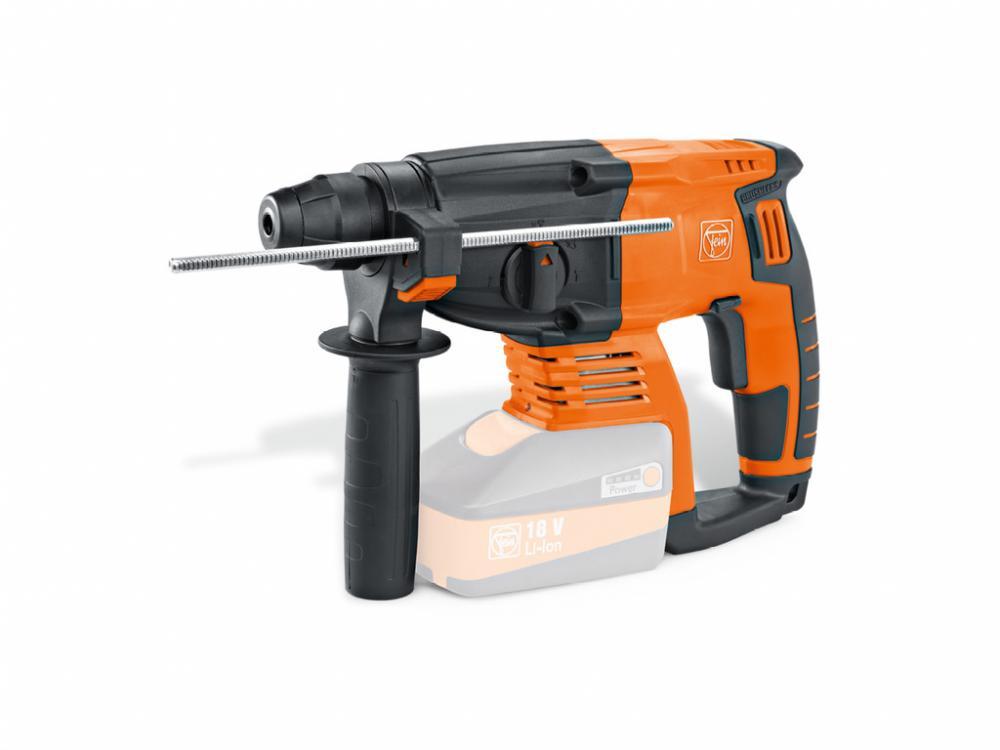
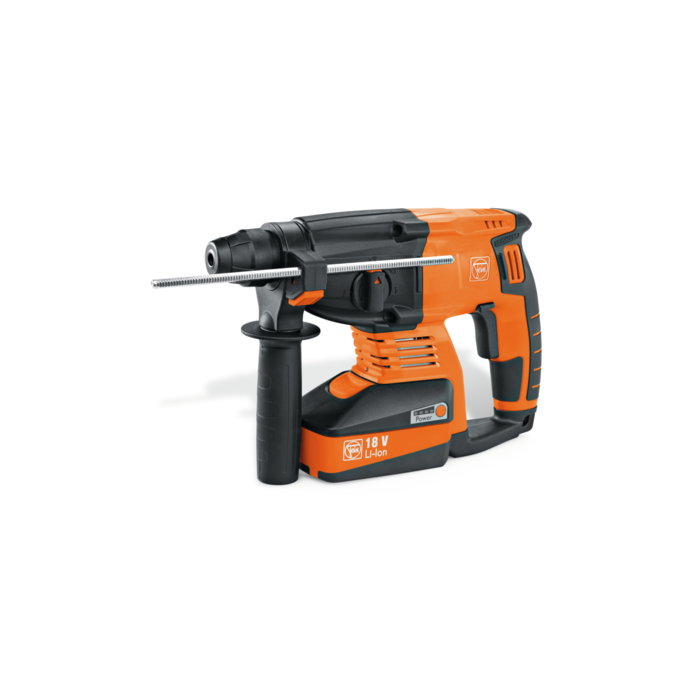
Cordless models offer freedom of movement and easy handling. Battery life limits use time but improves with new technology. Perfect for quick jobs or places without power access.
Choose corded for power and long work. Pick cordless for portability and convenience.

Credit: open011.it
Key Features To Consider
Choosing the right hammer drill for concrete depends on several important features. These features affect how well the drill works and how easy it is to use. Understanding them helps you pick the best tool for your needs.
Power And Impact Energy
Power is key for drilling into hard concrete. More power means the drill can handle tough jobs with less effort. Impact energy measures how strong each hammer blow is. Higher impact energy means faster drilling and better results. Check the drill’s wattage or voltage for power. Look for impact energy in joules or foot-pounds.
Drill Speed And Modes
Drill speed controls how fast the bit spins. Different materials need different speeds. Variable speed settings let you adjust for best results. Many hammer drills have multiple modes. These include drilling, hammer drilling, and chiseling. Choose a drill with modes that fit your project type.
Chuck Size And Type
The chuck holds the drill bit. Common chuck sizes are 1/2 inch and 3/8 inch. Larger chucks hold bigger bits for heavy work. Choose a keyless chuck for easy bit changes. A strong chuck keeps the bit steady and safe during use.
Ergonomics And Design
Ergonomics and design play a big role in choosing a hammer drill for concrete. A well-designed tool feels comfortable and easy to use. It helps reduce tiredness and improves control. This makes your work faster and safer.
Weight And Balance
Weight affects how long you can use the drill without strain. A heavy drill tires your arms quickly. A light drill lets you work longer. Balance means the weight spreads evenly. This stops the drill from feeling awkward or hard to hold. Good balance helps you drill straight and steady.
Handle Comfort And Grip
Look for handles with soft, slip-resistant grips. They stop your hands from slipping. Comfortable handles reduce pressure on your fingers and palms. Some drills have extra handles for two-handed use. This adds control and stability. A good grip lets you work safely and with less effort.
Vibration Control
Vibration from the drill can cause hand fatigue and discomfort. Tools with vibration control systems reduce shaking. Less vibration means better comfort and less risk of injury. Choose a drill with anti-vibration features to protect your hands during long jobs.
Durability And Build Quality
Durability and build quality are key for a hammer drill used on concrete. The tool must handle tough jobs without breaking. Strong materials and solid construction extend its life. A durable drill saves money and time. It also ensures safety during use.
Material And Construction
Look for drills made with high-grade steel or aluminum parts. These metals resist bending and breaking. The drill’s body should feel sturdy and well-built in your hand. Tight seams and reinforced joints prevent damage. Quality construction keeps the motor and gears safe inside. Avoid drills with many plastic parts. They wear out faster under heavy use.
Dust And Water Resistance
Concrete work creates lots of dust and sometimes moisture. A good hammer drill must resist both. Check for dust seals around buttons and vents. These keep dirt from entering the motor. Water resistance protects the drill from rain or wet surfaces. Look for an IP rating or mention of dust and water resistance. This feature helps the drill last longer in harsh conditions.
Battery Life And Charging
Battery life and charging are important when choosing a hammer drill for concrete. A drill with good battery life helps you work longer without stopping. Fast and easy charging keeps your tool ready for use. Understanding battery types and charging options will help you pick the best drill.
Battery Type And Capacity
Most hammer drills use lithium-ion batteries. These batteries are light and hold charge well. Higher capacity means longer run time. Battery capacity is measured in ampere-hours (Ah). A battery with 4.0 Ah lasts longer than one with 2.0 Ah. Choose a drill with a battery size that suits your work needs.
Charging Time And Options
Charging time varies by battery type and charger quality. Some batteries charge fully in 30 minutes. Others may take 1 to 2 hours. Fast chargers reduce downtime during work. Some drills offer removable batteries. This lets you swap batteries and keep working without waiting to charge.
Credit: www.caliberindustrial.com
Additional Features
Choosing a hammer drill for concrete is more than just power and speed. Extra features can make your work easier and safer. These small additions improve control and precision. They help you get better results with less effort.
Adjustable Clutch
The adjustable clutch controls the drill’s torque. It stops the drill if the bit gets stuck. This protects your drill and the surface. You can set the clutch for different tasks. It helps avoid damage to both the tool and material.
Led Lights
LED lights brighten dark work areas. They make it easier to see where you drill. This feature is useful in basements or corners. It improves accuracy and safety. No need for extra lamps or flashlights.
Depth Stop
The depth stop limits how deep the drill bit goes. It helps create consistent holes. Perfect for tasks requiring exact depth. Saves time and prevents drilling too far. Makes your work neat and professional.
Budget And Warranty
Choosing a hammer drill for concrete needs more than just power and speed. Budget and warranty play big roles in your decision. They affect both your initial cost and long-term satisfaction. Spending wisely can save money and trouble later.
Price Ranges
Hammer drills vary widely in price. Basic models start around $50. These work for small, light jobs. Mid-range drills cost $100 to $200. They offer better power and durability. High-end drills can cost $300 or more. They are built for heavy, frequent use. Consider how often and hard you will use the drill. Match the price to your needs. Don’t pay for features you won’t use.
Warranty And Support
Warranty shows the manufacturer’s confidence in their product. Most drills come with one to three years of coverage. Check what the warranty covers. Look for protection against defects and motor damage. Some brands offer extended warranties for free registration. Good customer support is important too. Easy access to help and repair services saves time and money. Choose a drill with clear warranty terms and reliable support.
Top Brands And Models
Choosing the right hammer drill for concrete means knowing top brands and models. Trusted brands provide strong, durable tools. Their models offer features that make drilling easier and faster. Understanding popular options helps buyers select tools with confidence.
Quality, power, and ease of use vary between brands. Some focus on cordless models, others on corded drills with higher power. Knowing what each brand offers helps you find the best fit for your needs.
Popular Hammer Drills For Concrete
DeWalt and Bosch are well-known for reliable hammer drills. The DeWalt DWD520K delivers strong impact energy for tough concrete. Bosch’s 11255VSR offers variable speed for control and precision. Makita’s HR2475 is lightweight but powerful, great for longer jobs. Milwaukee’s 2704-20 combines cordless freedom with solid performance. These models balance power and comfort for concrete work.
User Reviews And Ratings
Users praise DeWalt for its durability and long battery life. Bosch gets high marks for ease of use and control. Makita wins points for light weight and vibration reduction. Milwaukee scores well for battery power and quick charging. Reading reviews reveals real-life strengths and weaknesses. Pay attention to feedback on drill speed, handle comfort, and reliability.
Safety Tips For Using Hammer Drills
Working with a hammer drill on concrete demands strict safety measures. These tools are powerful and can cause serious injuries without proper care. Following safety tips helps protect you and others around the work area. Always prepare well before starting any drilling job.
Protective Gear
Wear safety goggles to shield your eyes from flying debris. Use ear protection to reduce noise damage. Heavy-duty gloves protect your hands from vibration and sharp edges. Wear a dust mask to avoid breathing in harmful particles. Sturdy boots prevent foot injuries from falling objects.
Proper Handling Techniques
Hold the drill firmly with both hands to control its power. Keep a stable stance to avoid losing balance during drilling. Avoid forcing the drill; let it work at its own pace. Turn off and unplug the tool before changing bits or cleaning. Check the drill and cords for damage before use.
Credit: www.industrialproducts.com
Frequently Asked Questions
What Features Make A Hammer Drill Best For Concrete?
A hammer drill for concrete needs high impact energy and durable construction. Variable speed and adjustable depth improve precision. Look for SDS-plus or SDS-max chuck systems for easy bit changes. Ergonomic design reduces user fatigue during heavy-duty tasks.
How Do I Choose The Right Drill Power For Concrete?
Select a hammer drill with at least 7 amps or 700 watts for effective concrete drilling. Higher power ensures better performance on tough surfaces. Consider voltage and impact rate too, as they affect drilling speed and efficiency.
Can Corded Or Cordless Hammer Drills Work On Concrete?
Both corded and cordless hammer drills can work on concrete. Corded models offer consistent power for long jobs. Cordless drills provide portability and convenience. Choose based on work site access and duration of use.
What Drill Bit Type Is Best For Concrete Drilling?
Use carbide-tipped masonry drill bits designed for concrete. SDS-plus or SDS-max shank bits fit hammer drills perfectly. These bits resist wear and deliver clean, fast holes in concrete surfaces.
Conclusion
Choosing the right hammer drill makes concrete work easier and faster. Focus on power, speed, and durability. Think about how often you will use it. Check the drill’s weight and handle comfort. Look for features like variable speed and hammer action.
A good drill saves time and effort. Take your time to compare options. This helps you pick a drill that fits your needs well. Ready to tackle your concrete projects with confidence!
