



Are you ready to tackle your next project with a cordless drill? Before you start, it’s crucial to know how to use it safely.
One wrong move can lead to accidents or damage to your tools and materials. This guide will show you simple, practical steps to keep you safe and confident every time you pick up your drill. Keep reading to protect yourself and get the best results from your cordless drill.
Your safety—and success—depend on it.
Credit: ronixtools.com
Choosing The Right Drill
Choosing the right cordless drill is important for safe and effective use. The right drill fits your needs and skill level. It helps you complete tasks easily and reduces risks of accidents.
Focus on the type of drill, its features, and battery life. These factors affect performance and safety. Understanding these will guide you to the best drill for your work.
Types Of Cordless Drills
There are two main types: drill drivers and hammer drills. Drill drivers are good for simple tasks like drilling holes and driving screws. Hammer drills add a pounding action for tougher materials like concrete. Choose a drill based on the jobs you plan to do.
Key Features To Consider
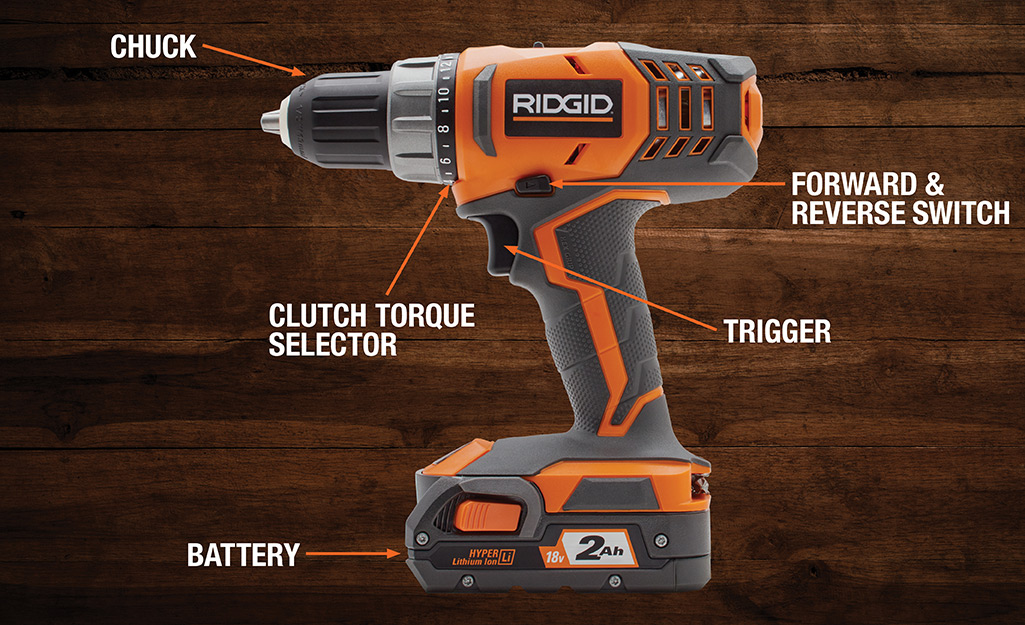
Look for a drill with adjustable speed settings. It lets you control power for different materials. A comfortable grip reduces hand fatigue. Lightweight drills are easier to handle and safer to use. Also, check if the drill has a built-in LED light to see your work better.
Battery Life And Power
Battery life affects how long you can work without charging. Choose a drill with a battery that lasts long enough for your projects. Higher voltage means more power for tough jobs. But higher voltage drills may be heavier. Balance power and weight for safety and comfort.
Preparing For Safe Use
Preparing for safe use is the first step in handling a cordless drill. This stage helps prevent accidents and ensures smooth work. Taking time to prepare protects you and your tools.
Inspecting The Drill
Check the drill for any damage before use. Look for cracks, loose parts, or worn-out sections. Make sure the battery is charged and fits securely. Testing the drill briefly helps confirm it works correctly. A well-maintained drill reduces the risk of injury.
Selecting Proper Drill Bits
Choose the right drill bit for the material you plan to work on. Using the wrong bit can damage the tool or the workpiece. Check that the bit is sharp and free from rust. Secure the bit tightly into the chuck to avoid slipping. Proper bits make drilling easier and safer.
Wearing Protective Gear
Wear safety glasses to protect your eyes from flying debris. Use gloves to guard your hands and improve grip. Ear protection is important if you drill for long periods. Avoid loose clothing or jewelry that can get caught in the drill. Protective gear keeps you safe and comfortable during work.
Safe Drilling Techniques
Safe drilling techniques protect you and improve your work quality. Using a cordless drill carefully reduces accidents and damage. Follow these simple steps to drill with control and confidence.
Securing Your Workpiece
Hold the material firmly before drilling. Use clamps or a vise to keep it still. A moving piece can cause the drill to slip. This leads to injury or a bad hole. Make sure the workpiece does not wobble during drilling.
Correct Grip And Stance
Hold the drill with both hands for stability. Keep your fingers away from the drill bit. Stand with feet shoulder-width apart for balance. Lean slightly forward to control the drill better. Avoid awkward positions that strain your body.
Controlling Speed And Pressure
Start drilling at a low speed to guide the bit. Apply steady, gentle pressure without forcing the drill. Let the drill bit do the work. Too much speed or pressure can break the bit. Slow down near the end to finish cleanly.
Credit: www.homedepot.com
Avoiding Common Hazards
Using a cordless drill is common in many tasks. Safety is key to avoid injuries and damage. This section covers how to avoid common hazards while using your drill. Follow these tips to work safely and confidently.
Preventing Drill Kickback
Kickback happens when the drill bit suddenly stops but the drill keeps spinning. It can cause the drill to jerk back toward you. Hold the drill firmly with both hands. Use a slow speed at first to keep control. Avoid forcing the drill into the material. Let the drill do the work.
Handling Overheating Issues
Drills can get hot after long use. Overheating can damage the drill or cause burns. Take breaks to let the drill cool down. Keep the air vents clear of dust and debris. Do not cover the drill while using it. Use the correct drill bit for the material to reduce strain.
Working Around Electrical Wiring
Drilling near electrical wiring is dangerous. Always turn off power in the area before you start. Use a wire detector to find hidden wires in walls. Avoid drilling too deep or at odd angles. Wear insulated gloves for extra protection. Stay alert to prevent electric shocks.
Maintaining Your Drill
Maintaining your cordless drill helps it last longer and work better. Simple care keeps the drill safe and ready for any task. Regular maintenance stops problems before they start. Follow easy steps after each use to keep your drill in top shape.
Cleaning After Use
Wipe the drill with a dry cloth to remove dust and dirt. Avoid using water or liquid cleaners. Clean the chuck to stop bits from sticking. Use a small brush to clear debris from vents. Keep your drill clean to prevent damage and overheating.
Charging And Storing Batteries
Charge batteries fully before first use and after each job. Use the charger made for your drill’s battery type. Store batteries in a cool, dry place away from direct sunlight. Avoid leaving batteries inside the drill when not in use. Proper charging and storage extend battery life and performance.
Routine Inspection And Repairs
Check your drill regularly for loose parts and damage. Tighten screws and replace worn-out bits quickly. Look for cracks in the casing or frayed wires. Stop using the drill if it shows signs of damage. Fix small issues early to avoid costly repairs later.

Credit: www.youtube.com
Frequently Asked Questions
How Do I Choose The Right Cordless Drill?
Select a drill based on power, battery life, and weight. Consider your project needs. A lightweight, high-torque drill suits most tasks well.
What Safety Gear Should I Wear With A Cordless Drill?
Always wear safety goggles and gloves. Use ear protection if drilling loud materials. Avoid loose clothing to prevent accidents.
How Can I Prevent Drill Bit Slipping?
Use the correct drill bit size and type. Secure the bit tightly in the chuck. Apply steady pressure while drilling.
What Maintenance Keeps A Cordless Drill Safe?
Regularly clean the drill and battery contacts. Store it in a dry place. Check for loose parts or damage before use.
Conclusion
Using a cordless drill safely protects you and others around you. Always wear safety gear and check your drill before use. Keep your workspace clean and free from hazards. Hold the drill firmly and use the correct drill bit for your task.
Take breaks to avoid tiredness, which can cause mistakes. Practice these simple steps every time you work. Safe habits lead to better results and fewer accidents. Stay alert, work carefully, and enjoy your projects with confidence. Safety first, always.
