


Are you ready to take your DIY skills to the next level? Knowing how to use a cordless drill step by step can save you time, effort, and frustration on any project.
Whether you’re hanging shelves, assembling furniture, or fixing things around the house, mastering this tool puts power right in your hands. In this guide, you’ll discover simple, clear instructions that make using a cordless drill easy and safe—no matter your experience.
Keep reading, and by the end, you’ll feel confident tackling your next project like a pro.
Choosing The Right Cordless Drill
Choosing the right cordless drill is important for every project. The right drill makes work easier and faster. This section helps you pick the best drill for your needs. It covers types, features, and battery options.
Types Of Cordless Drills
There are three common types of cordless drills. The first is the drill driver. It is good for drilling holes and driving screws. The second type is the hammer drill. It works well on hard materials like concrete. The third type is the impact driver. It gives extra power for tough screws and bolts.
Key Features To Consider
Look for a drill with adjustable speed settings. This helps control the drill better. Check the drill’s chuck size. A 3/8-inch or 1/2-inch chuck fits most drill bits. Also, consider the drill’s weight. A lighter drill is easier to hold for longer times. Look for an ergonomic handle for comfort and grip.
Battery Options And Lifespan
Most cordless drills use lithium-ion batteries. They are light and charge quickly. Check the battery voltage. Higher voltage means more power. Think about battery lifespan too. Some batteries last longer on a single charge. It’s good to have extra batteries for long jobs.

Credit: www.youtube.com
Preparing For Drilling
Preparing for drilling is an important step before using a cordless drill. Taking time to get ready helps you work safely and efficiently. It also reduces mistakes and damage to materials. Follow clear steps to prepare well and get the best results.
Safety Gear And Precautions
Wear safety glasses to protect your eyes from dust and debris. Use ear protection if the drill is loud. Wear gloves to protect your hands from sharp edges. Keep hair tied back and avoid loose clothing. Make sure the work area is clean and well-lit. Always check the drill for damage before use.
Selecting The Correct Drill Bit
Choose the right drill bit for the material you are working on. Wood, metal, and masonry need different bits. Check the drill bit size matches the hole you want. Using the wrong bit can break the drill or damage the material. Insert the drill bit securely into the chuck before starting.
Marking And Measuring The Work Area
Measure the spot where you want to drill carefully. Use a pencil or marker to make a clear mark. Double-check measurements to avoid mistakes. Use a level or square to ensure straight lines. Mark multiple points if you need several holes. Clear markings help guide your drill accurately.
Operating The Drill
Operating a cordless drill is simple once you understand the basics. This section guides you through each step to ensure safe and effective use. Proper handling extends the drill’s life and improves your work quality.
Inserting And Securing The Drill Bit
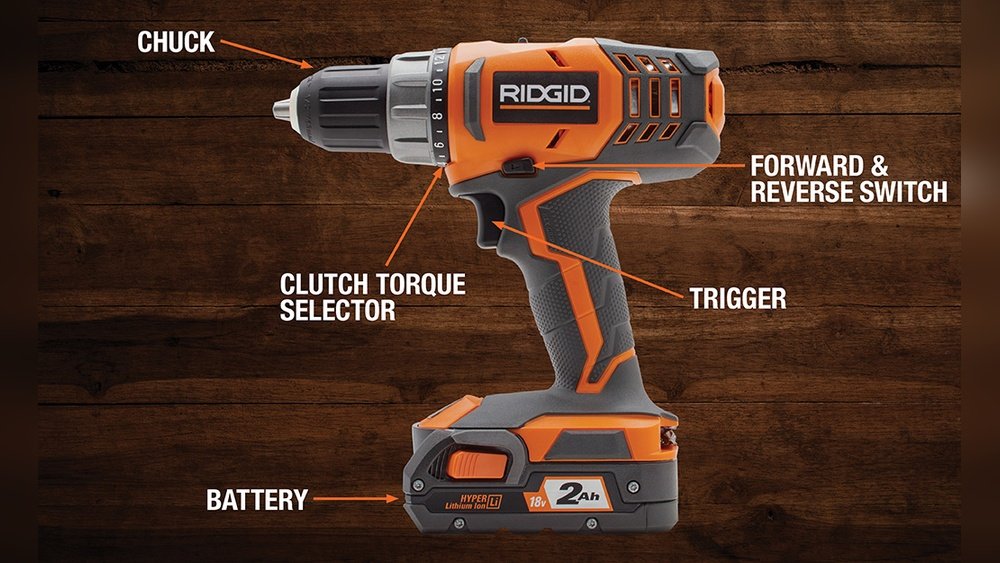
Start by choosing the right drill bit for your task. Hold the drill firmly and open the chuck by turning it counterclockwise. Insert the drill bit straight into the chuck. Tighten the chuck by turning it clockwise until the bit is secure. Check that the bit does not wobble or move.
Adjusting Speed And Torque Settings
Most cordless drills have speed and torque controls. Use lower speed for drilling into metal or soft materials. Higher speed works well for wood or fast drilling. Adjust torque to control the force. Lower torque prevents overdriving screws. Higher torque helps with tough materials.
Proper Drilling Techniques
Hold the drill with both hands for better control. Keep the drill bit perpendicular to the surface. Start drilling slowly to avoid slipping. Apply steady pressure, but do not force the drill. Let the drill do the work. Pull the bit out carefully after drilling.
Handling Common Drilling Tasks
Handling common drilling tasks with a cordless drill can be simple and efficient. Understanding the right approach for different materials helps achieve clean and accurate holes. Safety and the correct drill bits are key. Below, find easy steps for drilling into wood, metal, and masonry.
Drilling Into Wood
Choose a wood drill bit with a sharp point. Mark the spot to drill with a pencil. Hold the drill steady and start at low speed. Increase speed as the bit digs into the wood. Apply light pressure, letting the drill do the work. Pull the bit out slowly after the hole is complete.
Drilling Into Metal
Use a metal drill bit, often made of high-speed steel. Secure the metal piece to avoid movement. Mark the drilling spot clearly. Start drilling at a slow speed to prevent overheating. Use cutting oil to keep the bit cool. Increase speed slightly and keep steady pressure. Clean metal shavings from the hole after drilling.
Drilling Into Masonry
Select a masonry bit with a carbide tip. Attach the drill’s hammer function if available. Mark the spot on the brick or concrete. Begin drilling slowly to create a guide hole. Increase speed and apply firm pressure. Avoid pushing too hard to prevent bit damage. Clear dust from the hole before inserting anchors or screws.
Maintaining Your Cordless Drill
Maintaining your cordless drill keeps it working well for a long time. Proper care helps avoid problems and saves money on repairs. Small habits make a big difference in your drill’s performance and life.
Cleaning And Storage Tips
After using your drill, wipe it with a dry cloth. Remove dust and dirt from vents and moving parts. Use a small brush to clean hard spots. Store the drill in a dry, cool place away from sunlight. Keep it in its case to protect from damage and dust. Avoid leaving the drill in damp or hot areas.
Battery Care And Charging
Charge the battery before it is completely empty. Use the charger that came with your drill. Avoid overcharging by unplugging once fully charged. Store batteries in a cool, dry place. Do not expose batteries to extreme heat or cold. Remove the battery from the drill if not used for a long time.
Troubleshooting Common Issues
If the drill does not start, check the battery charge first. Clean the contacts between the battery and drill if needed. If the drill stops suddenly, the motor might be overheating. Let it cool down before using again. Check for loose screws or parts if the drill makes noise. Tighten or replace parts to avoid damage.

Credit: www.blackanddecker.com

Credit: www.youtube.com
Frequently Asked Questions
How Do I Choose The Right Cordless Drill?
Select a cordless drill based on power, battery life, and weight. Consider your project type and budget. Check for adjustable speed settings and ergonomic design for comfort. Choose a drill with sufficient torque for your tasks to ensure efficiency and ease of use.
What Safety Tips Should I Follow Using A Cordless Drill?
Always wear safety goggles and gloves when drilling. Keep your work area clean and well-lit. Secure your workpiece properly before drilling. Avoid loose clothing and tie back long hair to prevent accidents. Use the drill at recommended speeds to prevent damage or injury.
How Do I Properly Maintain A Cordless Drill?
Regularly clean your drill and check for loose parts. Charge the battery fully before storage and avoid overcharging. Lubricate moving parts as needed to ensure smooth operation. Store the drill in a dry place to prevent rust and damage.
Can I Use A Cordless Drill For Metal Drilling?
Yes, but use a drill bit specifically designed for metal. Start at a low speed to prevent overheating. Apply steady pressure without forcing the drill. Use cutting oil to keep the bit cool and extend its life. Always wear protective gear to stay safe.
Conclusion
Using a cordless drill is easier than it seems. Follow each step carefully and stay safe. Always check the drill’s battery before starting. Hold the drill firmly to avoid slips. Practice on scrap wood to gain confidence. Soon, you will complete tasks faster and cleaner.
Remember, patience and practice help you improve. Keep your drill clean and store it properly. Enjoy your projects and the power of your cordless drill. Simple steps lead to great results every time.
