


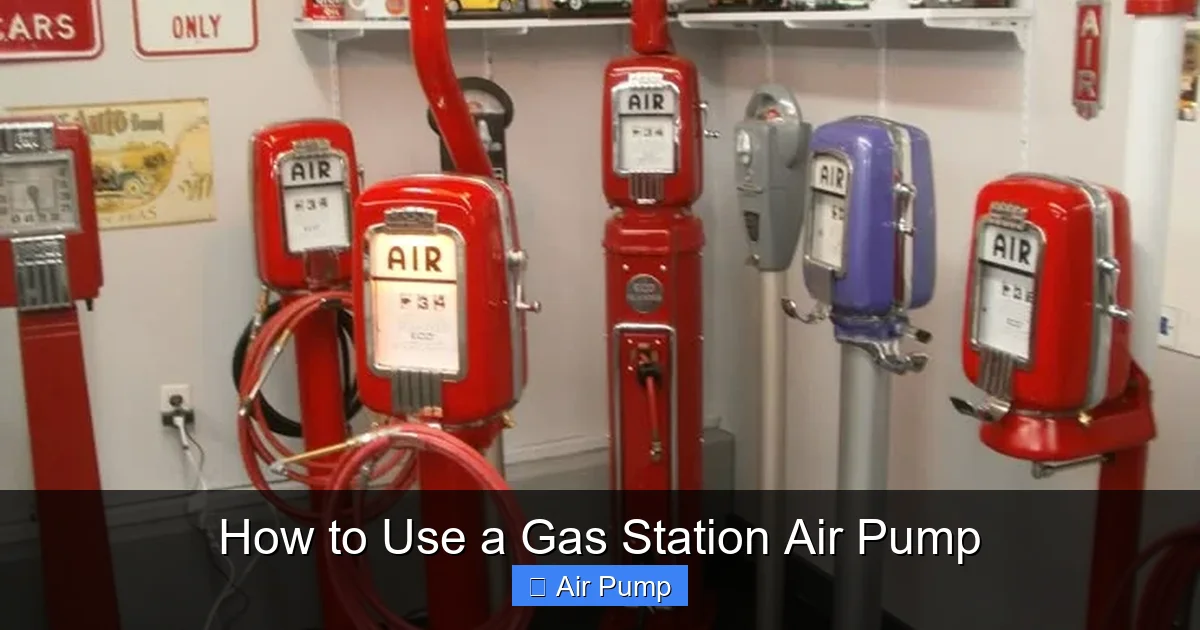
Using a gas station air pump is simple when you follow the right steps. This guide will walk you through the process, from preparing your vehicle to troubleshooting common issues. Whether you’re topping off your tires or fixing low pressure, you’ll gain the confidence to use an air pump safely and efficiently.
Key Takeaways
- Preparation is key: Check your tire pressure with a gauge before using the pump to determine how much air is needed.
- Locate the air pump: Find the nearest air pump station at the gas station and ensure it’s powered and functional.
- Attach the nozzle correctly: Securely connect the air hose nozzle to your tire valve to prevent leaks.
- Monitor the pressure: Use the pump’s gauge or your own to avoid over-inflating your tires.
- Be patient and cautious: Inflate slowly, stopping periodically to check pressure, and avoid over-inflation which can damage tires.
- Troubleshoot if needed: If the pump isn’t working, check for power issues or try a different pump station.
Introduction
Using a gas station air pump might seem straightforward, but there are some best practices to ensure you do it safely and correctly. Proper tire inflation improves your vehicle’s fuel efficiency, safety, and tire lifespan. In this guide, we’ll walk you through each step, from preparing your vehicle to troubleshooting common problems. By the end, you’ll feel confident using any gas station air pump.
Step 1: Prepare Your Vehicle and Gather Tools
Check Your Tire Pressure
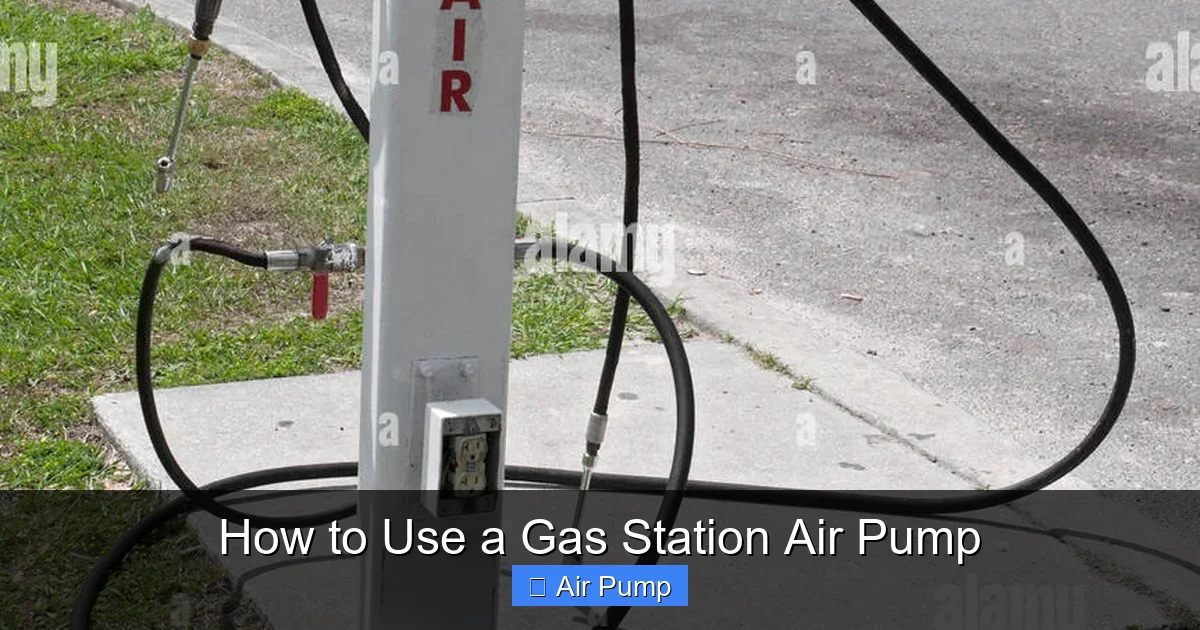
Before heading to the gas station, know your tire’s recommended pressure. You can find this information in your vehicle’s owner’s manual or on a sticker inside the driver’s door. Use a reliable tire pressure gauge to check your current tire pressure. This step helps you determine how much air you need to add.
Visual guide about How to Use a Gas Station Air Pump
Image source: c8.alamy.com
Gather Necessary Items
- Tire pressure gauge: For accurate measurement before and after inflation.
- Access to a power source: Most gas station air pumps are powered by the station’s electricity or built-in generators.
- Optional: A portable air compressor for home use if you prefer to check pressure at home.
Step 2: Find and Prepare the Air Pump Station
Locate the Air Pump
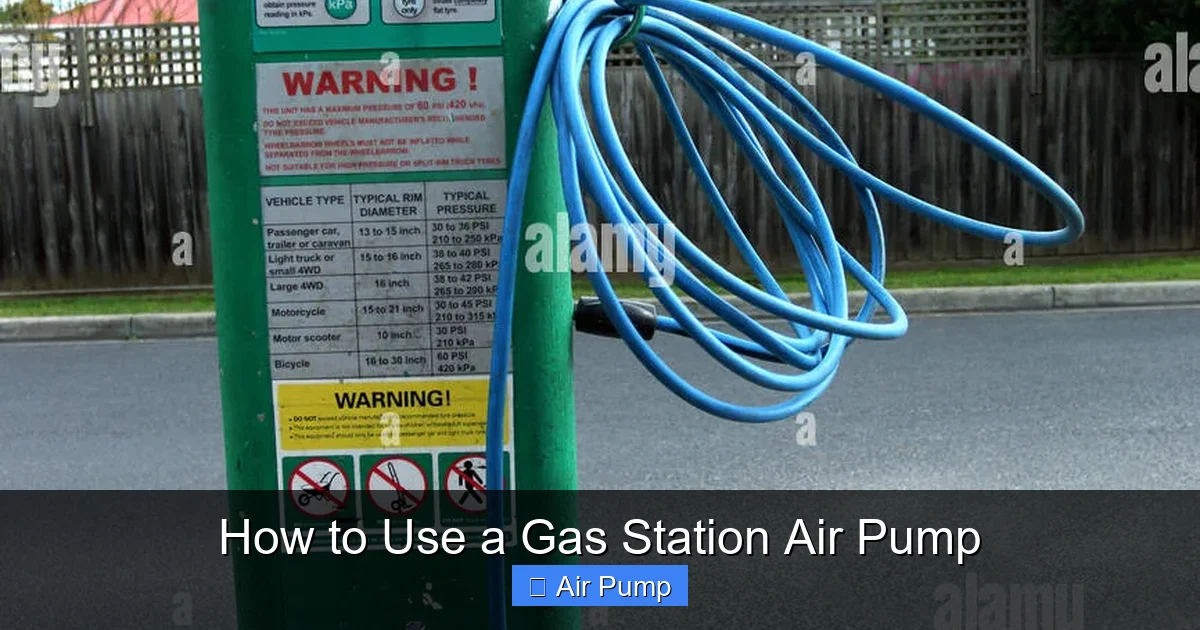
Most gas stations have multiple air pumps; they are usually marked clearly with signs. Look for an air compressor station with a digital or analog gauge, and ensure it’s functional. Sometimes, there’s a dedicated area for tire inflation.
Visual guide about How to Use a Gas Station Air Pump
Image source: c8.alamy.com
Inspect the Equipment
Check if the pump is working. Look for signs of damage or if the power cord is plugged in. If the pump has a digital display, turn it on and wait for it to initialize. If it’s not working, try another station or ask station staff for assistance.
Step 3: Attach the Air Pump to Your Tire
Remove the Valve Cap
Unscrew the cap from your tire valve and set it aside. Keep it in a safe place so you can replace it after inflating.
Connect the Nozzle
Take the air hose nozzle and press it onto the tire valve. Most nozzles have a lever or screw mechanism to secure it in place. Ensure it’s tightly attached to prevent air leaks during inflation.
Check for Leaks
Once connected, gently tug on the nozzle to make sure it’s secure. If the nozzle isn’t attached properly, air can escape, leading to inaccurate pressure readings or incomplete inflation.
Step 4: Inflate the Tire
Turn On the Pump
Activate the pump by pressing the power button. Some pumps automatically start when you connect the nozzle, while others require manual activation.
Monitor the Pressure
Use the pump’s built-in gauge or your own tire pressure gauge to monitor the pressure. If the pump has a digital display, it will show the current pressure as you inflate. Check frequently to avoid over-inflation.
Adjust as Needed
If your tire reaches the recommended pressure, turn off the pump. If not, continue inflating slowly, checking pressure regularly. Remember, inflating too quickly can cause the tire to heat up and expand, so take your time.
Step 5: Final Checks and Replacing Valve Caps
Remove the Nozzle
Once your tire is properly inflated, carefully detach the nozzle. Listen for any hissing sounds indicating air leaks. If you hear any, reattach the nozzle securely and recheck pressure.
Replace the Valve Cap
Screw the valve cap back onto the tire valve. This prevents dirt and debris from entering the valve, which could cause leaks or damage.
Verify Pressure
Use your tire pressure gauge to confirm the pressure is correct. Adjust if necessary by adding or releasing air.
Additional Tips for Safe and Efficient Use
- Inflate slowly: Rapid inflation can heat tires and cause damage.
- Avoid over-inflation: Over-inflated tires can burst or reduce traction.
- Use the right pressure: Always follow your vehicle’s recommended tire pressure.
- Check all tires: Don’t forget to check and inflate all tires, including the spare.
- Be mindful of weather: In hot weather, tires may expand, so check pressure when tires are cold for accuracy.
Troubleshooting Common Issues
Pump Not Turning On
If the air pump doesn’t power up, check if it’s plugged in or if there’s a power outage. Sometimes, switches are located on the pump or nearby. If still not working, try another pump station.
Air Hose Leaking
If you hear hissing sounds or notice no pressure increase, recheck the nozzle connection. Make sure it’s tightly attached. If the hose is damaged, inform station staff or try a different pump.
Incorrect Pressure Readings
Ensure your tire pressure gauge is accurate. Also, check if the pump’s gauge is working correctly. Cross-check with your own gauge if necessary.
Conclusion
Using a gas station air pump is a quick and easy process once you know the steps. Remember to check your tire pressure beforehand, connect the nozzle securely, inflate slowly, and verify the pressure regularly. Proper tire inflation not only extends tire life but also improves safety and fuel efficiency. With these tips, you’ll be able to handle any gas station air pump confidently and safely.
