



If you’ve ever struggled with drilling holes in metal or hard surfaces, a magnetic drill can change everything for you. This powerful tool sticks firmly to metal, giving you precision and stability that’s hard to achieve with a regular drill.
Imagine finishing your project faster, with cleaner holes and less effort. Whether you’re a beginner or experienced, learning how to use a magnetic drill correctly will save you time and improve your results. Keep reading to discover simple steps and expert tips that will make your next drilling job easier and more professional.
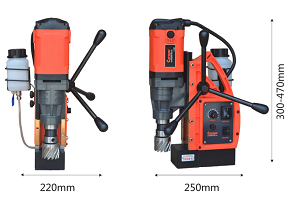
Credit: www.gz-supplies.com
Magnetic Drill Basics
A magnetic drill is a powerful tool used for drilling holes in metal surfaces. It works by sticking firmly to metal, so it does not move during drilling. This makes drilling safer and more accurate. Understanding the basics helps you use the tool well and get better results.
Magnetic drills are common in construction, metalworking, and manufacturing. They are different from regular drills because of their magnetic base. Learning how they work and their key parts is important before starting to use one.
Key Components
A magnetic drill has several main parts. The magnetic base holds the drill tightly to metal surfaces. The motor powers the drill bit to cut through metal. The drill bit itself is the part that makes the hole. The control panel lets you turn the drill on and off and adjust speed. Some models have a coolant system to keep the drill cool.
How It Works
The magnetic base creates a strong magnetic field. This field sticks the drill to the metal surface. The motor spins the drill bit at high speed. The drill bit cuts into the metal as it spins. The magnetic hold stops the drill from slipping or moving. This helps make clean, straight holes. The user controls the speed and pressure while drilling.
Types Of Magnetic Drills
There are several types of magnetic drills. Portable magnetic drills are small and easy to carry. They fit tight spaces and light jobs. Heavy-duty magnetic drills are larger and stronger. They can drill bigger holes in thick metal. Cordless magnetic drills run on batteries. They offer freedom from power cords but have limited run time. Each type suits different tasks and work sites.
Essential Safety Tips
Using a magnetic drill safely is very important. It helps avoid accidents and injuries. Following safety tips makes your work easier and more effective. This section covers key safety points for using a magnetic drill.
Personal Protective Gear
Wear safety glasses to protect your eyes from flying debris. Use ear protection to guard against loud noise. Put on gloves to protect your hands from sharp edges. Wear a dust mask if you work in dusty conditions. Use sturdy shoes to protect your feet from falling objects.
Work Area Preparation
Clear the area around your work space. Remove any loose items that can cause tripping. Ensure good lighting to see your work clearly. Keep the floor dry to avoid slips. Use barriers to keep others away from the drill zone.
Handling And Maintenance
Check the drill and magnets before starting work. Make sure the drill bit is sharp and properly fixed. Clean the drill after use to remove metal shavings. Store the drill in a safe, dry place. Follow the manufacturer’s instructions for regular maintenance.
Setting Up Your Magnetic Drill
Setting up your magnetic drill correctly is important for safe and accurate work. A good setup helps the drill hold firmly and cut smoothly. This section guides you through the basic steps to prepare your magnetic drill for use.
Follow these simple steps to get ready for drilling with confidence.
Choosing The Right Drill Bit
Select a drill bit that fits the material and hole size needed. Use bits designed for metal cutting, like annular cutters or twist drills. Check the bit’s diameter matches the hole you want. Using the correct bit improves cutting speed and hole quality. Avoid using dull or damaged bits to prevent accidents.
Securing The Drill
Place the magnetic drill on a clean, flat metal surface. Make sure the surface is free from dirt and rust. Turn on the magnetic base to hold the drill firmly in place. This strong grip stops the drill from moving during work. Do not use the drill if the magnet does not hold tightly.
Power And Magnetic Base Check
Check the power supply and cables for any damage before starting. Ensure the drill is plugged into a proper power source. Test the magnetic base by switching it on and off to confirm it works well. A strong magnetic hold is essential for safety and accuracy. Always follow the manufacturer’s instructions for your drill model.

Credit: www.thefabricator.com
Step-by-step Drilling Process
The step-by-step drilling process with a magnetic drill ensures safe and accurate results. Following clear steps helps you work efficiently. Each stage matters to get the best outcome. This guide breaks down the process into easy parts.
Marking The Drill Spot
Begin by marking the exact spot to drill. Use a marker or center punch for accuracy. A clear mark guides the drill bit precisely. Check the measurement twice before marking. This step prevents mistakes and saves time.
Positioning The Drill
Place the magnetic drill on the marked spot. Ensure the magnet sticks firmly to the metal surface. The drill must be stable and straight. Adjust the position if the drill is not level. Proper positioning avoids uneven holes and tool damage.
Starting And Controlling The Drill
Turn on the drill at a slow speed first. Let the bit touch the marked spot gently. Apply steady pressure without forcing the drill. Increase speed gradually as the bit cuts deeper. Keep control to avoid slips and maintain safety.
Troubleshooting Common Issues
Troubleshooting common issues with a magnetic drill helps keep your work smooth. Problems can slow down your job or cause poor results. Fixing these issues fast saves time and effort. Here are some common problems and easy ways to solve them.
Magnet Not Holding
Check if the surface is clean and flat. Dirt or rust can stop the magnet from sticking well. Use a wire brush to clean the metal surface. Make sure the metal is thick enough for the magnet to work. Thin or painted metal may reduce magnetic force. Also, test the magnet by turning it on and off. If it still does not hold, the magnet might be weak or damaged. Consider repairing or replacing it.
Drill Bit Slipping
Slipping drill bits waste time and damage holes. Tighten the chuck firmly to hold the bit in place. Use the right size and type of drill bit for your material. Check the bit for wear or damage. Worn bits slip more easily. Apply steady pressure while drilling. Avoid forcing the bit too hard. Lubricate the bit for metal drilling to reduce friction. Replace the bit if it keeps slipping.
Uneven Drilling
Uneven holes can ruin your project. Ensure the magnetic base is fully attached before starting. Check that the drill is perpendicular to the surface. Use a level or square to guide your drill. Drill at a steady speed without pushing too fast. Uneven pressure causes the bit to wander. Change dull or bent bits that cause rough holes. Support the workpiece securely to prevent movement.
Maintenance And Care
Proper maintenance and care keep your magnetic drill working well. It helps the tool last longer and stay safe to use. Regular care prevents breakdowns and saves money on repairs.
Cleaning After Use
Wipe the drill clean after every job. Remove dust, metal chips, and dirt from all parts. Use a soft cloth or brush for hard-to-reach areas. Avoid water or harsh chemicals that can cause rust.
Inspecting Components
Check the drill’s parts regularly for damage. Look for cracks, loose screws, or worn-out parts. Make sure the magnet base is strong and clean. Replace damaged parts quickly to avoid accidents.
Storage Tips
Store the magnetic drill in a dry, cool place. Keep it away from moisture and dust. Use a protective case or cover to prevent scratches. Always unplug and secure the drill before storing.
Advanced Tips For Precision
Precision is key when using a magnetic drill. Small mistakes can cause big problems. Advanced tips help you work with more accuracy and safety. These tips focus on controlling the drill and protecting the material.
Using Pilot Holes
Start with a small pilot hole before drilling the final size. It guides the drill bit and stops it from slipping. Pilot holes make drilling easier and more precise. This step is very helpful for thick or hard metals.
Adjusting Drill Speed
Change the drill speed based on the material type and thickness. Slow speed works best for hard metals to avoid overheating. Faster speed suits softer metals and thinner materials. Proper speed helps the drill cut smoothly and lasts longer.
Cooling Techniques
Keep the drill bit cool to prevent damage. Use cutting oil or water to cool the bit during drilling. Cooling reduces friction and stops the metal from melting. It also improves the drill bit’s life and keeps holes clean.

Credit: www.youtube.com
Frequently Asked Questions
What Is A Magnetic Drill Used For?
A magnetic drill is used for drilling precise holes in metal surfaces. It uses a strong magnet to attach securely to steel, ensuring stability and accuracy during drilling tasks.
How Do You Operate A Magnetic Drill Safely?
To operate safely, secure the drill on a clean metal surface. Wear protective gear and ensure the magnet is fully engaged before starting the drill.
Can Magnetic Drills Drill Through Thick Metal?
Yes, magnetic drills can drill through thick metal, depending on the drill bit and motor power. They are ideal for heavy-duty metalwork.
How Do You Maintain A Magnetic Drill?
Regularly clean the magnet base and drill bits. Lubricate moving parts and check electrical connections to ensure long-lasting performance and safety.
Conclusion
Using a magnetic drill can make metalwork easier and faster. Always check the drill’s magnet before starting. Keep your work area clean and safe. Use the right drill bits for the job. Take your time and stay steady while drilling.
Practice helps you improve your skills. Safety gear protects you from harm. With these steps, you can work confidently and get good results. Try these tips next time you use a magnetic drill. It’s a simple tool that can help a lot.
