


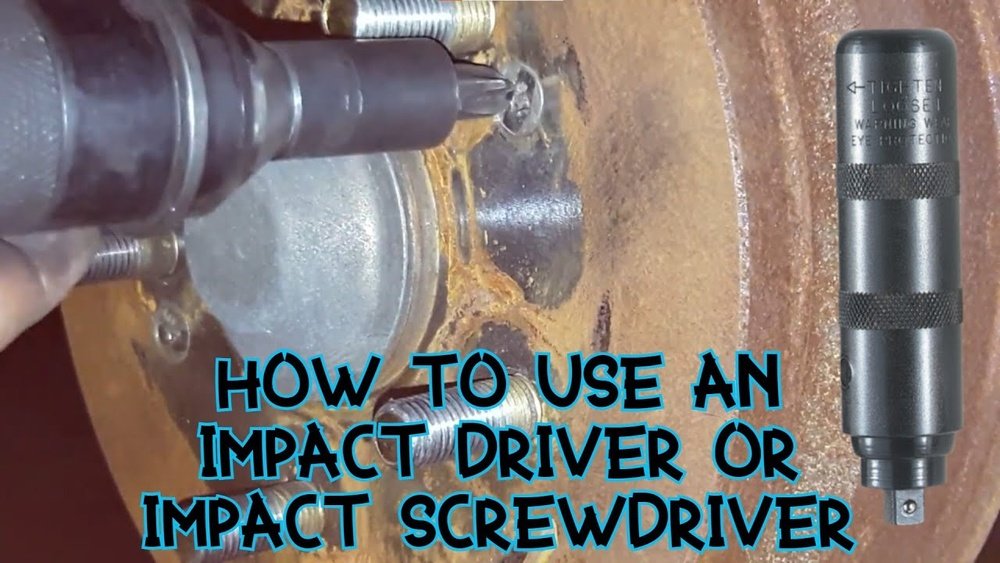
Have you ever struggled with a stuck screw that just won’t budge? A manual hand impact driver might be the tool you need to solve that problem quickly and easily.
It’s simple to use, powerful, and can save you a lot of frustration. In this guide, you’ll learn exactly how to use a manual hand impact driver like a pro—no technical jargon, just clear steps you can follow right now.
Keep reading, and you’ll discover tips that make your work faster and your results better every time.
Choosing The Right Impact Driver
Choosing the right manual hand impact driver is important for effective work. The right tool makes loosening tight screws easier. It also prevents damage to screws and surfaces.
Knowing the types and features helps pick the best driver. Safety is also key to avoid injuries during use.
Types Of Manual Impact Drivers
Manual impact drivers come in different styles. The most common are the standard and ratchet types. Standard drivers hit directly when you strike the handle. Ratchet types allow continuous rotation without lifting the tool. Some drivers include interchangeable bits for various screws. Choose a type based on your project needs and comfort.
Essential Features To Look For
Strong construction means the driver lasts longer. Look for steel or alloy materials. A comfortable grip reduces hand strain during use. Check if the driver fits common screw sizes. Some models offer anti-slip handles for better control. Weight matters too; a lighter driver is easier to handle. Choose a driver that feels balanced in your hand.
Safety Gear And Precautions
Wear safety glasses to protect eyes from flying debris. Gloves protect hands from sharp edges and impact. Use ear protection if working in noisy areas. Always strike the driver with a proper hammer. Avoid loose clothing that can get caught. Keep your workspace clean to prevent accidents. Follow all safety instructions in the tool manual.

Credit: www.liftingitalia.com
Preparing For Use
Preparing your manual hand impact driver for use is essential for safe and effective work. Taking time to get ready helps avoid damage to tools and fasteners. It also makes your task easier and faster.
Follow simple steps before starting. Check your tools and workspace carefully. This way, you will be ready to work confidently and safely.
Selecting Appropriate Bits
Choose bits that match your fasteners exactly. Use the right size and type for screws or bolts. A wrong bit can strip the fastener or damage the driver.
Check the bit material. Hardened steel bits work best for tough jobs. Keep a few extra bits nearby for quick changes.
Setting Up The Work Area
Clear the area of clutter and hazards. Good lighting helps you see the fastener clearly. Make sure you have a stable surface to work on.
Keep your hands dry and clean. Avoid slippery gloves or oily surfaces. This reduces the risk of slipping or injury.
Inspecting The Driver And Bits
Look over your impact driver for cracks or wear. Check that the handle is secure and comfortable. Loose parts can cause accidents or poor performance.
Examine your bits for chips or bends. Damaged bits can break or slip during use. Replace any worn or broken bits before starting your work.
Techniques For Using A Manual Impact Driver
Using a manual hand impact driver correctly makes tough jobs easier. This tool breaks loose stuck screws and bolts with sharp impacts. The right technique improves safety and saves effort. Focus on hand and body placement, force control, and impact actions.
Proper Hand And Body Positioning
Hold the impact driver firmly with one hand on the handle. Use your other hand to steady the bit or socket. Stand with feet shoulder-width apart for balance. Keep your body close to the tool for control. Avoid awkward angles that reduce power.
Applying The Right Amount Of Force
Press the impact driver against the fastener with steady pressure. Too little force wastes energy and may slip. Too much force can damage the tool or fastener. Find a firm but comfortable grip. Let the tool do most of the work.
Twisting And Impacting Methods
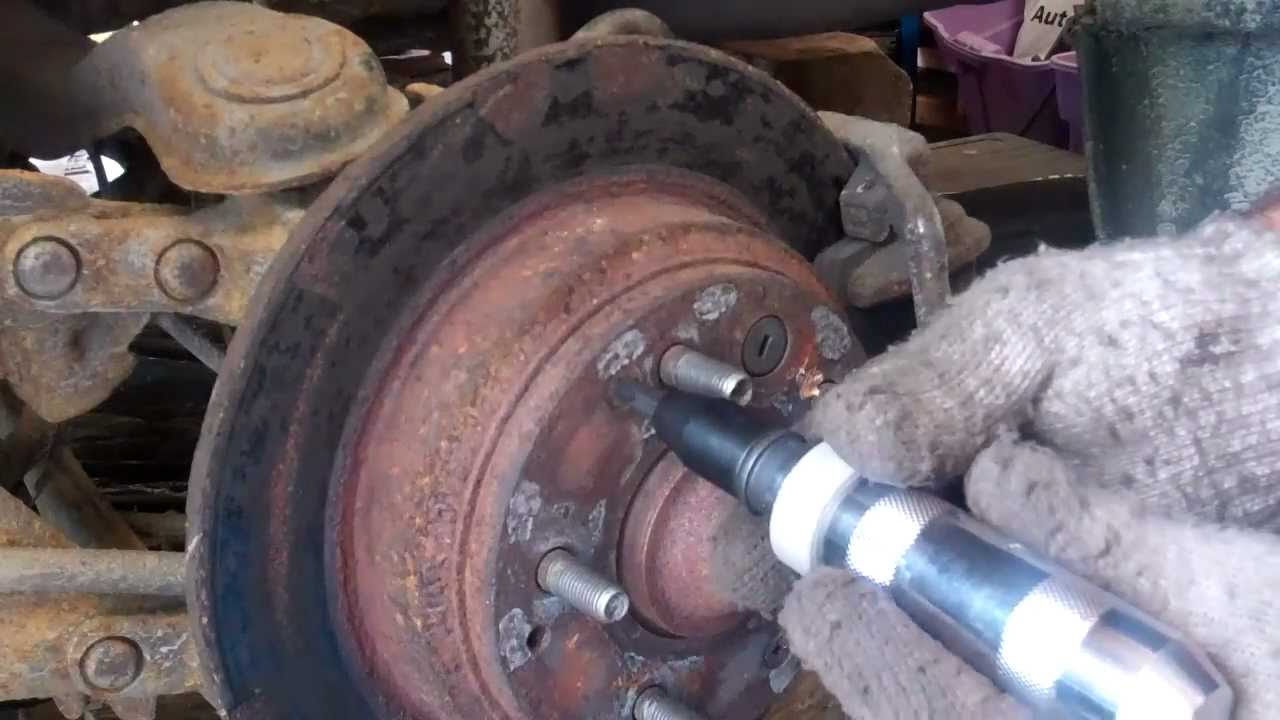
Turn the driver slightly before striking it with a hammer. The twisting motion helps loosen the fastener. Use sharp, controlled hammer strikes to activate the impact mechanism. Avoid hitting too hard or off-center. Repeat the process until the fastener moves freely.
Credit: www.youtube.com
Common Challenges And Solutions
Using a manual hand impact driver can sometimes be tricky. Certain problems often appear during use. Knowing common challenges helps you work better and faster. Simple solutions can save time and avoid damage. Below are some common issues and easy ways to fix them.
Dealing With Stuck Or Rusted Screws
Stuck screws are a frequent problem. Rust makes screws harder to turn. Spray a small amount of lubricant on the screw. Let it sit for a few minutes. Use the impact driver with steady, strong hits. This helps break the rust and loosen the screw. Avoid forcing too hard to prevent damage.
Avoiding Bit Slippage And Damage
Bit slippage happens when the driver bit slips out of the screw head. This can strip the screw or harm the bit. Choose the right bit size for each screw. Press the driver firmly before hitting it. Keep the bit straight to the screw. Replace worn bits to keep good grip and control.
Handling Different Materials
Different materials need different care. Soft wood can split if you hit too hard. Use gentle taps on delicate surfaces. Metal screws require stronger impacts but avoid overdoing it. For plastics, use low force to avoid cracks. Adjust your power based on the material to protect your work.
Maintaining Your Impact Driver
Maintaining your manual hand impact driver helps keep it working well for a long time. Regular care stops rust and damage. It also makes sure your tool stays safe to use. Spend a few minutes on maintenance after each use. This keeps the driver ready for your next project.
Cleaning After Use
Remove dirt and dust from the impact driver after every use. Wipe the surface with a clean, dry cloth. Use a small brush to clear debris from tight spots. Avoid using water or harsh chemicals. Dry the tool completely before storing it. Clean tools last longer and perform better.
Lubrication Tips
Apply light machine oil to moving parts regularly. Focus on the chuck and hammer mechanism. Use just a few drops to avoid excess oil. Wipe off any extra to prevent dust buildup. Lubrication reduces friction and wear. It keeps the impact driver smooth and easy to use.
Storage Recommendations
Store your impact driver in a dry, cool place. Keep it away from moisture and direct sunlight. Use a toolbox or case to protect it from dust and damage. Avoid leaving the tool in damp or hot areas. Proper storage prevents rust and extends tool life.
Diy Projects Using A Manual Impact Driver
Manual hand impact drivers are useful tools for many DIY tasks. They give extra force to loosen tight screws and bolts. This makes jobs easier and faster. Their simple design means no need for batteries or electricity. Many home projects benefit from this tool’s power and control.
Here are some common DIY projects where a manual impact driver proves handy. Each task becomes simpler with the right technique.
Simple Repairs
Manual impact drivers help remove rusty or stuck screws. They add strong, precise torque without damaging the screw head. Fixing appliances, doors, or electronics becomes less frustrating. The tool’s impact action breaks free tight fasteners quickly. This saves time and effort on common home repairs.
Furniture Assembly
Building or fixing furniture often needs tight screws. Using a manual impact driver speeds up this process. It provides steady power to drive screws fully without slipping. This tool helps keep wood from splitting during assembly. It ensures a solid, secure build for chairs, tables, or cabinets.
Outdoor Projects
Outdoor tasks like fence building or deck repair require strong fastening. Manual impact drivers handle thick screws in tough wood easily. They work well in places without power access. The driver’s control improves accuracy on uneven surfaces. It makes outdoor construction safer and more efficient.

Credit: www.amazon.ae
Frequently Asked Questions
What Is A Manual Hand Impact Driver Used For?
A manual hand impact driver loosens stubborn screws and bolts. It delivers high torque through striking force. It is ideal for rusted or over-tightened fasteners.
How Do You Safely Operate A Manual Impact Driver?
Hold the tool firmly and align the bit properly. Strike the driver’s end with a hammer. Always wear safety glasses to protect your eyes from debris.
Can A Manual Impact Driver Damage Screws?
If used correctly, it reduces screw damage by applying controlled torque. However, improper use or wrong bits may strip or damage screws.
What Types Of Screws Work Best With Impact Drivers?
Manual impact drivers work best with Phillips, slotted, and hex screws. Using the correct bit size ensures maximum grip and prevents damage.
Conclusion
Using a manual hand impact driver makes loosening tight screws easier. Hold the tool firmly and strike it with a hammer for best results. Always wear safety glasses to protect your eyes. Practice a few times to get comfortable with the motion.
This tool saves time and effort on tough tasks. Keep it clean and store it properly after use. With patience and care, you can handle stubborn screws without damage. Simple steps lead to better results and less frustration. Give it a try next time you face a stuck screw.
