


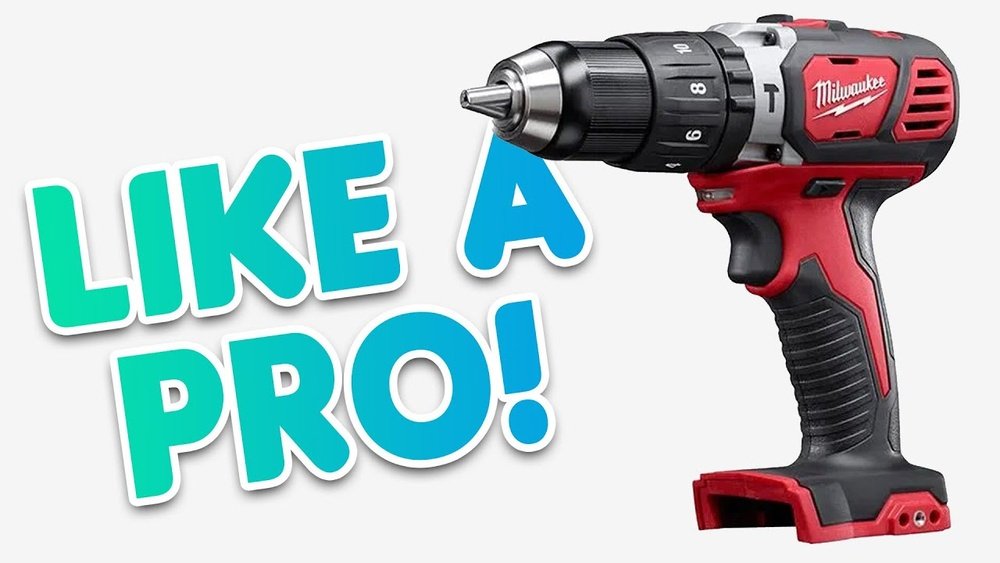
If you’ve just got your hands on a Milwaukee cordless drill, you might be wondering how to get the most out of it. This powerful tool can make your projects faster and easier, but only if you know how to use it right.
In this guide, you’ll discover simple steps to master your drill, avoid common mistakes, and work safely every time. By the end, you’ll feel confident tackling any drilling or screwing task with ease. Ready to unlock the full potential of your Milwaukee cordless drill?
Let’s dive in!
Choosing The Right Milwaukee Drill
Choosing the right Milwaukee drill is important for your projects. The right tool makes tasks easier and faster. Milwaukee offers many options. Each drill suits different needs. Understanding these choices helps you pick the best one.
Cordless Drill Models
Milwaukee has many drill models. Some are compact and light for small jobs. Others are heavy-duty for tough tasks. Choose a model based on your project size. Compact drills work well for home use. Larger models fit construction or heavy work.
Battery Types And Voltage
Battery power affects drill performance. Milwaukee uses lithium-ion batteries. These last long and charge fast. Voltage measures battery strength. Higher voltage means more power. For small jobs, 12V or 18V works fine. For hard tasks, choose 18V or higher.
Essential Accessories
Accessories improve drill use. Extra batteries keep you working without pause. Different drill bits help with wood, metal, or plastic. A carrying case keeps tools safe. Choose accessories that fit your drills and projects.
Preparing Your Drill For Use
Preparing your Milwaukee cordless drill before use makes your work easier and safer. Follow simple steps to get your drill ready quickly. Proper setup ensures better performance and longer battery life.
Charging The Battery
Start by charging the battery fully. Insert the battery into the charger. Plug the charger into a power outlet. Wait until the charger light shows the battery is full. A fully charged battery gives more power and lasts longer during use.
Installing The Battery Pack
Align the battery pack with the drill base. Slide the battery into place until it clicks. Make sure it fits tightly. A secure battery connection prevents power loss while drilling. Press the release button to remove the battery after use.
Attaching Drill Bits
Choose the right drill bit for your task. Open the drill’s chuck by turning it counterclockwise. Insert the drill bit into the chuck. Tighten the chuck by turning it clockwise until the bit is firm. Check the bit is straight to avoid wobbling during use.
Basic Drill Settings
Understanding the basic drill settings helps you use your Milwaukee cordless drill safely and effectively. These settings control how the drill works. Adjusting them correctly makes your work easier and protects your tools and materials.
Speed And Torque Controls
Speed controls how fast the drill bit spins. Higher speed is good for drilling small holes in soft materials. Lower speed works better for bigger holes or hard materials. Torque controls the drill’s twisting force. More torque helps with tough jobs like driving large screws. Adjusting speed and torque lets you match the drill to the task.
Clutch Adjustment
The clutch stops the drill when it meets resistance. This prevents overdriving screws or damaging the material. You can set the clutch to different levels. Use a low setting for small screws. Higher settings work for bigger screws or drilling. The clutch helps keep control and avoids stripping screws.
Forward And Reverse Modes
Forward mode spins the drill bit clockwise. This is for drilling holes or driving screws in. Reverse mode spins the bit counterclockwise. It helps remove screws or clear jams. Switching between these modes is easy with a button near the trigger. Use the right mode for each step of your work.
Step-by-step Drilling Process
Using a Milwaukee cordless drill is simple when you follow the right steps. The drilling process has clear stages. Each step helps you drill clean and accurate holes. This guide breaks down the process to make drilling easier and safer.
Marking Drill Points
Start by marking where you want to drill. Use a pencil or marker to create clear dots. Measure twice to ensure the marks are correct. Accurate marks help avoid mistakes and wasted materials.
Positioning The Drill
Hold the drill firmly with both hands. Align the drill bit with your marked point. Keep the drill straight and steady. A steady drill prevents slipping and uneven holes.
Applying Pressure
Apply light to moderate pressure on the drill. Too much force can damage the bit or material. Let the drill do the work with steady pressure. Maintain control to avoid sudden movements.
Drilling Techniques
Start drilling slowly to make a small pilot hole. Increase speed as the drill bit enters the material. Pull the drill out occasionally to clear debris. Use smooth, steady motions for the best results.
Using The Drill For Screwdriving
Using a Milwaukee cordless drill for screwdriving is simple and efficient. This tool saves time and effort on many home projects. It helps to drive screws quickly and with control. Understanding how to use it correctly will improve your results.
Selecting The Right Screwdriver Bit
Choose a bit that matches the screw head. Phillips, flathead, or Torx bits fit different screws. A tight fit prevents slipping and damage. Use high-quality bits for longer life. Keep bits clean and replace them if worn out.
Adjusting Torque For Screws
Set the drill’s torque to avoid overdriving screws. Low torque works for small or soft materials. Higher torque suits bigger or harder materials. Milwaukee drills have adjustable settings for this. Test on scrap wood to find the right level.
Driving And Removing Screws
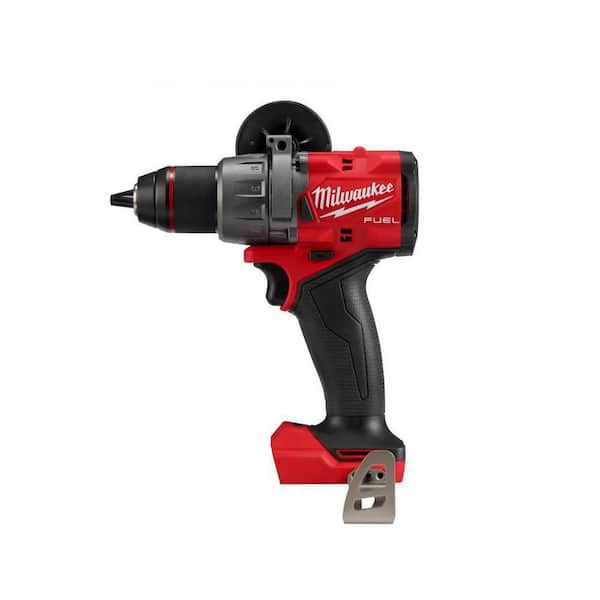
Hold the drill steady and start at low speed. Apply gentle pressure to keep the bit in place. Increase speed as the screw enters the material. To remove screws, reverse the drill’s direction. Work slowly to avoid stripping the screw head.
Credit: www.homedepot.com
Safety Tips And Maintenance
Using a Milwaukee cordless drill safely ensures your work goes smoothly. Proper maintenance keeps the drill working longer. Follow these safety tips and maintenance steps for best results.
Protective Gear
Always wear safety glasses to protect your eyes from dust and debris. Use gloves to avoid blisters and improve grip. Ear protection helps reduce noise impact on your hearing. Wear a dust mask when drilling in dusty areas. Proper shoes prevent slips and falls on job sites.
Battery Care
Charge the battery fully before use. Avoid letting the battery drain completely. Store batteries in a cool, dry place. Keep batteries away from metal objects to prevent short circuits. Use only Milwaukee-approved chargers to extend battery life.
Cleaning And Storage
Clean the drill after each use. Remove dust and dirt from vents and surfaces. Use a soft brush or cloth for cleaning. Store the drill in a dry, safe place. Avoid leaving the drill in extreme temperatures or damp areas.
Troubleshooting Common Issues
Using a Milwaukee cordless drill is simple, but sometimes issues may arise. Knowing how to troubleshoot common problems saves time and frustration. This guide covers easy fixes for typical drill issues.
Drill Not Starting
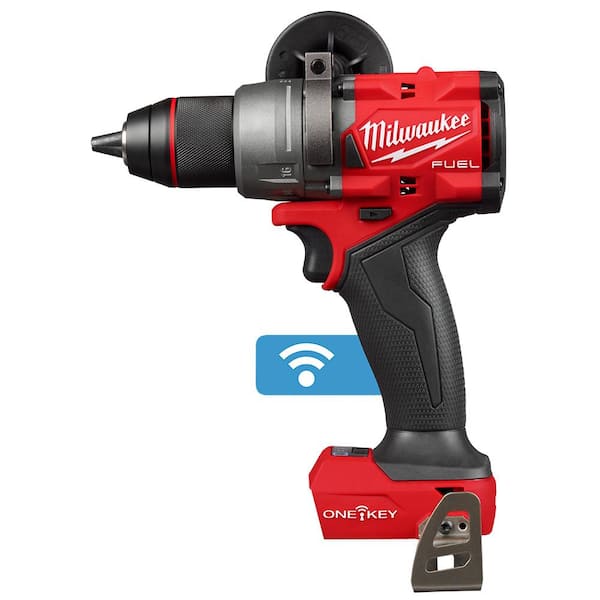
First, check if the battery is fully charged. A low battery stops the drill from working. Next, ensure the battery is properly connected to the drill. Dirt or dust on the contacts can block power. Clean the contacts with a dry cloth. Press the trigger fully. Sometimes the trigger switch may be faulty. If the drill still won’t start, test it with another battery. This step helps find if the drill or battery causes the problem.
Battery Problems
Batteries lose power over time. If your drill runs for a short time, the battery may be old. Store batteries in a cool, dry place to keep them healthy. Avoid leaving batteries fully drained. Charge them before storing. Use the charger that came with your drill for the best results. If the battery does not charge, check the charger and power outlet. Replace the battery if it does not hold a charge.
Drill Bit Slipping
Drill bit slipping means the bit moves in the chuck during use. Tighten the chuck firmly by hand. Use the chuck key if your drill has one. Choose the right drill bit size for your chuck. Bits that are too small slip easily. Clean the chuck and bit to remove dirt. Replace worn or damaged bits to prevent slipping.

Credit: www.youtube.com
Credit: www.homedepot.com
Frequently Asked Questions
How Do I Insert A Drill Bit Into A Milwaukee Cordless Drill?
To insert a drill bit, first loosen the chuck by turning it counterclockwise. Insert the bit fully, then tighten the chuck clockwise until secure. Ensure the bit is centered to prevent wobbling during use.
What Battery Type Does A Milwaukee Cordless Drill Use?
Milwaukee cordless drills use lithium-ion batteries. These batteries provide long run time, quick charging, and consistent power output for efficient drilling.
How Can I Adjust The Torque On A Milwaukee Drill?
Adjust the torque by rotating the clutch ring near the chuck. Higher numbers increase torque for tougher jobs, while lower settings prevent overdriving screws.
What Safety Precautions Should I Follow When Using This Drill?
Always wear safety glasses and gloves. Keep hair and loose clothing away. Use the correct drill bit and maintain a firm grip during operation.
Conclusion
Using a Milwaukee cordless drill is simple and effective. Choose the right drill bit for your task. Hold the drill firmly and apply steady pressure. Charge the battery fully before starting your work. Keep the drill clean and store it safely.
Practice helps you gain confidence and skill. Enjoy completing your projects with ease and precision. This tool saves time and effort around the home. Try different settings to find what works best. Keep safety in mind at all times. Your Milwaukee drill can help with many jobs.
