


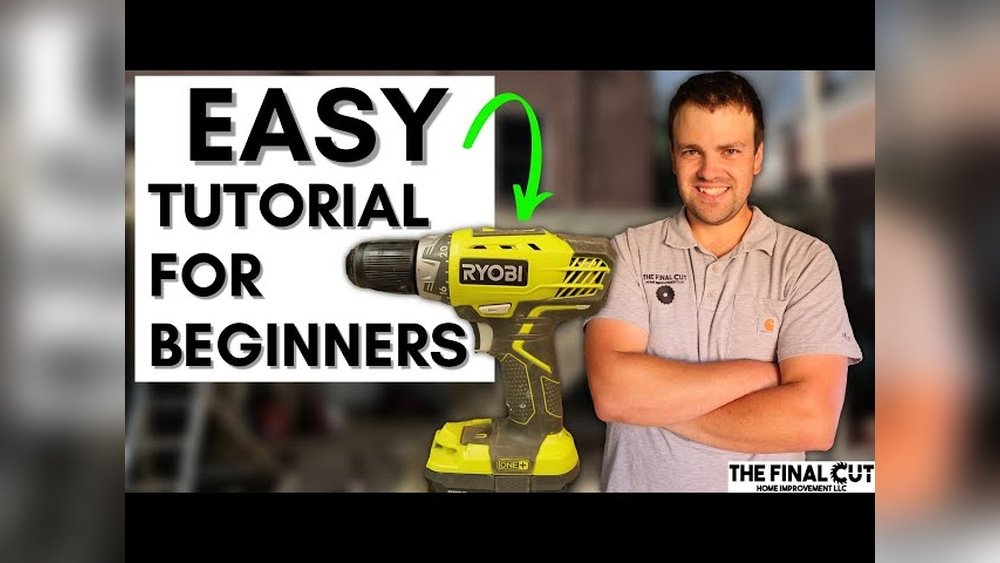
Are you ready to tackle your next DIY project with confidence? Knowing how to use a Ryobi cordless drill can make your work faster, easier, and more precise.
Whether you’re assembling furniture, hanging shelves, or fixing things around the house, this powerful tool is designed to help you get the job done right. In this guide, you’ll discover simple, step-by-step instructions to master your Ryobi cordless drill quickly.
Stick with me, and you’ll unlock the full potential of your drill, saving time and avoiding common mistakes along the way. Let’s get started!
Credit: www.homedepot.com
Choosing The Right Ryobi Drill
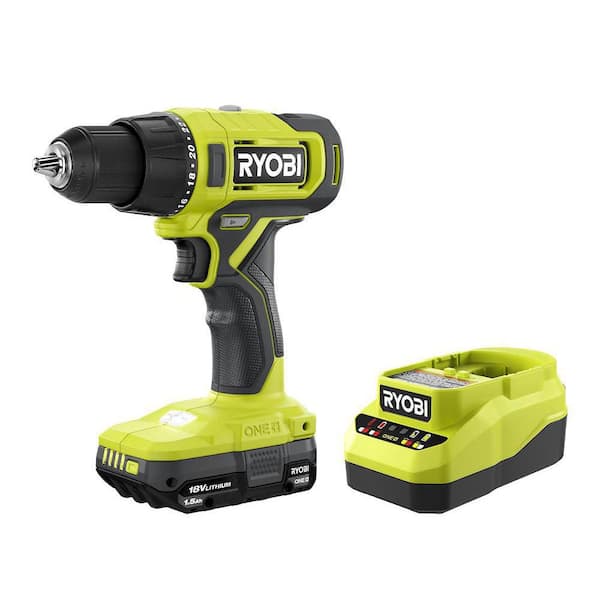
Choosing the right Ryobi cordless drill is important for your projects. The right drill makes work easier and faster. It also ensures you get the job done well. Understand your needs before picking a drill.
Think about the type of tasks you will do. Consider the drill’s power, size, and features. This helps you find a drill that fits your work style and budget.
Types Of Ryobi Cordless Drills
Ryobi offers various cordless drills for different jobs. The most common types include drill drivers and hammer drills. Drill drivers are perfect for drilling holes and driving screws.
Hammer drills add a hammering action for drilling into tough materials like concrete. Compact drills work well in tight spaces. Choose a drill that suits your project needs and comfort.
Battery Options And Features
Ryobi drills come with different battery types and sizes. Most use lithium-ion batteries for longer life and quick charging. Battery voltage affects the drill’s power and runtime.
Higher voltage means more power but may add weight. Some batteries have a charge indicator to show remaining power. Choose a battery that balances power and weight for your tasks.
Credit: www.homedepot.com
Basic Drill Components
Understanding the basic components of a Ryobi cordless drill helps you use it safely and effectively. Each part plays a role in making your drilling tasks easier. Knowing these parts boosts your confidence and improves your results.
Key Parts To Know
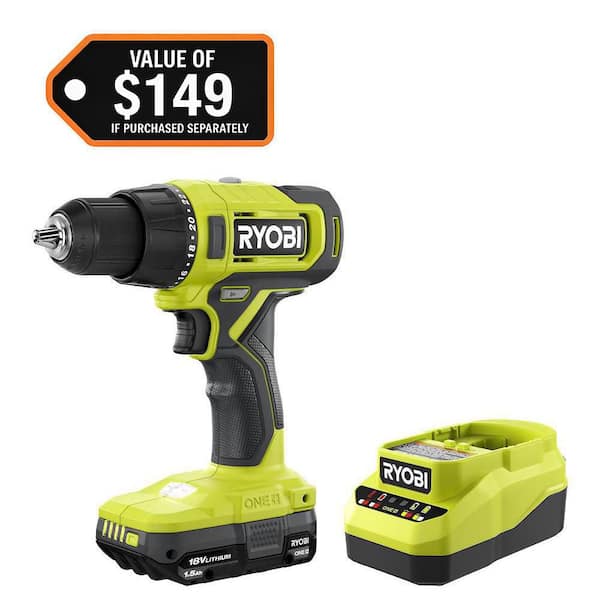
The main parts of a Ryobi cordless drill include the chuck, trigger, handle, and battery pack. The chuck holds the drill bit tightly in place. The trigger controls the drill’s speed. The handle provides a firm grip for better control. The battery pack powers the drill and is removable for charging.
Other parts include the torque adjustment ring and forward/reverse switch. The torque ring lets you set the drill’s power to avoid damage. The forward/reverse switch changes the drill’s rotation direction for driving or removing screws.
Battery Installation And Removal
To install the battery, slide it into the base of the drill until it clicks. The click means the battery is locked securely. To remove, press the release buttons on the battery sides and pull it out gently. Always remove the battery before changing bits or doing maintenance.
Preparing For Drilling
Preparing for drilling is the first step to use a Ryobi cordless drill safely and effectively. It helps to get the best results and avoid mistakes. Taking time to prepare saves effort and protects your workpiece. Follow simple steps before you start drilling.
Selecting The Correct Drill Bit
Choose a drill bit that matches your material. Wood, metal, and plastic need different bits. Look at the size too. The bit should fit the screw or hole size you want. Using the wrong bit can damage your project or the drill. Check the bit for any damage or wear. Replace dull or broken bits. Secure the bit tightly in the drill chuck to prevent slipping.
Setting The Speed And Torque
Adjust speed and torque based on the task. Low speed and high torque work well for screws and hard materials. High speed and low torque suit soft materials and fast drilling. Ryobi drills have settings to help control this. Choose the right gear or mode before you start. Correct settings protect the drill and improve drilling quality. Practice on scrap material to find the best setting.
Credit: www.youtube.com
Drilling Techniques
Drilling techniques are key to using a Ryobi cordless drill safely and effectively. Proper drilling improves accuracy and prevents damage to materials. It also helps you work faster and avoid accidents. Focus on how you hold the drill and how to start and stop it safely. These steps make a big difference in your drilling experience.
Holding The Drill Properly
Hold the drill firmly with your dominant hand. Wrap your fingers around the handle. Keep your index finger near the trigger but not pressing it yet.
Use your other hand to support the drill body or the front part. This helps control the drill and keeps it steady. Stand with your feet shoulder-width apart. This stance gives you balance and power.
Keep the drill bit perpendicular to the surface you want to drill. This angle prevents the bit from slipping or breaking.
Starting And Stopping Safely
Place the drill bit on the exact spot where you want the hole. Hold the drill steady before pressing the trigger.
Start drilling at a low speed. This helps the bit bite into the material gently. Increase speed slowly if needed.
Do not push too hard. Let the drill do the work. Pressing too hard can damage the drill or the material.
To stop, release the trigger slowly. Wait for the drill bit to stop spinning completely before moving the drill away.
Common Drilling Applications
Using a Ryobi cordless drill opens many drilling options for your projects. This tool works well on different materials. Each material needs a specific approach for the best results. Understanding these common drilling applications can help you work safely and efficiently.
Drilling Into Wood
Wood is one of the easiest materials to drill. Use a wood drill bit for clean holes. Start with a slow speed to prevent splintering. Apply steady pressure without pushing too hard. Drill straight to keep the hole even. Clear the wood dust often to see your progress.
Drilling Into Metal
Metal requires a stronger drill bit made for metal. Use a slower speed to avoid overheating the bit. Lubricate the drill bit with oil to reduce friction. Apply firm and steady pressure for smooth drilling. Mark the spot before drilling to keep accuracy. Keep the drill bit sharp for better results.
Drilling Into Masonry
Masonry includes bricks, concrete, and stone. Use a masonry drill bit designed for hard materials. Switch the drill to hammer mode if available. Start with a slow speed to create a guide hole. Increase speed but keep pressure steady. Remove dust from the hole regularly to keep drilling easy.
Maintaining Your Drill
Maintaining your Ryobi cordless drill helps it work well for a long time. Regular care stops problems and keeps the drill strong. Simple steps can make a big difference. Small efforts protect your investment and save money on repairs.
Cleaning Tips
Keep the drill clean after each use. Wipe the outside with a dry cloth. Remove dust and dirt from vents using a soft brush. Avoid water or harsh cleaners that can damage the drill. Clean the chuck by opening it and removing debris. This helps the drill grip bits better.
Battery Care
Charge the battery fully before the first use. Avoid letting the battery drain completely. Store batteries in a cool, dry place. Remove the battery from the drill if not using for a long time. Use only the charger made for your Ryobi drill. Proper battery care increases life and power.
Troubleshooting Common Issues
The drill won’t start? Check the battery charge first. If the drill stops during use, the motor might be overheated. Let it cool down before trying again. If the chuck won’t hold bits, clean it and check for damage. Strange noises may mean worn parts. Contact support if problems continue.
Safety Tips For Beginners
Using a Ryobi cordless drill can be easy and fun. Safety must come first, especially for beginners. Knowing simple safety tips helps prevent accidents. It also makes your work smoother and faster.
Protective Gear Recommendations
Always wear safety glasses to protect your eyes. Use gloves to keep your hands safe from sharp bits. Ear protection helps reduce noise from the drill. Wear closed-toe shoes to protect your feet. Avoid loose clothing or jewelry that can get caught. Tie back long hair for safety.
Safe Work Practices
Check the drill and battery before each use. Make sure the drill bit is tight and secure. Hold the drill with both hands for control. Keep your fingers away from the drill bit. Work in a clean, well-lit area without distractions. Never use the drill near water or wet surfaces. Turn off and remove the battery before changing bits. Store the drill in a safe place after use.
Frequently Asked Questions
How Do I Start Using A Ryobi Cordless Drill?
First, charge the battery fully. Insert the battery into the drill base securely. Adjust the torque setting. Press the trigger gently to start drilling.
What Safety Tips Should I Follow With A Ryobi Drill?
Always wear safety goggles and gloves. Keep hair and loose clothing away. Use the correct drill bit. Work in a well-lit, stable area.
How Do I Change Drill Bits On A Ryobi Drill?
Hold the drill firmly. Twist the chuck counterclockwise to loosen. Remove the old bit. Insert the new bit and tighten the chuck clockwise.
What Is The Best Torque Setting For Different Materials?
Use low torque for soft materials like wood. Medium torque suits plastics. High torque is ideal for metal and hard surfaces.
Conclusion
Using a Ryobi cordless drill makes many tasks easier. It offers good power without the hassle of cords. Remember to charge the battery fully before use. Choose the right drill bit for your project. Hold the drill steady and apply gentle pressure.
Safety matters—always wear protective gear while drilling. Practice a bit to gain confidence and control. With these tips, you can handle your projects well. The Ryobi drill is a helpful tool for home and work. Keep it charged and ready for your next job.
