


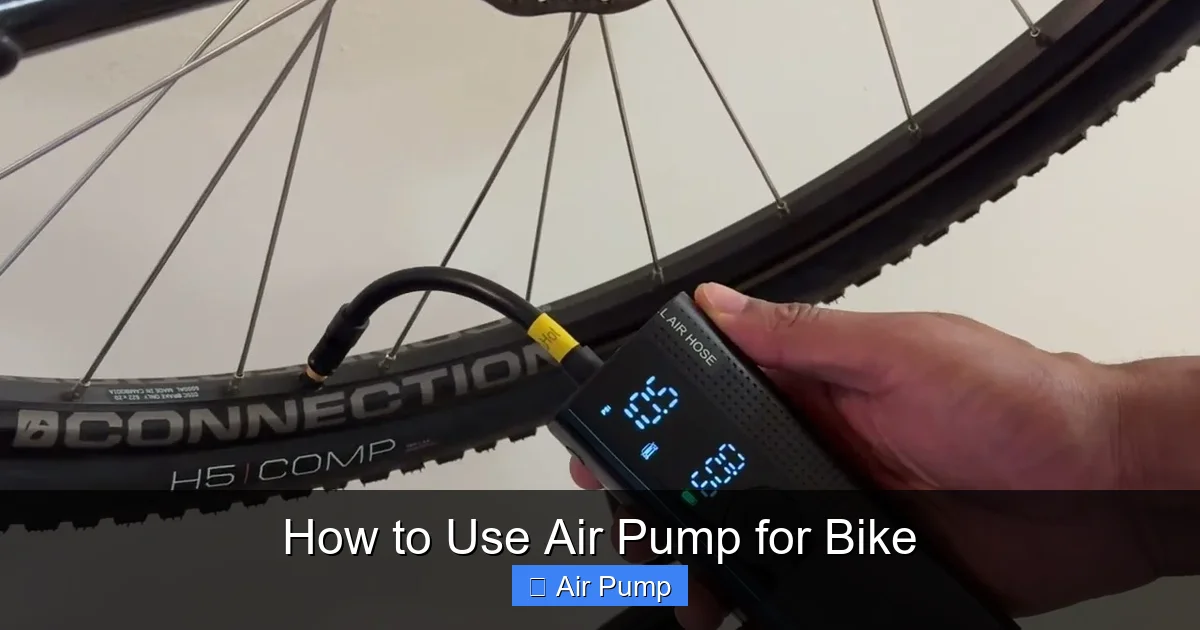
In this guide, you’ll learn how to use an air pump for your bike effectively. From choosing the right pump to detailed inflation steps, you’ll gain all the tips needed for safe and proper tire maintenance.
How to Use Air Pump for Bike
Keeping your bike tires properly inflated is crucial for a smooth, safe ride. Whether you’re a new cyclist or an experienced rider, knowing how to use an air pump correctly can make a big difference. In this comprehensive guide, you’ll learn everything you need to know—how to select the right pump, the steps to inflate your tires properly, and tips to troubleshoot common issues. By the end, you’ll be confident in maintaining your bike’s tires like a pro.
Key Takeaways
- Choose the right pump: Select a pump compatible with your bike’s valve type (Presta or Schrader).
- Know the correct pressure: Check your tire sidewall for recommended PSI to avoid over- or under-inflation.
- Prepare the valve: Properly open or remove the valve cap before inflating.
- Attach the pump securely: Ensure the pump head is tightly connected to prevent air leaks.
- Inflate gradually: Pump in steady strokes, periodically checking the pressure with a gauge.
- Finish and double-check: Detach the pump carefully and verify the tire pressure is correct before riding.
Understanding Your Bike’s Valve Types
Before you start inflating, it’s essential to understand the two main types of valves on bike tires: Presta and Schrader. Each requires a different pump head attachment and slightly different handling.
Presta Valve
This narrow, high-pressure valve is common on road bikes and high-performance bikes. It usually has a small lock nut at the top that needs to be unscrewed before inflating.
Schrader Valve
This wider valve is similar to those found in car tires. It’s easier to inflate with most standard pumps and often doesn’t require additional adjustments.
Choosing the Right Bike Pump
Not all pumps are created equal. Here’s how to pick the best one for your bike:
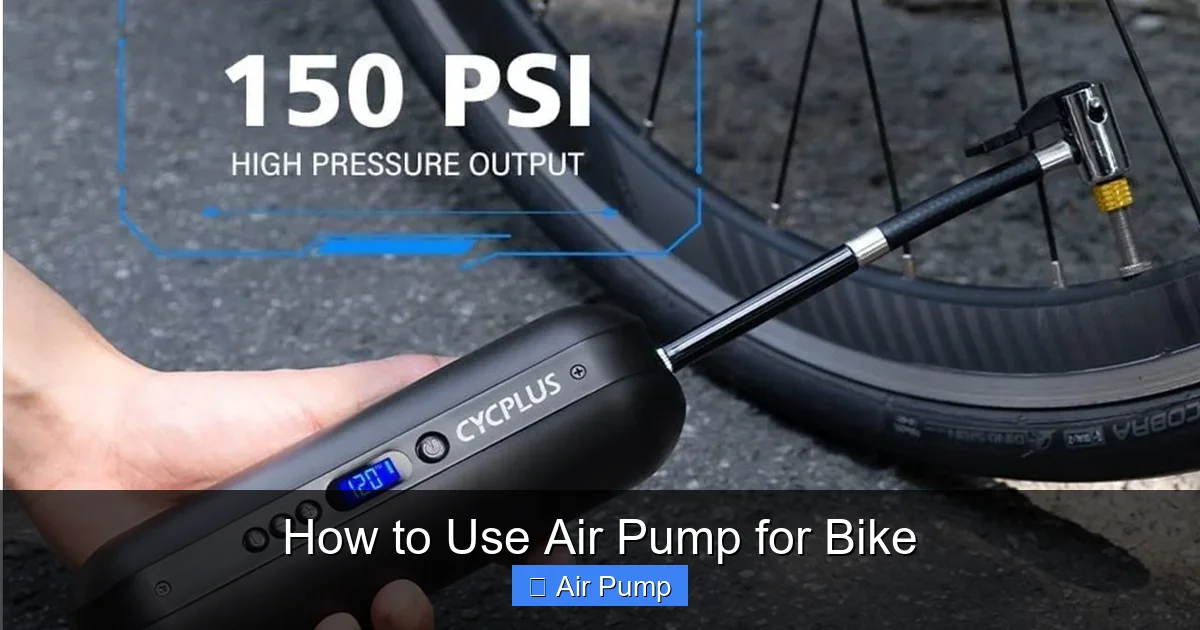
Visual guide about How to Use Air Pump for Bike
Image source: i.ytimg.com
- Mini Pumps: Portable and great for emergencies or quick fixes on the go. Usually suitable for Schrader valves, but some include adapters for Presta.
- Floor Pumps: Larger, more powerful, and ideal for home use. They often come with dual heads or adjustable fittings for both valve types.
- Electric Pumps: Convenient and fast, especially for those who prefer minimal effort. Ensure they are compatible with your valve type.
Step-by-Step Guide to Inflating Bike Tires
Step 1: Gather Your Tools
Make sure you have the right pump, a pressure gauge (if not built into your pump), and your bike’s tire pressure recommendation.
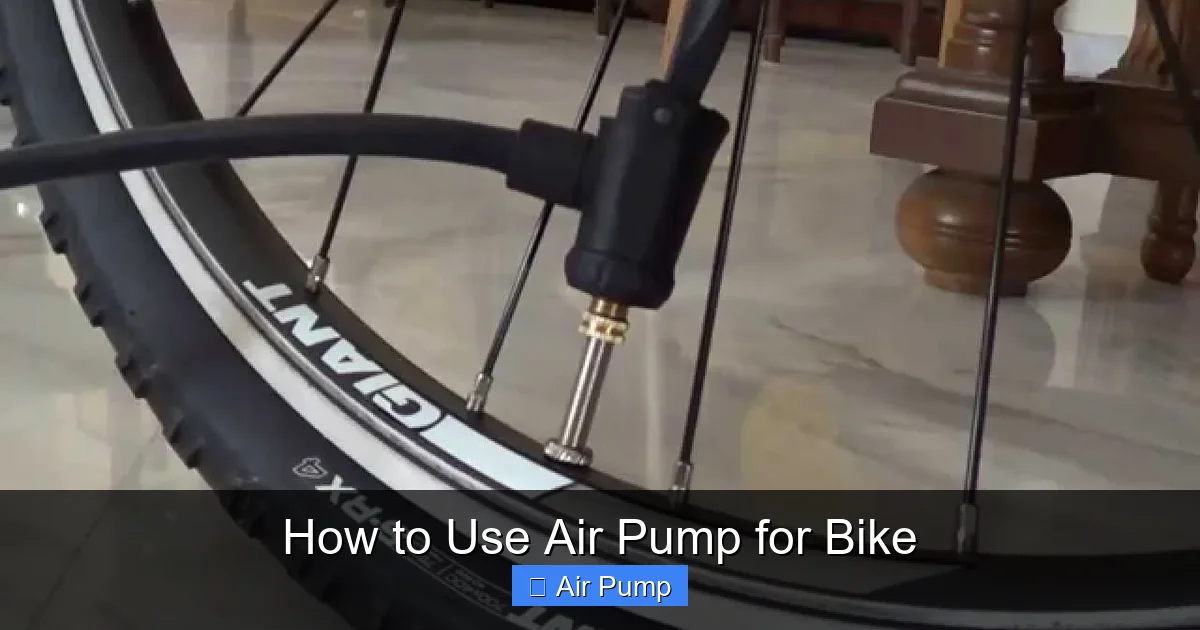
Visual guide about How to Use Air Pump for Bike
Image source: i.ytimg.com
Step 2: Check the Recommended Pressure
Look at the sidewall of your tire for PSI (pounds per square inch). It typically ranges from 40-80 PSI for road bikes and 30-50 PSI for mountain bikes.
Step 3: Prepare the Valve
- For Presta: Unscrew the small lock nut at the top of the valve. Do not remove the entire valve core.
- For Schrader: Remove the valve cap, which protects the valve.
Step 4: Attach the Pump Head
Connect your pump securely to the valve. For a Presta valve, you may need to flip or adjust the pump head to fit. Ensure it clicks or locks in place to prevent leaks.
Step 5: Pump the Tire
- Start pumping steadily. Don’t rush. Use smooth, consistent strokes.
- Periodically check the pressure with a gauge if your pump has one.
- Stop once you reach the recommended PSI.
Step 6: Detach the Pump
Carefully disconnect the pump head from the valve to avoid losing air. For Presta valves, tighten the lock nut back in place.
Step 7: Double-Check the Tire Pressure
Use a separate pressure gauge or the pump’s built-in gauge to confirm the tire is inflated properly. Adjust if necessary.
Practical Tips for Effective Inflation
- Use a quality pump: A well-made pump with a reliable gauge makes inflation easier and more accurate.
- Keep the valve clean: Dirt or debris can cause leaks. Wipe the valve before attaching the pump.
- Be gentle: Avoid over-pumping or forcing the pump. Gradual inflation helps prevent damage to the valve or tube.
- Check pressure regularly: Maintaining correct PSI extends tire life and improves riding performance.
Common Troubleshooting Tips
- Pump won’t attach securely: Make sure the pump head matches your valve type. Use an adapter if needed.
- Air leaks when pumping: Ensure the pump head is tightly sealed. Check for cracks or damage.
- Cannot reach desired pressure: Use a pump with a higher capacity or consider an electric pump for easier inflation.
- Valve damage: Be gentle when attaching or removing the pump. Don’t force connections.
Conclusion
Inflating your bike tires with an air pump is a simple task once you understand the process. Choosing the right pump, knowing your valve type, and following proper steps will help you keep your tires in optimal condition. Regularly checking and maintaining proper pressure not only ensures a safer ride but also extends the life of your tires. With these tips, you’ll be able to handle bike inflation confidently, whether at home or on the trail.
Remember:
- Always check your tire pressure before rides.
- Use the appropriate pump for your valve type.
- Inflate gradually and monitor the pressure.
- Maintain your pump and gauge for accuracy.
