


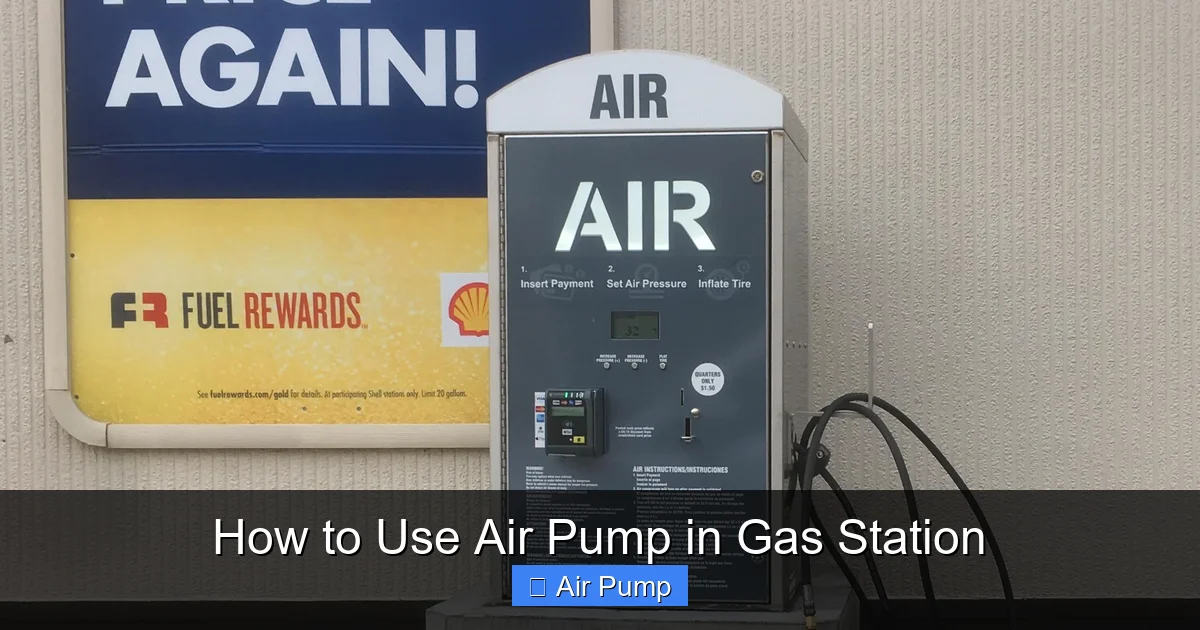
Using an air pump at a gas station is simple once you know the steps. This guide walks you through how to operate the pump, inflate your tires correctly, and troubleshoot common problems. Follow these easy instructions for safe, efficient tire inflation every time.
Key Takeaways
- Understand the pump interface: Familiarize yourself with the controls and display before starting.
- Prepare your vehicle: Ensure your car is parked correctly and the engine is off for safety.
- Connect the hose securely: Attach the air hose firmly to your tire’s valve stem to prevent leaks.
- Inflate to the recommended pressure: Check your tire pressure and set the pump accordingly for optimal inflation.
- Monitor the process: Keep an eye on the pressure gauge while inflating to avoid over-inflation.
- Troubleshoot common issues: Learn how to fix leaks or pump errors quickly to save time.
Introduction
Using an air pump at a gas station is a quick and easy way to keep your tires properly inflated. Proper tire pressure improves fuel efficiency, extends tire life, and enhances safety on the road. If you’re unsure how to use an air pump or want to do it efficiently, this guide will walk you through every step. Whether you’re a first-time user or need a refresher, these simple instructions will help you inflate your tires confidently and correctly.
Step 1: Park Your Vehicle and Prepare
Find a suitable spot
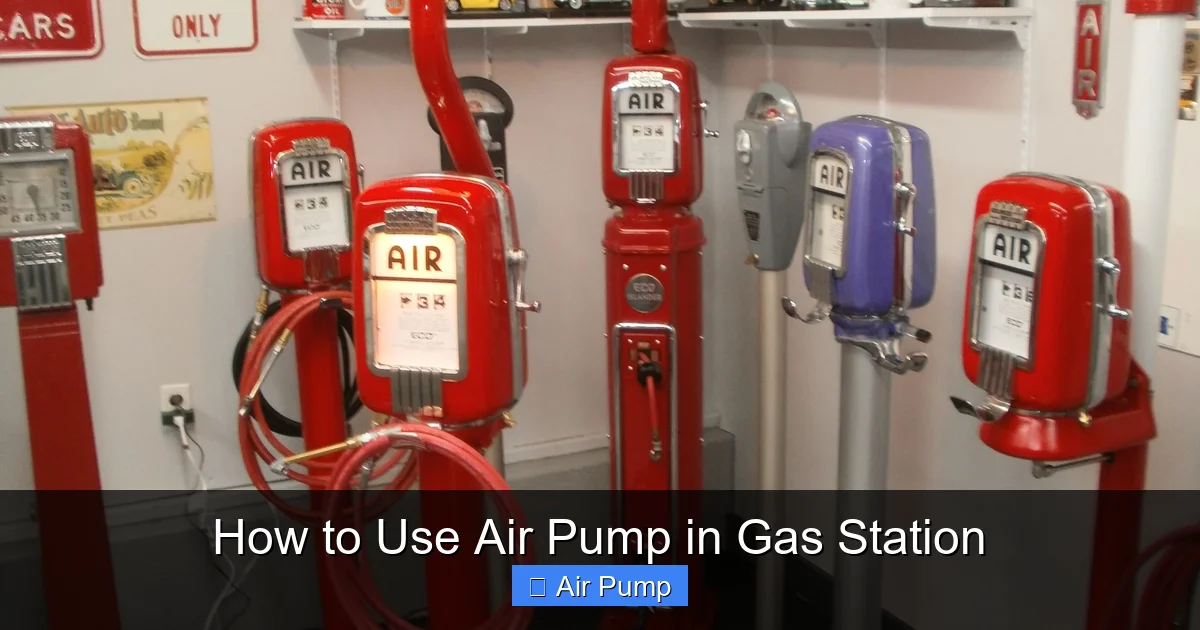
Park your car close to the air pump, ideally on a flat surface. Ensure your vehicle is turned off, and the parking brake is engaged for safety.
Visual guide about How to Use Air Pump in Gas Station
Image source: i.pinimg.com
Locate your tire’s recommended pressure
Check the tire pressure label on the driver’s side door jamb or your vehicle’s manual. This gives you the target PSI (pounds per square inch) for each tire.
Gather necessary tools
Have your tire pressure gauge, if available, and your vehicle registration or manual handy for reference. Some gas stations provide pressure gauges directly on the pump.
Step 2: Understand the Air Pump Interface
Inspect the control panel
Most gas station air pumps have a simple interface with buttons, a display screen, and a hose connection point. Look for labels indicating functions like “Start,” “Stop,” “Pressure,” and “Inflate.”
Visual guide about How to Use Air Pump in Gas Station
Image source: engineerfix.com
Identify the hose and nozzle
The air hose usually has a metal or plastic nozzle at the end. Make sure it’s securely attached to the pump when not in use.
Step 3: Connect the Air Hose to Your Tire
Remove the valve cap
Unscrew the small cap on your tire’s valve stem. Keep it safe for reattachment after inflating.
Attach the nozzle securely
Press the nozzle onto the valve stem firmly until you hear a click or feel it is tight. Some nozzles have a lever that you need to flip to lock it in place, ensuring no air leaks.
Check for leaks
Gently tug on the hose to confirm it’s securely attached. If you hear air escaping, detach and reattach it properly.
Step 4: Use the Pump to Inflate Your Tires
Turn on the pump
Press the “Start” button or follow the pump’s instructions to begin inflation. Some pumps automatically start once the hose is attached.
Monitor the pressure
Watch the display or listen to the pump’s gauge. Many pumps have a built-in pressure sensor that automatically stops inflating when the desired pressure is reached.
Set the correct pressure
If the pump allows manual setting, input your target PSI from your vehicle’s manual. For pumps without this feature, inflate gradually and check with a tire pressure gauge frequently.
Inflate gradually and check pressure often
Over-inflating can be dangerous. Stop periodically to check the pressure and avoid exceeding the recommended PSI.
Step 5: Stop and Detach the Hose
Turn off the pump
Press the “Stop” button or turn off the pump as instructed. Wait until the pump completely stops running.
Remove the nozzle from the valve stem
Carefully detach the nozzle from your tire’s valve stem. Be gentle to avoid damaging the valve or causing a leak.
Replace the valve cap
Screw the valve cap back onto the valve stem to keep it clean and prevent dirt or debris from entering.
Step 6: Verify Tire Pressure
Use a tire pressure gauge
Attach a tire pressure gauge to the valve stem and check the pressure. If it’s below the recommended level, repeat the inflation process. If it’s just right, you’re done!
Adjust if necessary
If you over-inflated, release some air with the pump’s deflate feature or press the valve stem to let out a small amount of air. Recheck the pressure afterward.
Practical Tips for Using Air Pumps Effectively
- Check tire pressure regularly: Make it a habit to check your tires monthly or before long trips.
- Use the correct PSI: Always inflate your tires to the manufacturer-recommended pressure for safety and efficiency.
- Be cautious of over-inflation: Too much air can lead to tire blowouts or uneven tire wear.
- Inspect the valve stem: Before attaching the nozzle, look for cracks or damage that could cause leaks.
- Use the right tools: Keep a portable tire pressure gauge in your glove box for quick checks.
- Be patient: Inflate slowly to avoid over-inflating and to ensure accurate pressure measurement.
Troubleshooting Common Issues
Air leaks during inflation
If the hose detaches or air leaks, reattach the nozzle firmly. Check for cracks or damage in the nozzle or valve stem. Replace if necessary.
Pump not starting or no display
Ensure the pump is connected to power and properly turned on. If it still doesn’t work, try another pump or report the issue to station staff.
Over-inflation
If you accidentally overinflate, release some air by pressing the valve stem or using the pump’s deflate feature if available. Always recheck pressure afterward.
Inconsistent pressure readings
Use a separate reliable tire pressure gauge to verify accuracy. Calibration issues can cause false readings.
Conclusion
Using an air pump at a gas station is straightforward once you know the steps. Remember to familiarize yourself with the pump controls, connect the hose securely, inflate gradually, and monitor the pressure. Regularly maintaining proper tire pressure can save you money, improve safety, and enhance your driving experience. Next time you visit a gas station, use these tips to keep your tires in top shape!
Remember:
Always follow your vehicle’s recommended tire pressure and inspect your tires regularly for optimal safety and performance.
