


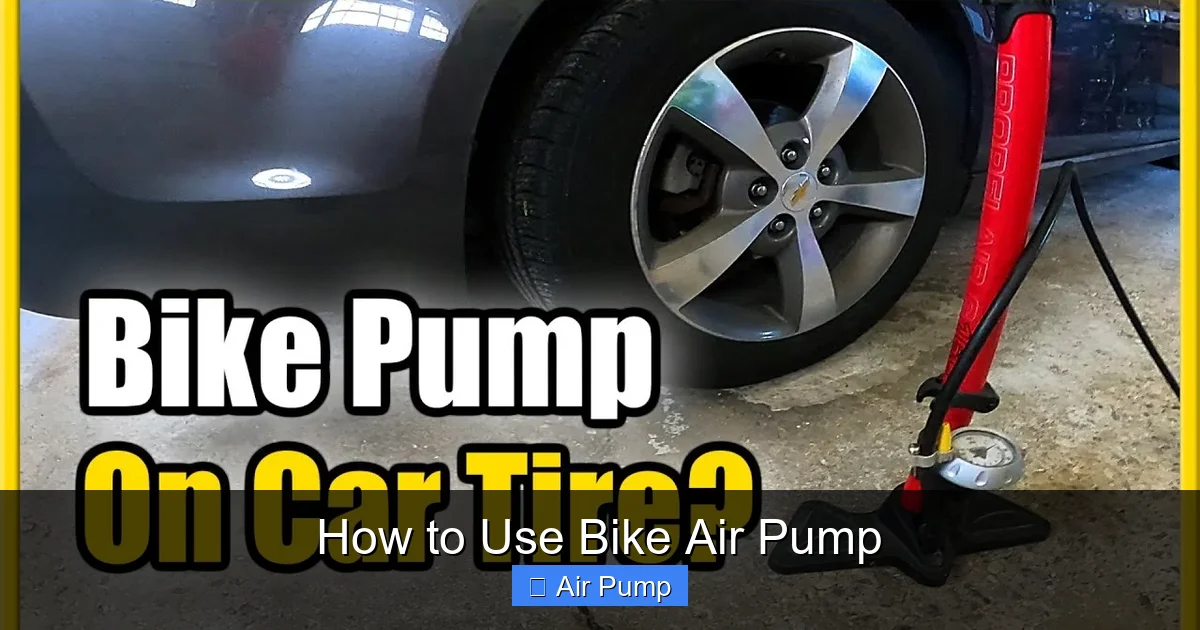
Using a bike air pump is simple once you know the right steps. In this guide, you’ll learn how to select the correct pump, attach it properly, and inflate your tires efficiently, ensuring a smooth ride every time.
Key Takeaways
- Choose the Right Pump: Use a pump compatible with your bike’s valve type for a secure fit.
- Check Tire Pressure: Always know the recommended PSI for your bike tires before inflating.
- Properly Attach the Pump: Ensure the pump nozzle is securely connected to avoid leaks.
- Inflate Gradually: Pump steadily and check the pressure regularly to prevent over-inflation.
- Maintain Your Pump: Keep the pump clean and inspect hoses and seals for leaks.
- Troubleshoot Common Issues: Learn how to fix leaks or pump failures quickly.
Introduction
If you own a bike, knowing how to use a bike air pump is essential. Properly inflated tires make riding easier, safer, and more enjoyable. Whether you’re preparing for a ride or fixing a flat, this guide will walk you through every step of using a bike air pump. From selecting the right pump to troubleshooting common issues, you’ll gain all the skills needed to keep your tires in top shape.
Understanding Your Bike’s Valve Types
Before using a bike air pump, it’s important to know what type of valve your bike has. The two main types are Schrader and Presta valves.
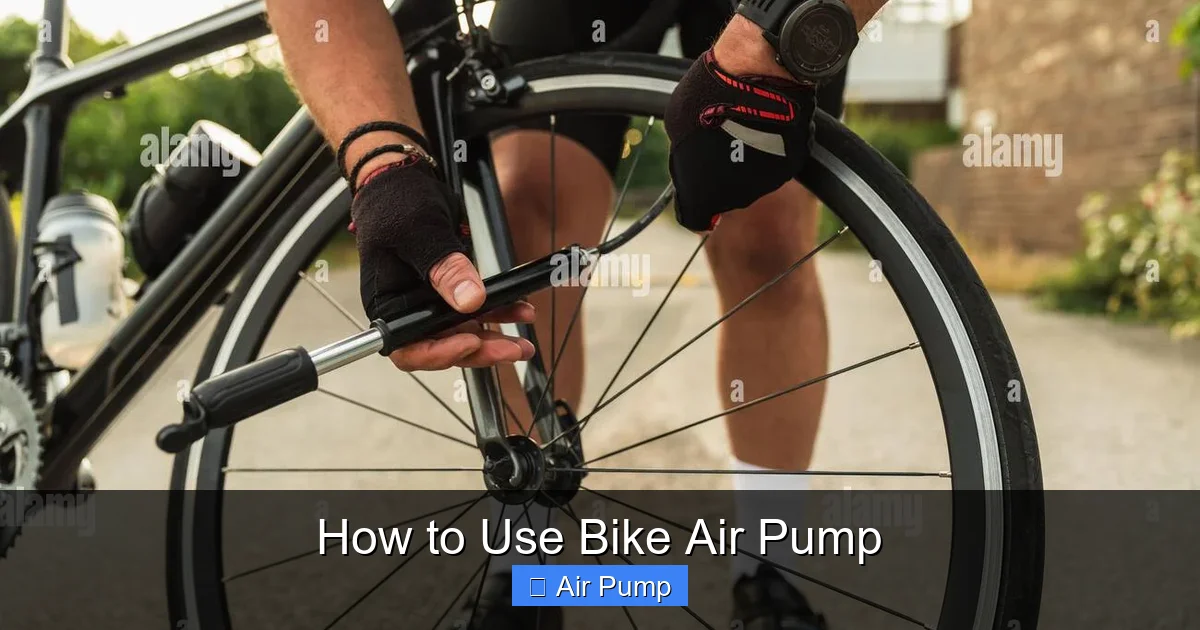
Visual guide about How to Use Bike Air Pump
Image source: c8.alamy.com
Schrader Valves
These are wider and similar to car tire valves. They are common on many bikes, especially mountain bikes and hybrids. Pump heads for Schrader valves are usually simpler to attach.
Presta Valves
These are narrower and have a threaded top that requires unscrewing before inflation. They are often found on road bikes and higher-end models. Pump heads for Presta valves need to be compatible or adjustable.
Step 1: Selecting the Right Bike Air Pump
Choosing the right pump is key to easy and effective inflation. Here’s what to consider:
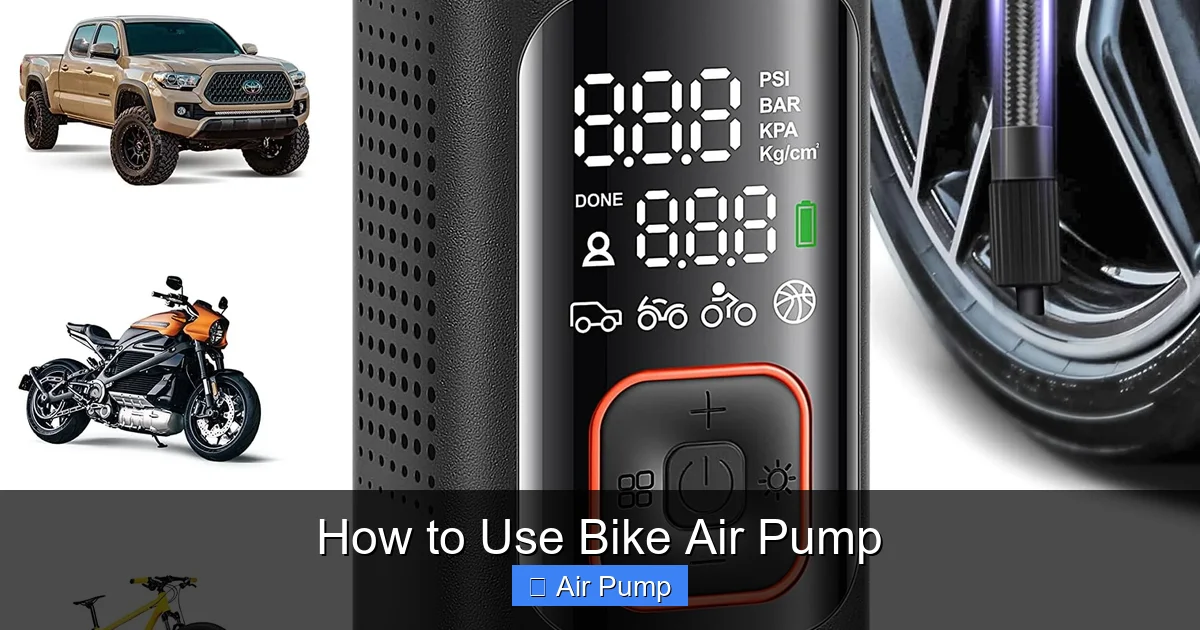
Visual guide about How to Use Bike Air Pump
Image source: m.media-amazon.com
- Pump Type: Hand pumps are portable and good for quick fixes. Floor pumps are more powerful and suitable for regular use.
- Valve Compatibility: Ensure your pump has adaptors or heads for both Schrader and Presta valves.
- Pressure Capacity: Check the maximum PSI the pump can handle. Most bike tires need between 40-80 PSI.
Step 2: Preparing Your Bike and Pump
Before attaching the pump, prepare your bike and pump for a smooth process.
Check the Tire Pressure
Look at your tire sidewall for the recommended PSI. This info guides you during inflation to avoid over or under-inflation.
Inspect the Pump
Ensure the pump is clean, the hose is undamaged, and the nozzle fits securely. If your pump has a pressure gauge, verify it’s working correctly.
Step 3: Attaching the Pump to the Valve
This step is crucial for a good seal and effective inflation.
For Schrader Valves
Most pumps have a simple push-on head. Align the nozzle with the valve and press firmly until it clicks or seats securely.
For Presta Valves
Unscrew the small nut at the top of the valve. Some pumps have a dual-head or an adjustable head. Attach the pump head, ensuring it’s snug but not forced. You may need to flip a switch or adjust a lever to secure the connection.
Step 4: Inflating the Tire
Now, it’s time to pump air into your tire.
Start Pumping
Use steady, consistent pressure. If using a floor pump with a gauge, monitor PSI as you go. For hand pumps, inflate gradually and check pressure frequently.
Check Pressure Regularly
Stop periodically to see if you’ve reached the desired PSI. Over-inflation can cause damage or a blowout.
Detaching the Pump
Once inflated, carefully remove the pump nozzle. For Presta valves, screw the nut back on after inflation to prevent air leakage.
Step 5: Final Checks and Maintenance
After inflating, double-check the tire pressure with a gauge if possible. Make sure the valve is secure and there are no leaks.
Regular Maintenance
- Keep the pump clean and dry.
- Lubricate moving parts if necessary.
- Inspect hoses and seals for cracks or leaks and replace if needed.
Troubleshooting Common Problems
Leakage from Valve or Pump
Ensure the nozzle is properly attached and the valve is fully open. Replace faulty seals or adaptors if leaks persist.
Pump Not Building Pressure
Check for blockages, leaks in the hose, or damaged seals. Sometimes, the pump piston may need lubrication or repair.
Difficulty with Presta Valves
Screw the nut back on tightly after inflation. If the valve is stuck, avoid forcing it; instead, check for damage.
Conclusion
Using a bike air pump is straightforward once you understand the basic steps. Remember to select the right pump, attach it securely, and check the pressure regularly. Proper maintenance and troubleshooting will ensure your pump lasts longer and your tires stay perfectly inflated. With these skills, you’ll be ready for any ride or roadside fix, keeping your cycling experience smooth and safe.
Additional Tips
- Carry a portable mini pump during rides for quick fixes.
- Always store your pump in a dry, accessible place.
- Check your tire pressure regularly, even when not flat, to extend tire life.
