


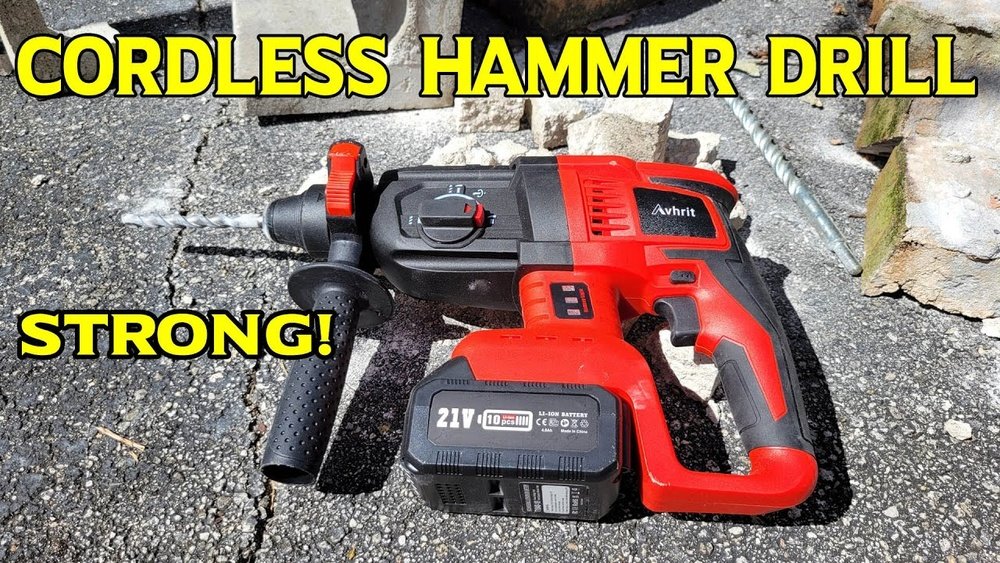
Are you ready to tackle your next project with ease and power? Knowing how to use a cordless hammer drill can make all the difference in getting the job done quickly and efficiently.
Whether you’re hanging shelves, drilling into tough concrete, or working on a DIY project, mastering this tool will save you time and frustration. In this guide, you’ll discover simple steps and expert tips that turn your cordless hammer drill into a reliable partner.
Stick with me, and by the end, you’ll feel confident and ready to drill like a pro. Let’s get started!

Credit: www.youtube.com
Choosing The Right Cordless Hammer Drill
Choosing the right cordless hammer drill is important for your projects. It affects how well you work and how comfortable you feel. Different drills suit different tasks. Picking one with the right features helps you get the job done faster and easier.
Types Of Hammer Drills
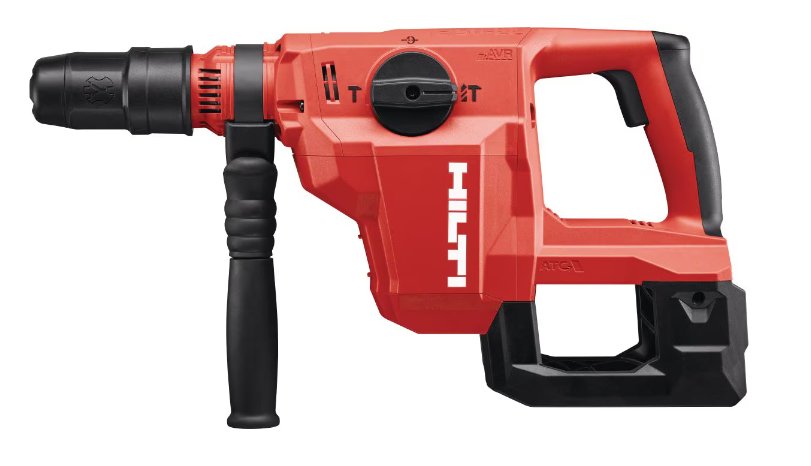
There are two main types of hammer drills. The first is a standard drill with a hammer mode. It works well for light to medium tasks. The second is a rotary hammer drill. It is stronger and good for heavy-duty jobs like drilling into concrete. Choose the type based on the work you plan to do.
Key Features To Consider
Look for a drill with adjustable speed settings. This lets you control the power for different materials. Check the chuck size to match your drill bits. A comfortable grip is important for long use. Also, consider a drill with a built-in LED light to see your work clearly.
Battery Life And Power
Battery life affects how long you can work without charging. Choose a drill with a battery that lasts long enough for your tasks. Higher voltage means more power but can add weight. Balance power and battery life to suit your needs. Lithium-ion batteries are common and offer good performance.
Credit: americanladders.com
Essential Safety Tips
Using a cordless hammer drill can make many tasks easier. Safety is very important while using this powerful tool. Follow these essential safety tips to protect yourself and others around you.
Protective Gear
Always wear safety glasses to protect your eyes from dust and debris.
Use ear protection to reduce noise damage from the hammer drill.
Wear gloves for a better grip and to protect your hands from vibration.
Choose sturdy shoes to avoid foot injuries from falling objects.
Safe Handling Practices
Hold the drill firmly with both hands to maintain control.
Keep fingers away from the drill bit and moving parts.
Do not force the drill. Let the tool do the work at its own speed.
Turn off the drill before changing bits or making adjustments.
Work Area Preparation
Clear the area of any obstacles or tripping hazards.
Make sure the workspace is well-lit for better visibility.
Check for electrical wires or pipes hidden in walls before drilling.
Keep children and pets away from the work zone for safety.
Setting Up Your Hammer Drill
Setting up your cordless hammer drill is the first step for a safe and effective job. A proper setup helps the drill work well and lasts longer. Follow these simple steps to get ready for your project.
Pay close attention to each step. This guide will help you install the battery, select the right drill bit, and adjust the settings.
Installing The Battery
Start by holding the drill firmly. Slide the battery pack into the base of the drill. Push it in until you hear a click. This sound means the battery is locked in place. Check that it is secure by gently pulling it. Remove the battery only by pressing the release buttons on both sides.
Selecting The Correct Drill Bit
Choose the drill bit based on your project material. Use masonry bits for concrete or brick. Use wood bits for wood surfaces. For metal, pick a metal drill bit. Insert the bit into the chuck at the front. Turn the chuck clockwise to tighten it. Make sure the bit is straight and tight. Loose bits can cause damage or injury.
Adjusting Settings And Modes
Locate the mode switch on your drill. Set it to hammer mode for drilling into hard surfaces. Use drill mode for softer materials. Adjust the speed by turning the speed dial or trigger. Start with low speed to avoid mistakes. Increase speed for faster drilling. Check the torque setting for control. Higher torque helps with tougher materials. Lower torque prevents stripping screws.
Basic Drilling Techniques
Basic drilling techniques are essential for using a cordless hammer drill safely and effectively. These techniques help ensure clean holes and protect the drill bit. Proper handling improves control and reduces fatigue during work. Follow simple steps to get better results every time.
Positioning And Grip
Hold the drill firmly with both hands for stability. Keep your body balanced and feet shoulder-width apart. Position the drill bit perpendicular to the surface. This helps create straight and accurate holes. Use a slow, steady pressure without forcing the drill. Let the tool do the work.
Drilling Into Different Materials
Use the right drill bit for each material. Wood requires a standard twist bit. Metal needs a high-speed steel or cobalt bit. Masonry needs a carbide-tipped bit. Start drilling slowly to avoid slipping. Increase speed once the bit grips the surface. Always clear debris to keep the hole clean.
Using The Hammer Function
The hammer function adds a pounding action to the drill. Use it for hard materials like concrete or brick. Activate the hammer mode before starting. Apply firm pressure, but avoid pushing too hard. Let the hammer action break the material. Turn off the hammer mode for softer materials.
Maintenance And Troubleshooting
Proper maintenance and quick troubleshooting keep your cordless hammer drill working well. Regular care extends its life and saves money. Knowing how to spot and fix common problems helps avoid downtime. Follow these simple tips to keep your drill in top shape.
Cleaning And Storage
After each use, wipe the drill with a dry cloth. Remove dust and debris from vents and moving parts. Avoid using water or harsh chemicals that can damage the drill.
Store the drill in a cool, dry place. Keep it in its case or a safe spot to prevent damage. Remove the battery before long storage to avoid battery drain.
Common Issues And Fixes
The drill may not start due to a dead battery. Charge the battery fully before use. Check if the battery is placed correctly in the drill.
If the drill bit slips or stops spinning, the chuck might be loose. Tighten the chuck firmly around the bit. Replace the bit if it is worn or damaged.
Overheating can happen after long use. Let the drill cool down before using again. Avoid pushing too hard on the drill during work.
When To Replace Parts
Replace the battery if it loses charge quickly or won’t hold power. Use only the battery type recommended by the manufacturer.
Change worn drill bits to keep holes clean and accurate. Dull bits make the drill work harder and may cause damage.
Inspect the chuck for cracks or damage. Replace the chuck if it no longer holds bits tightly. Check user manual for proper replacement parts and instructions.
Tips For Extending Battery Life
Extending the battery life of your cordless hammer drill saves money and improves work efficiency. Proper care and smart usage keep the battery healthy longer. Follow these tips to get the most from each charge and protect your tool.
Charging Best Practices
Use the charger that came with your drill. Avoid cheap, third-party chargers. Charge the battery at room temperature. Cold or hot conditions reduce battery life. Do not overcharge. Remove the battery once fully charged. Frequent short charges are better than draining it completely. Keep charging contacts clean and dry.
Battery Storage
Store batteries in a cool, dry place. Avoid extreme heat or cold. Keep batteries half charged during storage. A fully drained battery can lose capacity. Remove batteries from the drill if not used for weeks. Use a case or cover to protect from dust and moisture.
Managing Power Usage
Use the drill at the right speed for the job. High speed drains battery faster. Avoid pressing too hard. Let the drill do the work. Turn off the drill when not in use. Use power-saving modes if available. Plan your work to reduce unnecessary starts and stops.
Credit: www.homedepot.com
Frequently Asked Questions
What Are The Main Uses Of A Cordless Hammer Drill?
A cordless hammer drill is ideal for drilling into tough materials like concrete, brick, and stone. It also works well for standard drilling and screwdriving, offering versatility without needing a power outlet.
How Do I Choose The Right Drill Bit For Hammer Drilling?
Select a carbide-tipped masonry bit for hammer drilling. These bits withstand impact and efficiently drill into hard surfaces like concrete and stone.
How Can I Extend My Cordless Hammer Drill’s Battery Life?
Use the drill at low speeds and avoid continuous heavy use. Charge batteries fully and store them in cool, dry places for longer life.
What Safety Precautions Should I Take When Using A Hammer Drill?
Always wear safety goggles and gloves. Secure your workpiece, check the drill’s condition, and avoid loose clothing or jewelry during operation.
Conclusion
Using a cordless hammer drill makes many tasks easier and faster. It offers freedom to move without cords getting in the way. Always keep the battery charged for best performance. Choose the right drill bit for the job. Hold the drill firmly and apply steady pressure.
Practice on scrap material before starting your project. Safety gear, like goggles and gloves, protects you well. With some care and practice, you can handle many drilling jobs confidently. This tool is useful for both beginners and experienced users. Start small, learn the steps, and work your way up.
