


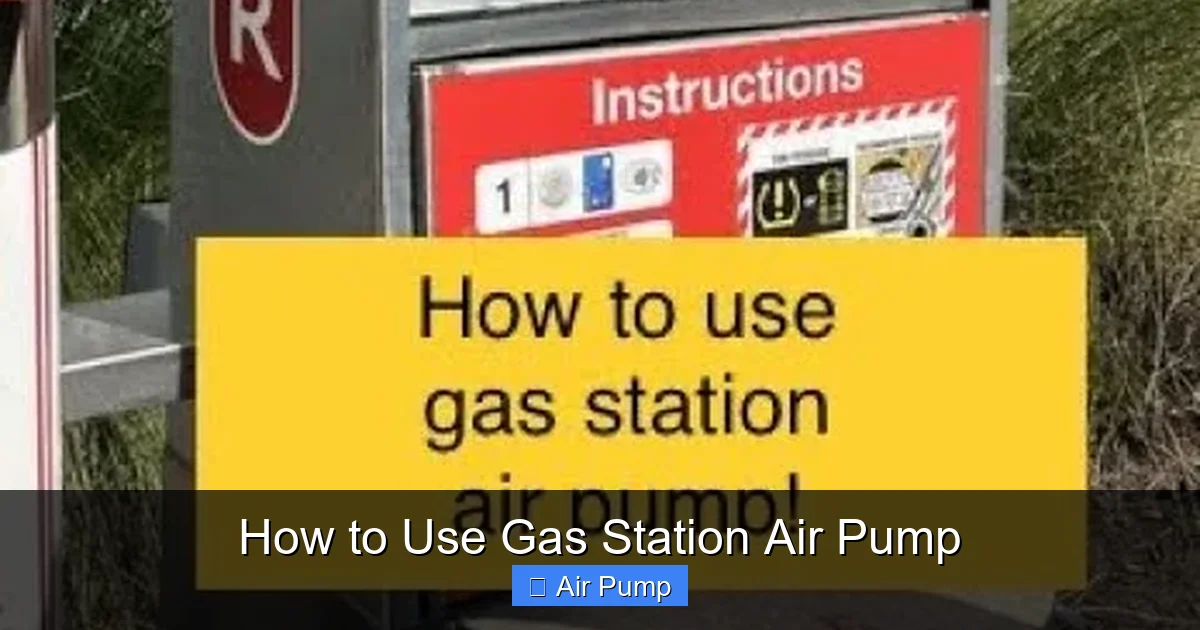
Using a gas station air pump is simple once you know the steps. This guide will walk you through how to operate the pump, set the right pressure, and troubleshoot common issues. Get your tires inflated quickly and safely with these expert tips.
Key Takeaways
- Check your tire pressure: Use a tire pressure gauge to know the correct PSI before inflating.
- Locate the air pump: Find the air pump at your gas station, usually near the fuel pumps or in a dedicated area.
- Prepare the pump: Ensure the pump is working, and read any instructions or digital displays.
- Attach the nozzle: Securely connect the air hose nozzle to your tire valve.
- Inflate and monitor: Turn on the pump and watch the pressure gauge, stopping once your desired PSI is reached.
- Troubleshoot issues: Learn common problems like no air flow or incorrect readings, and how to fix them.
Introduction
Using a gas station air pump is a quick and easy way to inflate your tires, bike tires, or even sports equipment. Whether you’re a first-timer or need a refresher, this guide will help you understand every step of the process. We’ll cover how to operate the pump, what tools you might need, and tips for ensuring your tires are inflated correctly and safely. Let’s get started so you can stay safe on the road with properly inflated tires!
1. Find the Gas Station Air Pump
Locate the Pump
The first step is finding the air pump. Most gas stations have them near the fuel pumps, often in a dedicated area or a separate kiosk. Look for signs that say “Air” or “Tire Inflation.” Some stations have multiple pumps, so choose the one that looks functional and accessible.
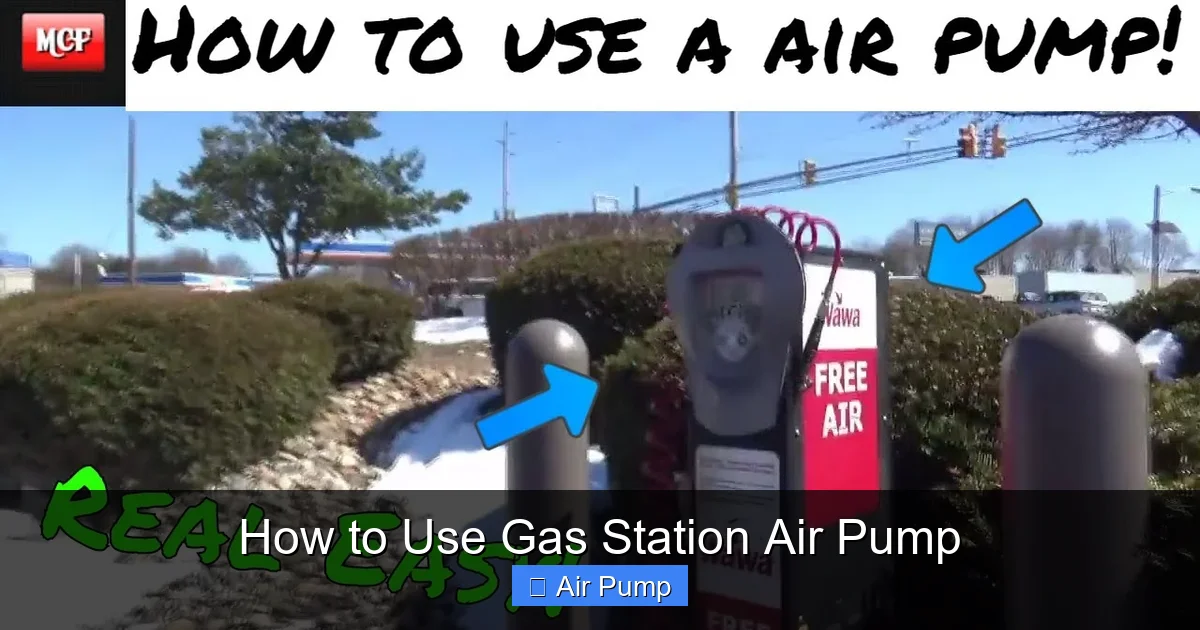
Visual guide about How to Use Gas Station Air Pump
Image source: i.ytimg.com
Check the Pump’s Condition
Before using, take a quick look at the pump. Ensure it’s clean, and check if the digital display or gauge is working. If the pump looks damaged or out of order, consider another station or ask an employee for assistance.
2. Gather Your Equipment
Tools You Need
- Tire pressure gauge: To check your tire’s current PSI before and after inflation.
- Valve cap remover: To remove the valve caps from your tires.
- Optional: A portable digital or analog tire pressure gauge for more precise readings.
Check Your Tire’s Recommended PSI
Look for the recommended tire pressure on your vehicle’s door jamb, owner’s manual, or tire sidewall. This number is crucial for safe and efficient inflation. Typical pressures range from 30 to 35 PSI for many cars, but always verify your specific requirements.

Visual guide about How to Use Gas Station Air Pump
Image source: i.ytimg.com
3. Prepare the Pump
Turn On the Pump
Most gas station air pumps are powered automatically when you connect the hose. Some might have a power button; press it if needed. Wait for the digital display or dial to turn on and show a reading.
Read the Instructions
Some pumps have specific instructions printed on them. Take a moment to read any guidance, especially if features like preset pressures or digital controls are available. This will help you operate the pump smoothly and avoid over-inflation.
4. Remove Valve Cap and Attach the Nozzle
Remove Valve Cap
Unscrew the small valve cap from your tire’s valve stem. Keep it in a safe place so you can replace it later.
Attach the Air Hose Nozzle
Connect the pump’s nozzle securely onto the valve stem. You might need to press down firmly or flip a lever to lock it in place. Make sure it’s tight to prevent air leaks during inflation.
5. Inflate Your Tire
Start the Pump
Activate the pump by pressing the start button or flipping the switch. Monitor the pressure gauge closely.
Monitor and Adjust
Keep an eye on the pressure reading. If your pump has a digital display, it will show the current PSI. Stop the pump once your tire reaches the recommended pressure. Some pumps stop automatically at a preset PSI; if yours does, set that before starting.
Practical Tips
- If your pump doesn’t have a preset feature, check the pressure frequently as you inflate.
- In cold weather, tires may take longer to inflate; be patient and check pressure frequently.
- If the pump runs out of air or stops unexpectedly, wait a few minutes before trying again.
6. Detach the Nozzle and Replace the Valve Cap
Remove the Nozzle
Once your tire is inflated to the correct PSI, carefully detach the nozzle from the valve stem. Be cautious to avoid letting air escape.
Replace Valve Cap
Screw the valve cap back onto the valve stem to protect it from dirt and debris. Tighten it securely but don’t overtighten.
7. Double-Check the Pressure
Verify the PSI
Use your personal tire pressure gauge or the station’s gauge to double-check the pressure. This ensures your tire is properly inflated and safe for driving.
8. Troubleshooting Common Issues
No Air Flow
If the pump isn’t blowing air, check if it’s powered on. Ensure the nozzle is securely attached. If problems persist, the station’s pump may be out of service.
Inaccurate Pressure Readings
Digital gauges may sometimes be off. Use your own gauge to confirm the pressure. If the reading seems wrong, try another pump or check your tire with a different gauge.
Pump Stops Unexpectedly
This could be due to safety features or low air supply. Wait a few minutes and try again. If the issue continues, ask station staff for help.
Conclusion
Using a gas station air pump is straightforward once you familiarize yourself with the steps. Always check your tire’s recommended PSI and monitor the pressure during inflation. Regularly inspecting and maintaining proper tire pressure improves safety, fuel efficiency, and tire longevity. With these tips, you’ll be able to inflate your tires confidently and efficiently every time!
