


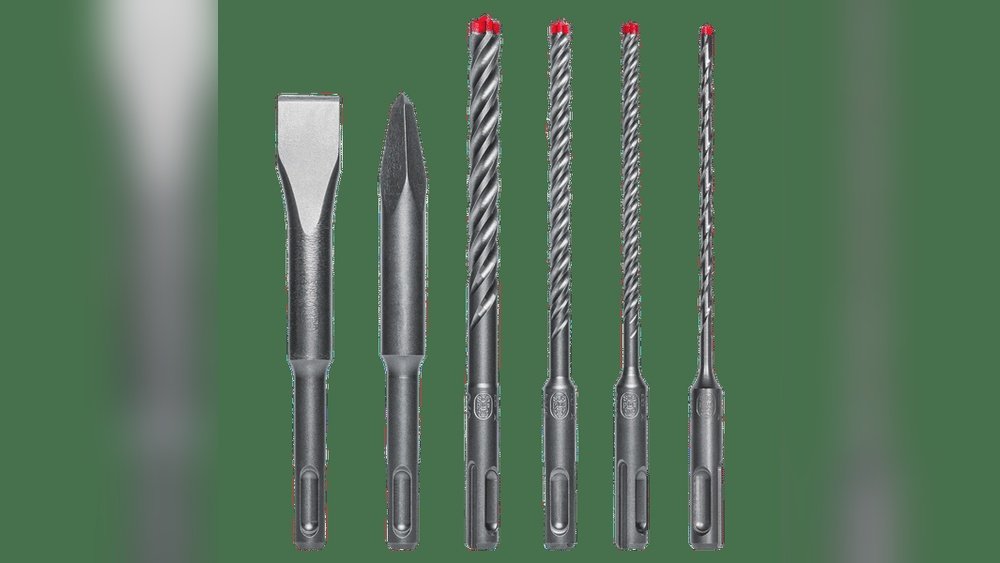
Are you ready to tackle tough drilling jobs with ease? Knowing how to use a hammer drill bit can save you time and effort when working with concrete, brick, or stone.
But if you’ve never tried it before, the process might seem tricky or even risky. Don’t worry—this guide will walk you through every step, so you can drill like a pro and avoid common mistakes. Keep reading to unlock the simple secrets that make hammer drilling safe, efficient, and surprisingly satisfying.
Your next project just got a whole lot easier!
Choosing The Right Hammer Drill Bit
Choosing the right hammer drill bit is key to a successful drilling job. The correct bit improves efficiency and prevents damage. It also makes your work faster and cleaner.
Different projects need different bits. Picking the right type depends on the material and size you want to drill. Knowing what to use saves time and effort.
Types Of Hammer Drill Bits
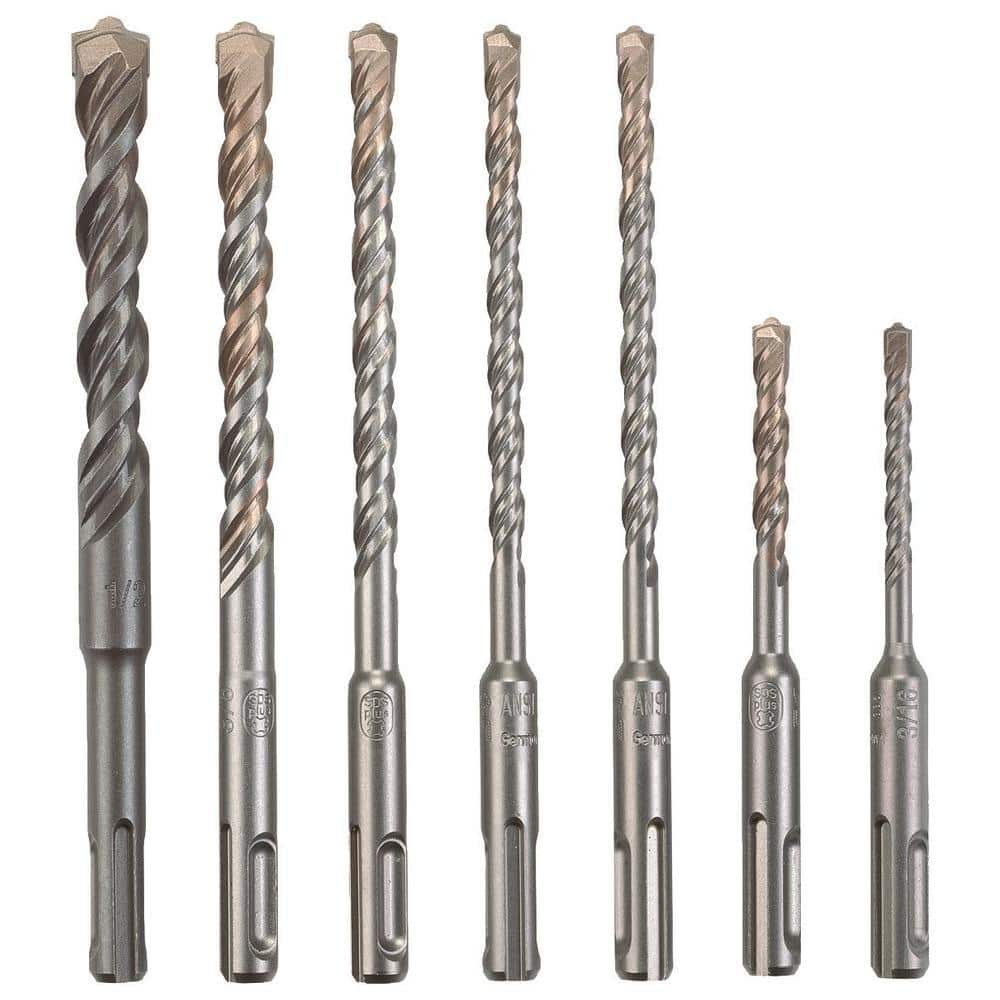
There are three main types of hammer drill bits: carbide-tipped, SDS, and masonry bits. Carbide-tipped bits are strong and last long. SDS bits fit specific hammer drills and provide better grip. Masonry bits work well on brick and concrete.
Material Compatibility
Choose a bit that matches the material you drill. Carbide bits work best on hard materials like concrete and stone. High-speed steel bits suit softer materials like wood or metal. Using the wrong bit can break the bit or damage the surface.
Size Selection Tips
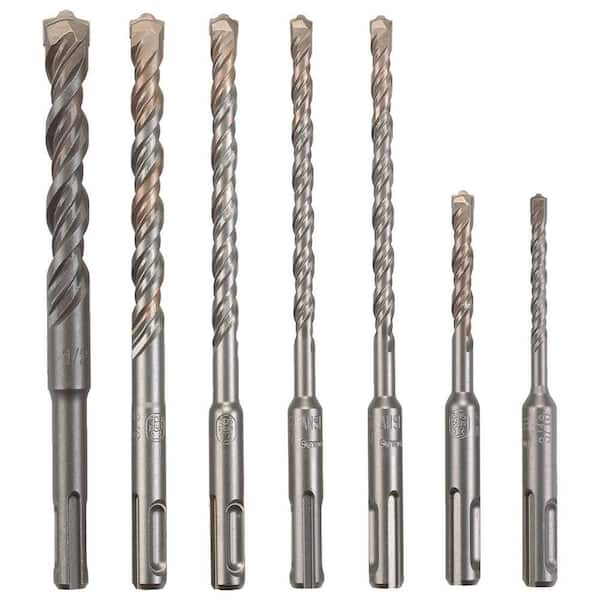
Select the right size for the hole you need. Too large a bit wastes energy and makes a big hole. Too small a bit means more work and weak holes. Check the drill’s manual for size limits. Measure twice and drill once.
Preparing Your Hammer Drill
Preparing your hammer drill is the first step for a smooth drilling job. Proper setup ensures safety and efficiency. It also helps the drill work correctly with the bit you choose. Follow these simple steps to get your hammer drill ready.
Setting The Drill Mode
Check the mode switch on your drill before starting. Set it to “hammer” or “hammer drill” mode. This mode activates the hammering action needed for concrete or masonry. Using the wrong mode can damage the drill or the surface.
Installing The Bit Securely
Choose the right hammer drill bit for your task. Insert the bit firmly into the chuck. Tighten the chuck by hand or with a key if your drill needs one. A loose bit can slip and cause accidents or poor results.
Safety Gear Essentials
Wear safety glasses to protect your eyes from dust and debris. Use ear protection to reduce loud noise from the hammer action. Gloves help protect your hands and improve grip. Always dress safely before you start drilling.
Techniques For Effective Drilling
Effective drilling with a hammer drill bit requires more than just power. Correct techniques improve results and protect your tools. Follow simple steps to drill clean and precise holes. Avoid common mistakes that cause damage or slow work.
Proper Drill Positioning
Hold the drill straight and steady. Keep the drill bit aligned with the mark on the surface. This prevents the bit from slipping or making uneven holes. Use both hands for better control and balance. A steady position helps the drill bit cut smoothly through materials.
Applying Correct Pressure
Press the drill gently but firmly. Too much force can break the bit or damage the material. Too little pressure slows drilling and overheats the bit. Let the drill’s hammer action do most of the work. Maintain a consistent pressure for clean, fast holes.
Avoiding Bit Overheating
Drill slowly in hard materials like concrete or brick. Overheating can dull or break the bit. Pause to let the bit cool if it gets hot. Use water or a cooling spray for long drilling tasks. Keeping the bit cool extends its life and improves drilling performance.
Credit: www.homedepot.com
Maintenance And Care For Drill Bits
Proper maintenance and care keep hammer drill bits sharp and efficient. Regular cleaning removes dust and debris. Good care prevents rust and damage. This extends the drill bit’s life and improves performance.
Cleaning After Use
Wipe the drill bit with a dry cloth after use. Remove dust and debris from the grooves. Use a brush for hard-to-reach spots. Avoid water to prevent rust. Store the bit only when it is dry.
Sharpening Tips
Check the drill bit edges for dullness. Use a sharpening stone or tool to fix edges. Hold the bit steady while sharpening. Follow the original angle of the cutting edge. Sharpen slowly to avoid overheating and damage.
Storage Recommendations
Store drill bits in a dry place. Use a case or organizer to keep them separate. Avoid dropping or banging bits together. Label bits by size for easy access. Keep them away from moisture to stop rust.
Troubleshooting Common Issues
Troubleshooting common issues with a hammer drill bit can save time and effort. Problems like bit slipping, slow drilling, and bit breakage often occur. Knowing how to handle these issues improves your drilling experience. Here are simple fixes for these frequent problems.
Bit Slipping Problems
Bit slipping happens when the bit does not stay tight in the chuck. This causes the bit to spin without drilling properly. Check if the chuck is clean and free from dust. Tighten the chuck firmly by hand and then with the drill key. Use the correct size bit for the chuck. If slipping continues, the chuck may need replacement.
Slow Drilling Solutions
Slow drilling can result from a dull bit or the wrong bit type. Make sure the bit is sharp and designed for the material you are drilling. Apply steady pressure without forcing the drill. Check the drill settings; use hammer mode for concrete or masonry. Clean debris from the hole to avoid blockage. Replace the bit if it remains slow after these steps.
Handling Bit Breakage
Bit breakage often occurs due to excessive force or using the wrong bit. Avoid pushing too hard during drilling. Use a bit made for the material type. Inspect bits regularly for signs of wear or cracks. Replace damaged bits immediately. Store bits properly to prevent bending or damage. Safe handling prevents accidents and tool damage.
Credit: www.homedepot.com

Credit: www.harborfreight.com
Frequently Asked Questions
What Materials Can I Drill With A Hammer Drill Bit?
Hammer drill bits are ideal for drilling into hard materials like concrete, brick, and stone. They can also work on masonry and some metals. Avoid using them on wood or soft materials to prevent damage and ensure optimal performance.
How Do I Choose The Right Hammer Drill Bit Size?
Select a bit size that matches the hole diameter needed for your project. Consider the anchor or screw size you will use. Using the correct size ensures a secure fit and prevents cracking or damage to the material.
Can I Use A Hammer Drill Bit In A Regular Drill?
Hammer drill bits can fit in regular drills, but they won’t perform optimally. Regular drills lack the hammering action needed for hard materials. For best results, use a hammer drill or rotary hammer with these bits.
How Do I Maintain And Clean Hammer Drill Bits?
Clean bits after use by wiping off dust and debris. Store them in a dry place to prevent rust. Sharpen or replace bits if they become dull to maintain drilling efficiency and extend their lifespan.
Conclusion
Using a hammer drill bit makes drilling into hard materials easier. Choose the right bit size for your project. Hold the drill steady and apply firm pressure. Always wear safety gear to protect yourself. Clean the drill bit after use to keep it sharp.
Practice a few times to gain confidence. This tool helps finish jobs faster and better. With care and the right steps, drilling becomes simple and safe. Keep these tips in mind for your next project.
