


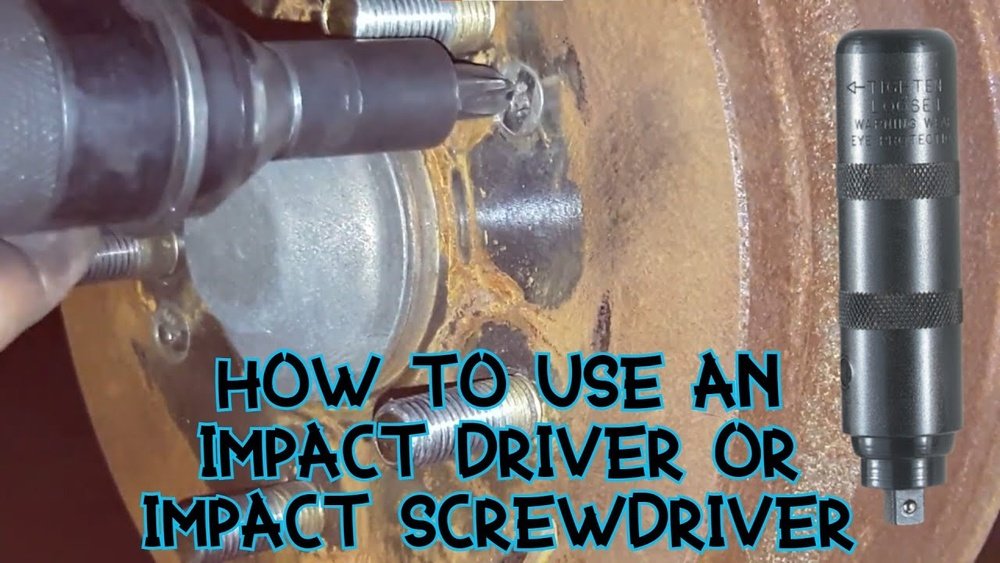
Are you struggling to get stubborn screws out or feeling frustrated with your regular screwdriver? An impact driver screwdriver might be exactly what you need to make your work easier and faster.
Imagine finishing your project without the hassle of slipping screws or hand cramps. In this guide, you’ll discover how to use an impact driver screwdriver like a pro, saving you time and effort on every job. Keep reading to unlock simple tips that can transform your DIY experience.

Credit: www.kaz-metiz.com
Impact Driver Basics
An impact driver is a powerful tool for driving screws and bolts. It uses quick bursts of strong force to turn screws faster and easier. Understanding its basics helps you use it safely and effectively.
This section explains what an impact driver is, how it differs from a drill, and its common uses and benefits.
What Is An Impact Driver
An impact driver is a handheld tool. It delivers rapid twisting force and strong impacts. This helps push screws into hard materials without stripping them. It looks like a drill but works differently inside.
Difference Between Impact Driver And Drill
An impact driver uses quick bursts of force to turn screws. A drill spins continuously with less torque. Drills are good for drilling holes and light screwing. Impact drivers handle tougher jobs with less effort.
Common Uses And Benefits
Impact drivers are great for driving long screws and bolts. They work well on wood, metal, and concrete. The tool reduces hand fatigue and prevents screw damage. It saves time and improves job quality.
Choosing The Right Impact Driver
Choosing the right impact driver is important for your work. The right tool makes your tasks easier and faster. Many factors affect your choice. Knowing these helps you pick the best impact driver for your needs.
Key Features To Look For
Power is one key feature to check. Higher power means the driver can handle tough jobs. Speed control is also important. It helps you work carefully on delicate materials. Look for a comfortable grip. It reduces hand fatigue during long use. Battery life matters if you want cordless models. A longer battery life means more work time. Check the size and weight too. A lightweight tool is easier to carry and use.
Types Of Impact Drivers
There are corded and cordless impact drivers. Corded models provide constant power but limit movement. Cordless drivers offer freedom and flexibility. Brushless impact drivers last longer and need less maintenance. Some drivers come with variable speed settings. These allow you to adjust power for different tasks. Choose a type that fits your usual projects and work style.
Recommended Brands For Beginners
Some brands make user-friendly impact drivers for beginners. They offer good quality and easy use. Look at brands like DEWALT, Makita, and Bosch. These brands provide reliable tools with helpful features. Their products often come with good warranties. Starting with a trusted brand ensures better support and parts availability. This helps beginners feel confident using their impact drivers.
Essential Safety Tips
Using an impact driver screwdriver can make many tasks easier and faster. Safety should always come first to avoid injuries and damage. Following essential safety tips helps you work confidently and protect yourself.
Protective Gear To Wear
Always wear safety goggles to protect your eyes from flying debris. Use gloves to keep your hands safe from sharp edges and vibrations. Ear protection helps reduce noise from the impact driver. Wear sturdy shoes to protect your feet from dropped tools or materials.
Safe Handling Practices
Hold the impact driver firmly with both hands. Keep your fingers away from the rotating parts. Check the tool and bits for damage before use. Use the right bit size for the screws to avoid slipping. Work in a clean, well-lit area to see clearly.
Avoiding Common Mistakes
Do not force the tool if the screw is stuck. Stop and check the bit or screw position first. Avoid using worn or damaged bits to prevent stripping screws. Never point the driver at yourself or others. Keep the battery charged but avoid overcharging it.

Credit: thorfamilylaw.com
Preparing For Use
Preparing your impact driver screwdriver before use is crucial for safety and efficiency. This process ensures the tool works correctly and lasts longer. Taking a few minutes to check everything pays off during your project.
Selecting The Correct Bits
Choose the right bits for your screws. Bits come in many shapes like Phillips, flathead, and Torx. Using the wrong bit can damage the screw or tool. Match the bit size with the screw head for a secure fit. Keep bits clean and free from rust for better performance.
Battery Charging And Maintenance
Charge the battery fully before starting work. A weak battery lowers power and slows you down. Use the charger that came with your tool to avoid damage. Store batteries in a cool, dry place to keep them healthy. Regular charging helps maintain battery life.
Setting Torque And Speed
Adjust the torque to suit the task. Low torque works well for small screws. Higher torque is needed for bigger or tougher screws. Set the speed to control how fast the screw drives in. Start slow to avoid stripping screws or damaging materials. Practice adjusting settings to find what works best.
Step-by-step Usage Guide
Using an impact driver screwdriver is simple once you know the steps. This guide breaks down the process clearly. Follow each step to use the tool safely and effectively.
Inserting And Removing Bits
Start by choosing the right bit for your task. Hold the chuck firmly and pull it forward. Insert the bit straight into the chuck. Release the chuck to lock the bit in place. To remove a bit, pull the chuck forward again. Then, pull the bit out carefully. Always check that the bit fits tightly before use.
Proper Grip And Posture
Hold the impact driver with a firm grip. Keep your wrist straight and steady. Stand with your feet shoulder-width apart for balance. Position the tool so the bit aligns with the screw head. Avoid leaning too far forward or backward. Good posture helps control the tool and reduces fatigue.
Driving Screws Efficiently
Place the bit firmly on the screw head. Apply moderate pressure while pressing the trigger. Let the impact driver do the work. Start at a slow speed to keep control. Increase speed as the screw goes in smoothly. Stop when the screw is flush with the surface. Avoid over-tightening to prevent damage.
Troubleshooting Common Issues
Troubleshooting common issues with an impact driver screwdriver helps save time and effort. Problems may stop your work or damage screws and tools. Knowing how to fix these issues keeps your tool working well.
Below are simple solutions for common problems. These tips help you handle stripped screws, battery troubles, and impact driver malfunctions.
Dealing With Stripped Screws
Stripped screws happen when the driver slips or uses the wrong bit. The screw head becomes damaged and hard to turn. To fix this, try these steps.
- Use a rubber band between the bit and screw for extra grip.
- Switch to a larger or different screwdriver bit that fits well.
- Apply firm, steady pressure while turning slowly.
- If needed, use pliers to turn the screw carefully.
Battery Problems
Battery issues reduce power or stop the tool from working. Check the battery charge first. A low or dead battery is the most common cause.
- Fully charge the battery before use.
- Inspect battery contacts for dirt or damage and clean gently.
- Try another battery if available to rule out battery faults.
- Store batteries in a cool, dry place to extend life.
Impact Driver Not Working
Sometimes the impact driver may not start or respond. This can be due to several reasons beyond the battery.
- Check the switch and trigger for proper function and dirt build-up.
- Make sure the bit is locked tightly in the chuck.
- Listen for unusual noises that may signal mechanical problems.
- Reset the tool by removing the battery and pressing the trigger.
- Refer to the user manual for specific troubleshooting steps.
Maintenance And Storage
Proper maintenance and storage keep your impact driver working well. Care helps avoid damage and saves money on repairs. Clean tools last longer and perform better. Store your driver safely to protect it from dirt and moisture. Check parts often to spot wear early.
Cleaning Your Impact Driver
Remove dust and debris after each use. Use a dry cloth to wipe the surface clean. Blow compressed air into vents to clear dust inside. Avoid water or harsh chemicals that can cause rust. Clean the chuck and bit holder to keep tight grip. Regular cleaning prevents buildup that can harm the tool.
Storing Tips To Extend Life
Store your impact driver in a dry place. Use the original case or a sturdy box for protection. Keep it away from extreme heat or cold. Avoid leaving the tool where it can fall or get crushed. Remove the battery if you won’t use it for a long time. Proper storage stops rust and battery damage.
When To Replace Parts
Check the bit for wear or damage before each job. Replace bits that are dull or bent. Listen for unusual sounds or loss of power during use. Change the battery if it won’t hold charge. Inspect the chuck for cracks or loosening. Timely replacement keeps the driver safe and efficient.
Credit: thorfamilylaw.com
Tips For Advanced Use
Using an impact driver screwdriver goes beyond simple tasks. Advanced tips help you use it more effectively. These tips improve your work quality and efficiency. Focus on material type, tool combination, and control for better results.
Mastering these aspects makes your projects smoother. It also protects your tools and materials from damage. Let’s explore key tips for advanced use.
Using Impact Driver For Different Materials
Different materials need different approaches. For soft wood, use low speed and less force. This stops the wood from splitting. Hard wood requires higher torque for a strong hold. Metal needs special bits to avoid slipping and damage. Use impact-rated bits for concrete or masonry. Adjust your settings based on the material’s toughness and thickness.
Combining With Other Tools
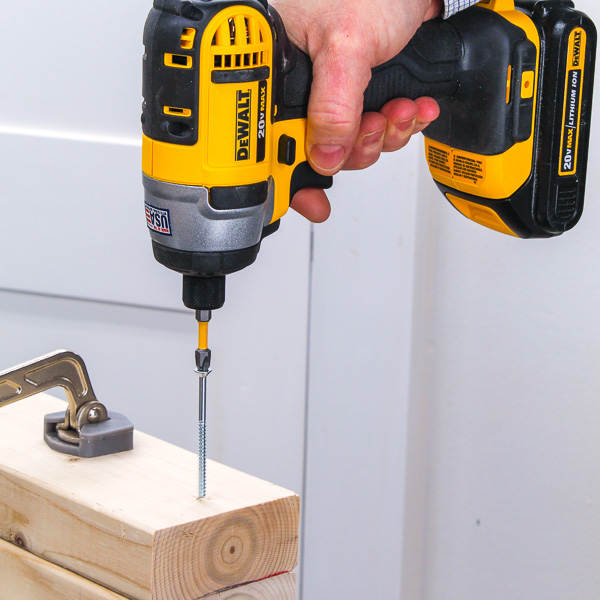
Pair your impact driver with other tools for best results. Use a drill for pilot holes before driving screws. This reduces stress on the driver and screws. A clamp helps hold pieces steady while you work. Measuring tools ensure precise screw placement. Combining tools saves time and improves accuracy.
Improving Speed And Precision
Speed up work without losing control. Keep the driver bit sharp and clean for smooth operation. Hold the tool firmly but not too tight. This reduces shaking and improves precision. Use the right bit size for each screw. Practice steady, even pressure to avoid stripping screws. Adjust speed settings to match the task’s demand.
Frequently Asked Questions
What Is An Impact Driver Screwdriver Used For?
An impact driver screwdriver delivers high torque to drive screws quickly. It’s ideal for tough materials like wood and metal. It reduces hand strain and increases efficiency compared to regular screwdrivers.
How Do You Properly Hold An Impact Driver?
Hold the impact driver firmly with both hands. Keep your wrist straight and align the bit with the screw head. This ensures control and prevents slipping or damage to the screw.
Can I Use An Impact Driver For All Screws?
Impact drivers work best with hex-shank screws and bolts. Avoid using them on delicate or small screws to prevent stripping. Always match the bit size to the screw head for best results.
How To Choose The Right Bit For An Impact Driver?
Select bits made from hardened steel designed for impact use. Choose the correct shape and size matching your screw head. Using the right bit prevents wear and improves driving efficiency.
Conclusion
Using an impact driver screwdriver makes tasks faster and easier. Choose the right bit for each screw. Hold the tool firmly and apply steady pressure. Start with a slow speed to avoid slipping. Practice helps improve your control and accuracy.
Always wear safety gear to protect your eyes and hands. With regular use, you will feel more confident and efficient. This tool is a great help for many projects around the house. Give it a try and see the difference yourself.
