


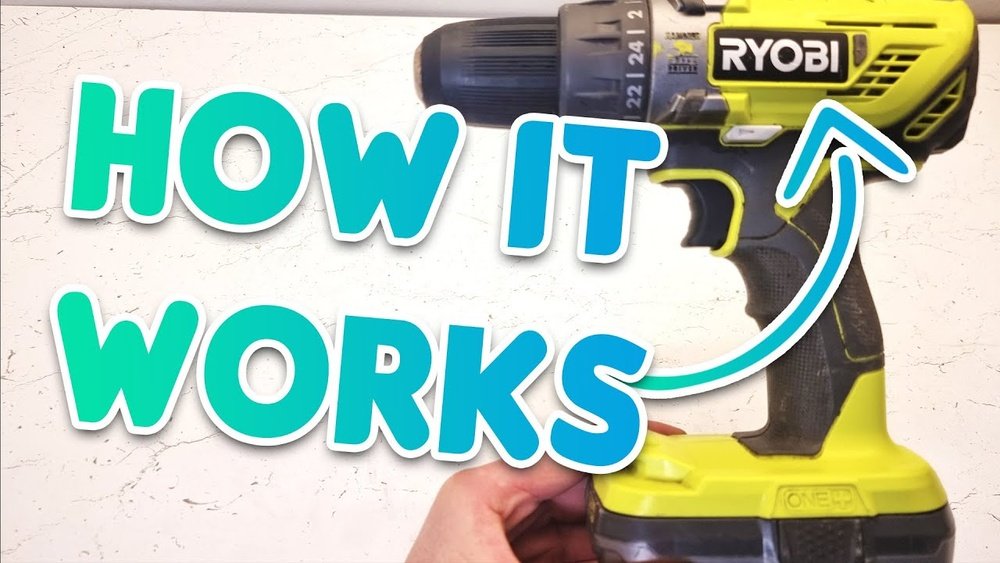
If you’ve got a Ryobi hammer drill, you already have a powerful tool in your hands. But are you getting the most out of it?
Knowing how to use your Ryobi hammer drill correctly can save you time, prevent damage, and make your projects easier and more satisfying. In this guide, you’ll learn simple steps and insider tips to master your drill quickly, whether you’re drilling into wood, metal, or concrete.
Keep reading to unlock the full potential of your Ryobi hammer drill and take your DIY skills to the next level.
Credit: www.homedepot.com
Choosing The Right Ryobi Hammer Drill
Choosing the right Ryobi hammer drill makes your work easier and faster. Different drills serve different tasks. Picking the correct one helps you finish jobs with less effort and better results.
Types Of Ryobi Hammer Drills
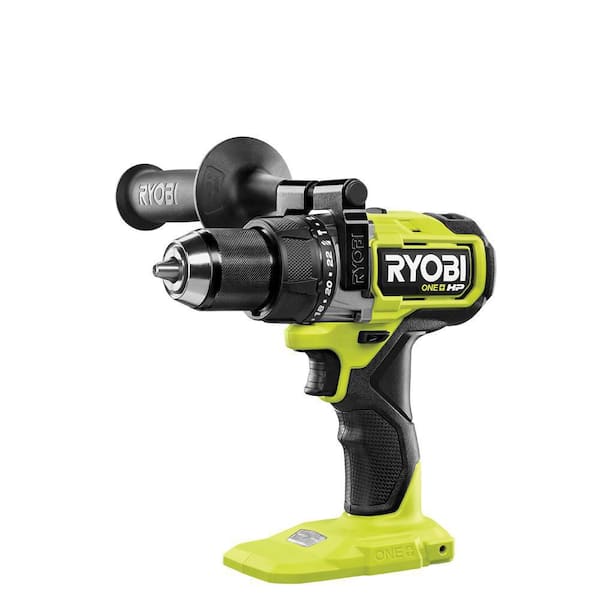
Ryobi offers several types of hammer drills. Some are compact and light. These are good for small home projects. Others are bigger and more powerful. They work well for tough jobs like drilling into concrete or brick.
Some models combine hammer action with regular drilling. This mix lets you switch modes fast. Choose a type that fits the tasks you do most.
Key Features To Consider
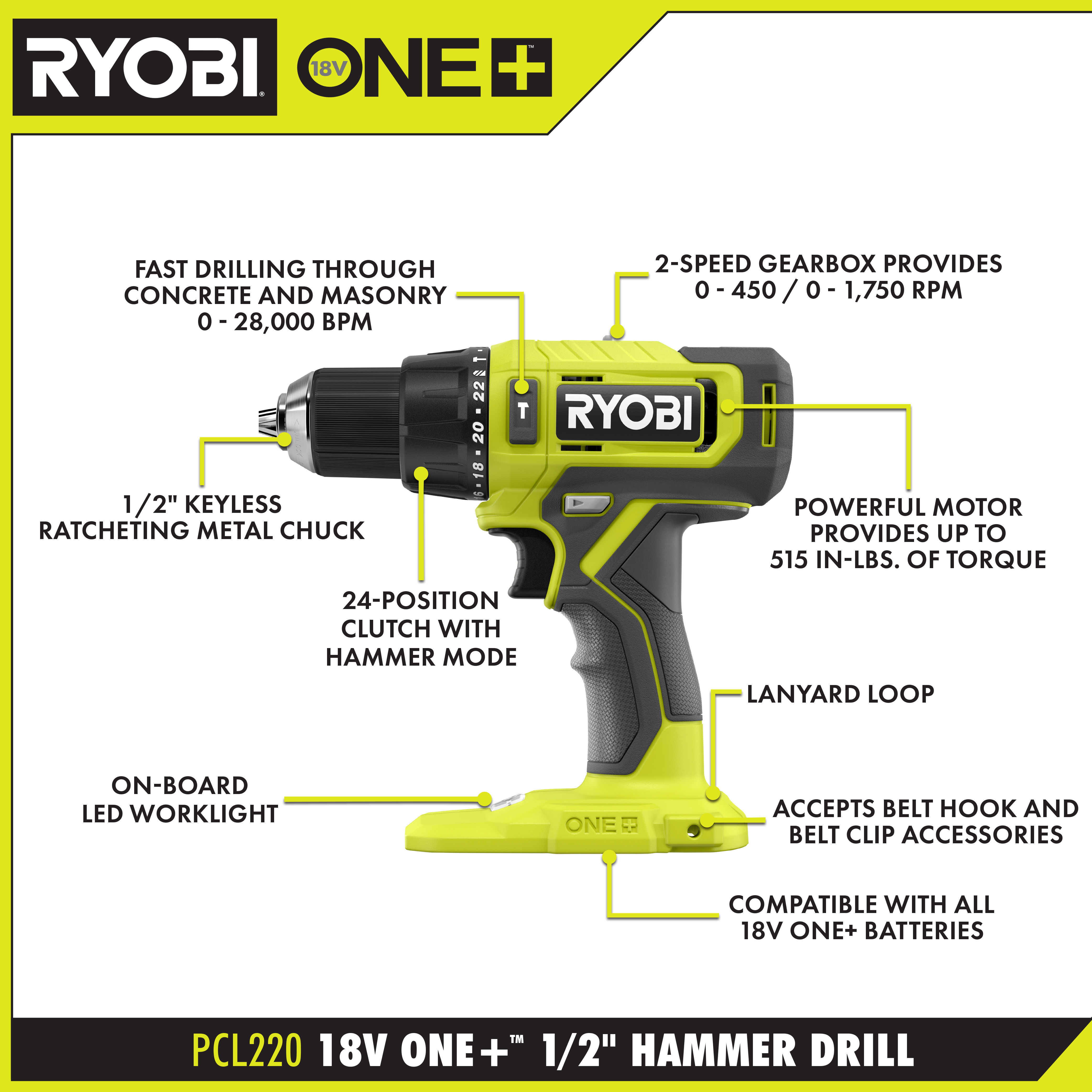
Look at the drill’s power, speed settings, and weight. Power affects how easily the drill handles hard materials. Speed settings help you control the drill better. Weight matters for comfort, especially during long use.
Check if the drill has a built-in LED light. This helps when you work in dark spaces. Also, a comfortable grip reduces hand fatigue. Think about extra features like a depth gauge or a side handle for better control.
Battery Vs. Corded Models
Battery models offer freedom to move around. No cords limit your reach. They work well outdoors or places without power outlets. Battery life and charge time are important to check.
Corded models provide constant power. They do not run out of battery. They suit long projects or heavy-duty tasks. However, cords can limit your movement and cause clutter.
Choose battery if you need mobility. Choose corded if you need steady power.
Preparing For Drilling
Preparing for drilling with a Ryobi hammer drill is an important step. It helps you work safely and get the best results. Taking time to prepare saves effort and avoids mistakes.
Start by choosing the right drill bit. Wear proper safety gear. Check the drill settings before starting. Each step matters for a smooth drilling process.
Selecting The Correct Drill Bit
Pick a drill bit that matches your material. Wood, metal, and concrete need different bits. For concrete, use a masonry bit. For wood, use a spade or twist bit. Make sure the bit fits tightly in the drill chuck. A loose bit can cause wobbling and damage.
Safety Gear Essentials
Wear safety glasses to protect your eyes from dust and debris. Use ear protection to guard against loud noise. Gloves protect your hands from rough surfaces and vibration. A dust mask helps if drilling creates fine dust. Dress in close-fitting clothes to avoid catching on the drill.
Checking Drill Settings
Set the drill to hammer mode for hard surfaces. Use regular drill mode for soft materials. Adjust the speed according to the task. Slow speed works well for metal. Higher speed suits wood and masonry. Check the battery is fully charged. Test the drill on a scrap piece before drilling the main surface.
Step-by-step Drilling Process
Using a Ryobi hammer drill is simple when you follow a clear drilling process. This guide breaks down each step to help you drill clean holes safely and accurately. Understanding each phase makes your work easier and your results better.
Marking The Drill Spot
Start by marking the exact spot where you want to drill. Use a pencil or marker for a clear dot. This helps keep the drill bit steady and stops it from slipping. Double-check the spot before starting to drill.
Starting With Pilot Holes
Drill a small pilot hole first. This makes it easier to drill larger holes later. Use a smaller drill bit for the pilot hole. It guides the bigger bit and reduces mistakes.
Applying The Right Pressure
Hold the drill firmly and apply steady pressure. Press too hard, and you may damage the drill or material. Too little pressure slows down the work. Let the drill do the work; push just enough to keep it cutting smoothly.
Using Hammer Mode Effectively
Switch to hammer mode for tough materials like concrete or brick. The hammer action helps break the surface. Use steady pressure and keep the drill straight. Turn off hammer mode when drilling softer materials like wood or metal.
Credit: ryobitools.ca
Tips For Different Materials
Using a Ryobi hammer drill on different materials needs special care. Each material reacts differently to drilling. Knowing the right tips helps you work safely and well.
Below are important points for drilling into concrete, wood, and metal. These tips protect your tools and make your work easier.
Drilling Into Concrete And Masonry
Use a masonry bit with your hammer drill for concrete. Start with a slow speed to avoid cracking. Let the drill do the work; do not push hard. Use water to cool the drill bit if needed. Wear safety glasses to protect your eyes from dust.
Working With Wood
Choose a wood bit for clean holes. Drill at a steady speed to prevent splintering. Clamp the wood to keep it steady. Use a smaller pilot hole first for hard wood. Avoid hammer mode; it can damage the wood.
Handling Metal Surfaces
Select a metal drill bit for steel or aluminum. Apply light oil on the bit to reduce heat. Drill slowly to keep control and avoid damage. Use a firm grip to keep the drill steady. Avoid hammer action; it can harm metal surfaces.
Maintenance And Troubleshooting
Proper maintenance and troubleshooting keep your Ryobi hammer drill working well. Regular care extends its life and saves money on repairs. Knowing how to fix common problems helps you avoid downtime. This section covers easy steps to clean, care for the battery, and solve issues fast.
Cleaning Your Hammer Drill
Remove dust and dirt from the drill after each use. Use a dry cloth to wipe the outside parts. Avoid water or liquid cleaners that can damage the motor. Blow air into the vents to clear debris inside. Keep the chuck clean and free of rust. Check the drill bit holder for any stuck particles.
Battery Care Tips
Charge the battery fully before the first use. Store the battery in a cool, dry place. Avoid leaving it in extreme heat or cold. Charge only with the charger designed for Ryobi batteries. Do not overcharge; unplug once fully charged. Regularly check battery contacts for dirt and clean gently.
Common Issues And Fixes
The drill won’t start? Check the battery charge and connection. If it stops during use, the motor may be overheated—let it cool down. Strange noises? Tighten loose parts or replace worn brushes. The chuck won’t hold bits? Clean and lubricate it carefully. If problems continue, contact Ryobi support for help.
Maximizing Drill Performance
Maximizing the performance of your Ryobi hammer drill makes every job easier. Small changes can boost power and speed. Proper care helps the drill last longer. Focus on three key areas to get the most from your tool.
Upgrading Drill Bits
Use high-quality bits designed for hammer drills. Stronger bits cut through tough materials faster. Replace worn or dull bits quickly. Sharp bits reduce strain on the drill and battery. Choose the right bit size for each task. This prevents damage and improves accuracy.
Using Accessories
Accessories enhance the drill’s ability to handle different jobs. Depth stops help control drilling depth for consistent holes. Side handles give better grip and stability. Dust collectors keep your work area clean. Make sure accessories fit your Ryobi model properly. This ensures safety and better control.
Optimizing Battery Life
Charge the battery fully before use. Avoid letting the battery drain completely. Store batteries in a cool, dry place. Remove the battery from the drill when not in use. Use the correct charger made for Ryobi batteries. These steps extend battery life and keep power steady.
Credit: www.youtube.com
Frequently Asked Questions
How Do I Operate A Ryobi Hammer Drill Safely?
Always wear safety gear and read the manual first. Secure your workpiece and use the correct drill bit. Start drilling at low speed, applying steady pressure. Avoid forcing the drill to prevent damage or injury.
What Drill Bits Work Best With Ryobi Hammer Drills?
Use masonry bits for concrete and brick. High-speed steel bits suit wood and metal. Always choose the right bit size and type for your material to ensure efficient drilling and avoid bit damage.
How To Switch Between Hammer And Drill Modes On Ryobi?
Locate the mode selector on the drill. Slide or rotate it to choose hammer or drill mode. Ensure the drill is off before switching modes to prevent accidental starts and damage.
Can I Use Ryobi Hammer Drill For Metal Drilling?
Yes, use the correct metal drill bits. Set the drill to standard drilling mode, not hammer. Apply moderate pressure and maintain steady speed for clean holes in metal surfaces.
Conclusion
Using the Ryobi hammer drill is simple and effective. Follow safety steps for the best results. Choose the right drill bit for your task. Keep steady pressure while drilling to avoid mistakes. Clean and store your drill after use. This tool helps finish projects faster and easier.
Practice a little to build your confidence. Now, you are ready to handle many drilling jobs. Enjoy working with your Ryobi hammer drill!
