



Using the air pump at a gas station is quick and straightforward. This guide walks you through each step, from preparing your vehicle to finishing the process safely. With these tips, you’ll keep your tires in top shape and improve your driving experience.
Key Takeaways
- Locate the air pump: Find the designated air station on the gas station premises, usually near the fuel pumps.
- Check your tire pressure: Use a tire pressure gauge to know the correct PSI for your tires before filling.
- Prepare the pump: Attach the air hose securely to your tire valve to prevent air leaks.
- Fill your tires: Inflate slowly, checking the pressure regularly to avoid over-inflating.
- Finish safely: Remove the hose carefully, replace the valve cap, and repeat for all tires.
- Maintain your tires: Regularly check and maintain proper tire pressure for safety and fuel efficiency.
Introduction
Keeping your tires properly inflated is essential for safe driving, good fuel economy, and prolonging tire life. Gas stations often have air pumps available for free or small fees, making it easy to check and top off your tires anytime. In this guide, you’ll learn how to use the air pump at a gas station step-by-step. Whether you’re new to this or need a refresher, our friendly instructions will help you do it confidently and safely.
Step 1: Locate the Air Pump
Find the designated air station
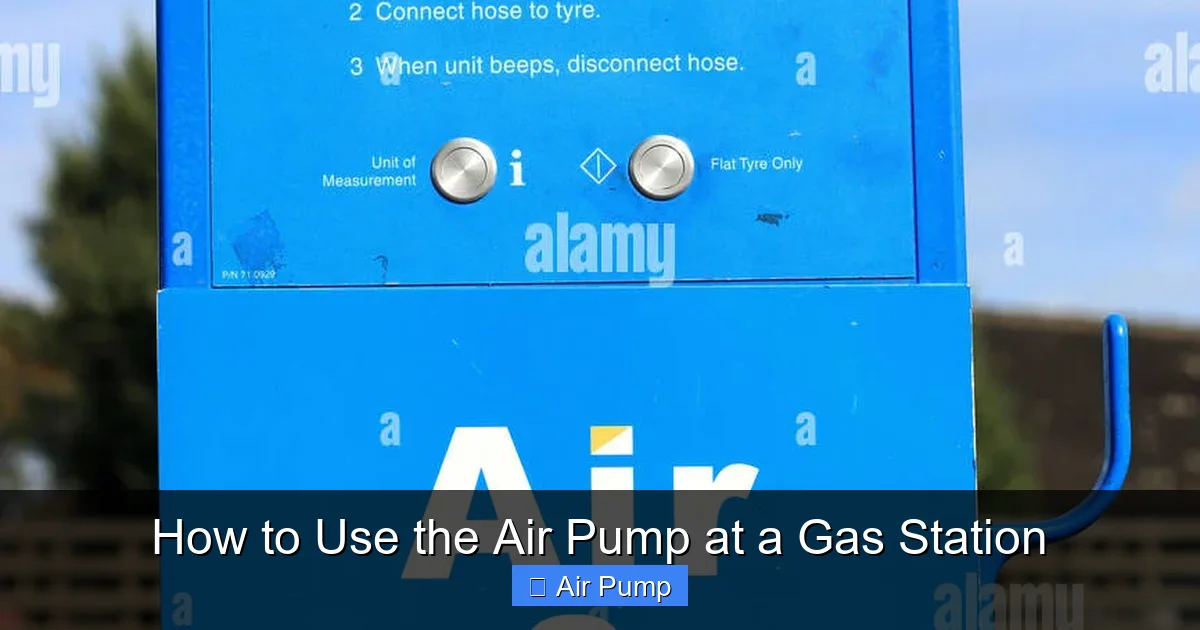
Most gas stations have a dedicated area for air and water services, often near the fuel pumps or at the side of the lot. Look for signs that say “Air” or “Tire Inflation.” Sometimes, the air pump is a standalone unit or part of a larger air and water station. If you’re unsure, ask an attendant or look for nearby instructions.

Visual guide about How to Use the Air Pump at a Gas Station
Image source: c8.alamy.com
Identify the type of air pump
Some stations have free air pumps, while others may charge a small fee. The pump might be a coin-operated machine or an electronic one accepting credit/debit cards. Check for instructions on the machine or nearby signs to understand how to operate it.
Step 2: Check Your Tire Pressure
Gather your tools
Use a reliable tire pressure gauge, which can be purchased at auto parts stores or kept in your car. Many gas stations also have built-in pressure gauges on the air pump itself.
Visual guide about How to Use the Air Pump at a Gas Station
Image source: c8.alamy.com
Find the correct PSI
Look inside your car door frame or in the owner’s manual for the recommended tire pressure, usually expressed in PSI (pounds per square inch). Maintaining the correct PSI ensures safety and efficiency.
Step 3: Prepare the Air Pump
Turn on the pump
If it’s a manual or electronic pump, follow the instructions displayed on the machine. For coin-operated units, insert coins or pay with a card as required.
Inspect the hose and nozzle
Ensure the hose is in good condition, with no visible cracks or leaks. If there’s a built-in pressure gauge, note the current pressure reading.
Step 4: Attach the Hose to Your Tire
Remove the valve cap
Unscrew the small cap on your tire valve stem. Keep it in a safe place to replace later.
Connect the nozzle securely
Place the air pump’s nozzle onto the tire valve stem. Press down firmly to create an airtight seal. Some pumps have a lever you need to flip to lock the nozzle in place.
Check the connection
Make sure the nozzle is snug and secure; a loose connection can cause air leaks and inaccurate readings.
Step 5: Inflate Your Tires
Start filling slowly
Activate the pump, either by pressing a button or lever. Fill the tire gradually, listening for the air flow. Many pumps have a built-in gauge to monitor pressure as you inflate.
Monitor the pressure
Stop inflating periodically to check the pressure using your gauge or the pump’s built-in gauge. This helps avoid over-inflating, which can be dangerous and reduce tire lifespan.
Reach the recommended PSI
When the tire reaches the proper pressure, turn off the pump, and disconnect the nozzle carefully.
Step 6: Finish and Double-Check
Replace the valve cap
Screw the small cap back onto the valve stem to keep dirt and moisture out.
Repeat for all tires
Check and inflate each tire as needed, including the spare tire if you keep one in your vehicle.
Final pressure check
Use your pressure gauge again to confirm all tires are at the correct PSI for safe driving.
Practical Tips and Troubleshooting
- Dealing with leaks: If the nozzle isn’t sealing well, try adjusting your grip or repositioning the hose. If you hear hissing sounds, check for leaks or damage.
- Over-inflation: Always check the pressure frequently. If you over-inflate, release some air by pressing the valve stem gently.
- Cold vs. hot tires: Remember that tire pressure can vary with temperature. Check pressure when tires are cold for the most accurate reading.
- Maintenance tips: Regularly checking your tire pressure—at least once a month—can prevent uneven wear and improve safety.
Conclusion
Using the air pump at a gas station is a simple task that takes just a few minutes. By following these step-by-step instructions, you can ensure your tires are properly inflated, which helps with safety, fuel economy, and extending tire life. Remember to check your tire pressure regularly and keep your vehicle in top shape for every drive.
Final Thoughts
Next time you visit a gas station, take a moment to check your tire pressure. It’s a small effort that pays off with safer driving and better mileage. With practice, using the air pump will become quick and effortless. Stay safe on the road!
