


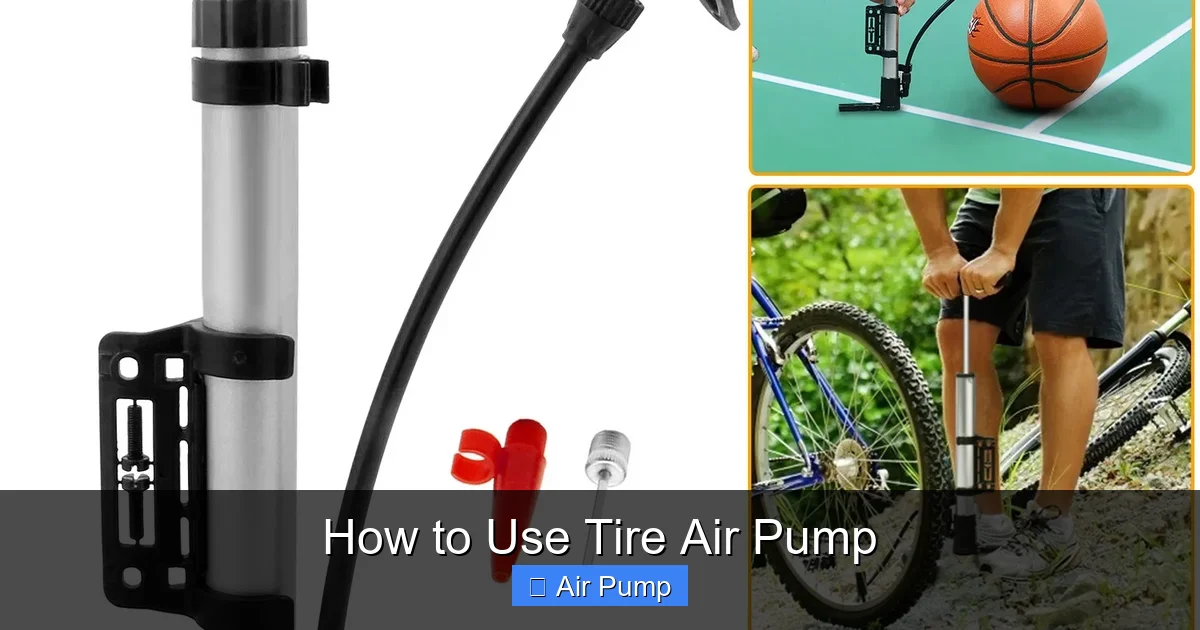
In this guide, you’ll learn how to use a tire air pump effectively. Whether you’re using a manual or electric pump, we cover all the essential steps to ensure your tires are properly inflated for safety and efficiency.
Key Takeaways
- Choose the right pump: Select a manual or electric tire air pump based on your needs and convenience.
- Check your tire pressure: Use a tire pressure gauge to know the recommended PSI for your vehicle.
- Prepare the pump: Ensure the pump is clean, functional, and set up correctly before use.
- Attach the nozzle securely: Properly connect the air pump nozzle to the tire valve for an airtight seal.
- Inflate gradually: Add air in small amounts, checking pressure frequently to avoid over-inflation.
- Safety first: Turn off the pump and detach carefully, then check tire pressure again for accuracy.
- Troubleshoot common issues: Address leaks or pump malfunctions promptly for safe tire inflation.
Introduction
Keeping your tires properly inflated is crucial for safety, fuel efficiency, and tire longevity. If your tires are under or over-inflated, it can affect your vehicle’s handling and increase the risk of tire damage. Using a tire air pump is a simple, effective way to maintain the correct tire pressure. Whether you own a manual pump, an electric pump, or a portable air compressor, this guide will walk you through the entire process step-by-step. By the end, you’ll be confident in how to use a tire air pump correctly and safely.
Choosing the Right Tire Air Pump
Manual vs. Electric Pumps
Manual pumps, like hand pumps and foot pumps, require physical effort but are portable and inexpensive. Electric pumps are powered by your car’s 12V outlet or a battery, making them faster and easier to use. Choose based on your needs, frequency of use, and convenience.
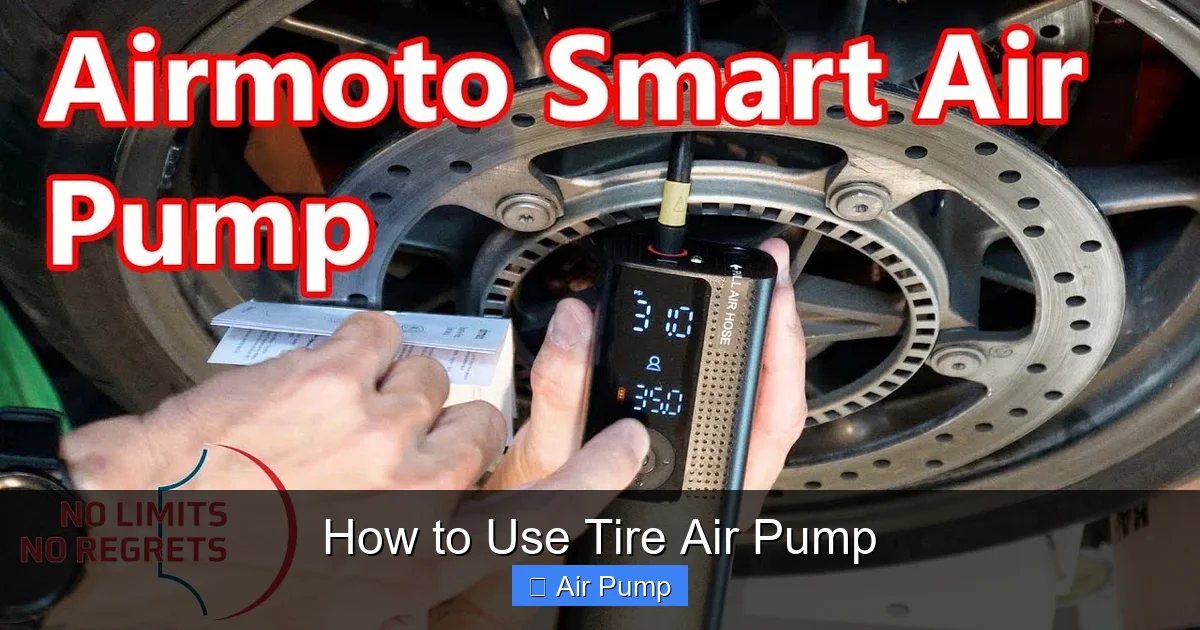
Visual guide about How to Use Tire Air Pump
Image source: i.ytimg.com
Portable Air Compressors
If you often need to inflate tires on the go, a portable air compressor with a digital display can be very handy. They often come with additional features like auto-shutoff and multiple nozzle attachments.
Step 1: Check Your Tire Pressure
Use a Tire Pressure Gauge
Before inflating, determine the correct PSI (pounds per square inch) for your tires. Find this information on the driver’s side door frame or in the vehicle owner’s manual. Use a reliable tire pressure gauge to measure your current tire pressure.

Visual guide about How to Use Tire Air Pump
Image source: hondatheotherside.com
- If the pressure is below the recommended PSI, you need to add air.
- If it’s above, you may need to release some air or check for leaks.
Step 2: Prepare Your Air Pump
Inspect the Pump
Ensure your tire air pump is clean and in good working condition. Check the power source—whether it’s a battery, wall outlet, or your vehicle’s 12V socket.
Gather Necessary Accessories
Collect the nozzle adapters if your pump comes with multiple attachments. Also, have your tire pressure gauge ready for quick checks.
Step 3: Attach the Pump to Your Tire
Locate the Tire Valve
The valve stem is a small rubber or metal tube sticking out from your tire’s rim. Remove the valve cap by unscrewing it.
Connect the Nozzle
Place the pump’s nozzle securely onto the valve stem. Make sure it’s airtight to prevent air leakage. For manual pumps, you might need to hold it firmly during inflation. For electric pumps, some automatically lock onto the valve.
Step 4: Inflate the Tire
Start Pumping
Turn on the pump or begin manual pumping. Add air slowly, especially with manual pumps, to avoid over-inflation.
Monitor the Pressure
Periodically check the tire pressure using your gauge. Stop inflating once you reach the recommended PSI. It’s better to check frequently than to over-inflate.
Practical Tips:
- Inflate in small increments of 1-2 PSI.
- Keep the pump nozzle firmly attached during inflation.
- If using an electric pump, watch for automatic shutoff features to prevent over-inflation.
Step 5: Detach and Final Checks
Remove the Nozzle
Once the desired pressure is achieved, turn off the pump and carefully detach the nozzle from the valve stem.
Replace the Valve Cap
Screw the valve cap back onto the valve stem to prevent dirt and debris from entering.
Final Pressure Check
Use your tire pressure gauge one last time to ensure the tire is inflated to the correct PSI. Adjust if necessary by adding or releasing air.
Practical Tips for Safe Tire Inflation
- Always check your tire pressure when tires are cold for the most accurate reading.
- Inflate tires on a flat, level surface for consistent results.
- Keep an eye on the pump’s power source—avoid overloading or damaging it.
- If you notice a hissing sound or the pump isn’t maintaining pressure, check for leaks or faulty components.
Troubleshooting Common Issues
Air Leak at the Valve
If you hear hissing after attaching the nozzle, ensure the connection is tight and the valve cap is in place. Reattach the nozzle firmly or replace the valve cap if damaged.
Pump Not Turning On
Check power connections—battery terminals, cord, or socket. Replace batteries if needed, or test the outlet with another device.
Over-inflation
If you accidentally over-inflate, release some air using the valve or a dedicated valve tool. Recheck the pressure afterward.
Conclusion
Inflating your tires with a tire air pump is a simple task that can significantly improve your driving safety and fuel efficiency. By choosing the right pump, checking your tire pressure regularly, and following proper steps, you can keep your tires in optimal condition. Remember to always follow safety precautions and troubleshoot issues promptly to ensure smooth and safe rides every time.
