


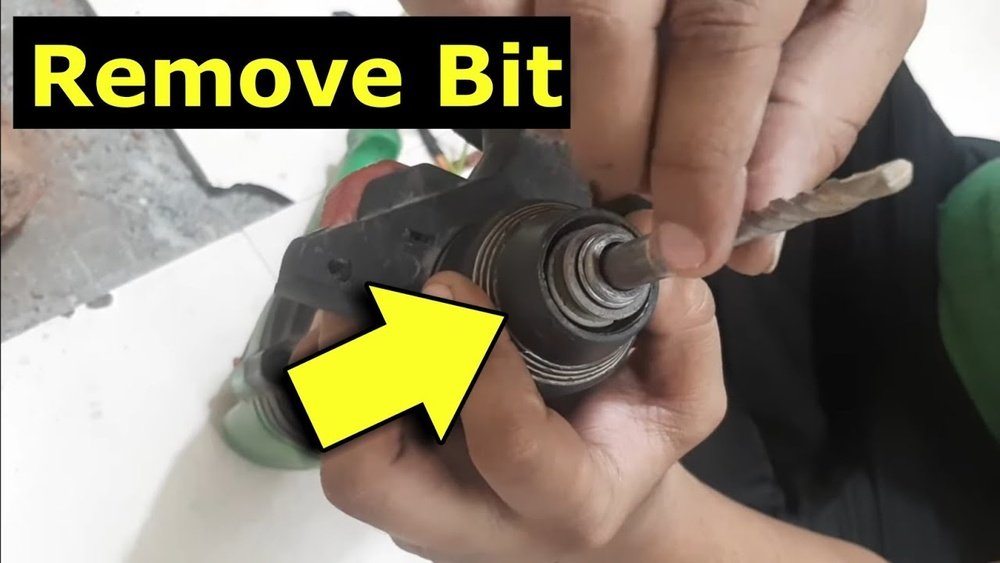
If you’ve ever struggled with removing a bit from your Bosch hammer drill, you’re not alone. It can be tricky, especially if the bit is stuck or tightly secured.
But don’t worry—this guide will show you simple, effective steps to get that bit out quickly and safely. By the end, you’ll feel confident handling your drill like a pro, saving time and avoiding frustration. Ready to make your tool work smoothly again?
Let’s dive in.

Credit: www.reddit.com
Identify The Bit Type
Identifying the bit type is the first step in removing the bit from a Bosch hammer drill. Different bits fit differently into the drill. Knowing the bit type helps you unlock the right removal method. It saves time and prevents damage to your tool or bit.
Common Bosch Hammer Drill Bits
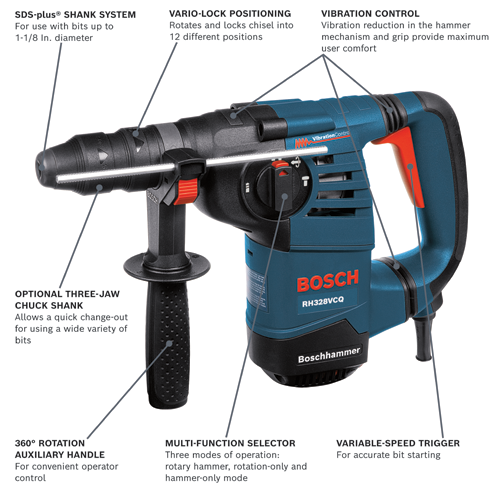
Bosch hammer drills use several bit types. The most common include SDS-Plus, SDS-Max, and standard drill bits. SDS-Plus bits have small grooves that lock into the chuck. SDS-Max bits are larger and used for heavy-duty tasks. Standard drill bits fit into a regular chuck with a smooth shaft.
How To Recognize Sds-plus And Sds-max Bits
SDS-Plus bits have four slots on the shank. They slide into the chuck and lock with a click. SDS-Max bits have bigger shanks with similar slots but are thicker. Look at the size and shape to tell them apart. This helps avoid confusion when removing bits.
Identifying Standard Drill Bits
Standard drill bits have a smooth, round shank. They do not have grooves or slots. These bits fit into a keyed or keyless chuck. They are common in many household drills. Recognizing these bits is easy by their simple shape.
Credit: www.boschtools.com
Prepare The Drill
Preparing the drill is the first step to safely remove the bit from your Bosch hammer drill. This step helps avoid accidents and makes the process easier. Taking time to prepare ensures you handle the tool correctly.
Follow these simple steps before removing the bit.
Power Off And Unplug
Always turn off the drill before starting. Switch the power button to the off position. Then, unplug the drill from the electrical outlet. This stops the drill from turning on by mistake. It also protects you from electric shock while working.
Secure The Drill
Hold the drill firmly or place it on a stable surface. Use a clamp or a vise if needed to keep it steady. A secure drill prevents slipping and makes removing the bit safer and easier. Avoid holding the drill in your hand while removing the bit.
Locate The Chuck
Locating the chuck on a Bosch hammer drill is the first step to remove the bit safely. The chuck holds the drill bit in place. Knowing where it is helps you unlock and remove the bit easily.
The chuck is at the front of the drill. It looks like a round collar that grips the bit tightly. It may have ridges or a textured surface for better grip.
Identify The Type Of Chuck
Bosch hammer drills usually have two types of chucks: keyless or keyed. Keyless chucks twist by hand to release the bit. Keyed chucks need a special tool called a chuck key.
Check The Position Of The Chuck
The chuck sits right where the bit enters the drill. It connects the drill body and the bit. This location is easy to find by tracing the bit backward.
Ensure The Drill Is Powered Off
Before touching the chuck, switch off the drill. Unplug it or remove the battery for safety. This prevents accidental starts while removing the bit.

Credit: www.youtube.com
Release The Chuck
Removing the bit from a Bosch hammer drill starts with releasing the chuck. The chuck holds the bit tightly in place during work. Loosening it makes the bit easy to remove. There are two common ways to release the chuck. Choose the method that fits your drill model and your comfort.
Twist Method
Most Bosch hammer drills have a keyless chuck. Hold the drill firmly with one hand. Use your other hand to twist the chuck sleeve counterclockwise. This action loosens the grip on the bit. Keep twisting until the bit can be pulled out easily. This method is quick and requires no extra tools.
Use The Chuck Key
Some Bosch models use a keyed chuck. Insert the chuck key into the hole on the chuck. Turn the key counterclockwise to loosen the jaws. The bit will become loose and ready to remove. Keep turning until the bit slides out easily. Store the key in a safe place for future use.
Remove The Bit Safely
Removing the bit from a Bosch hammer drill needs care and attention. Safety is key to avoid injury and damage to the tool. Follow simple steps to remove the bit without trouble.
Always make sure the drill is turned off before starting. This prevents accidental starts that can cause harm. Unplug the drill or remove its battery for extra safety.
Use The Correct Grip
Hold the drill firmly with one hand. Use your other hand to grip the bit or chuck. A steady grip keeps the tool stable and the bit secure.
Locate the chuck at the front of the drill. Turn the chuck counterclockwise to loosen it. This releases the bit and allows easy removal.
Pull Out The Bit Gently
Once the chuck is loose, pull the bit straight out. Avoid twisting or forcing it. Gentle pulling prevents damage to the bit and drill.
Inspect The Bit And Chuck
Check the bit for wear or damage. Look inside the chuck for dirt or debris. Clean both parts to keep your drill working well.
Troubleshoot Stuck Bits
Stuck bits in your Bosch hammer drill can slow down your work. They cause frustration and delay. Knowing how to fix this issue saves time and effort. This section shows simple ways to troubleshoot stuck bits safely.
Apply Lubricant
Start by applying a small amount of lubricant to the stuck bit. Use a light oil or spray designed for tools. Let the lubricant sit for a few minutes. This helps loosen rust and dirt. Avoid using too much to keep the drill clean.
Tap Gently
After lubrication, tap the bit gently with a small hammer. Do this carefully to avoid damage. Light taps can help break the bit free. Avoid strong hits that may harm the drill or bit. Repeat tapping and lubrication if needed.
Seek Professional Help
If the bit remains stuck, ask a professional for help. They have the right tools and knowledge. Trying to force the bit out can cause damage. A professional can safely remove the bit and check your drill.
Maintain Your Bosch Hammer Drill
Maintaining your Bosch hammer drill ensures it works well for a long time. Simple care steps keep the tool safe and ready. A well-kept drill performs better and lasts longer. Follow these tips to keep your drill in top shape.
Regular Cleaning
Clean your drill after each use. Remove dust and debris from vents and surfaces. Use a dry cloth or soft brush for cleaning. Avoid water or harsh chemicals that can damage parts. Clean the chuck to stop dirt buildup. This keeps the drill running smoothly.
Proper Storage
Store your Bosch hammer drill in a dry place. Keep it away from moisture and direct sunlight. Use the original case if available. This protects the drill from dust and damage. Store the drill with the bit removed to avoid strain. Proper storage helps maintain its condition.
Routine Checks
Check your drill regularly for wear or damage. Inspect the power cord and plug for cuts or frays. Test the chuck to ensure it grips the bit firmly. Tighten loose screws and parts as needed. Early problem detection prevents bigger issues later. Routine checks keep your drill safe and effective.
Frequently Asked Questions
How Do I Remove A Bit From A Bosch Hammer Drill?
To remove a bit, first turn off and unplug the drill. Hold the chuck firmly and twist it counterclockwise. This loosens the bit. Once loose, pull the bit straight out. Always ensure the drill is powered off for safety.
What Tools Are Needed To Remove Bosch Drill Bits?
No extra tools are required to remove bits from Bosch hammer drills. The keyless chuck allows hand tightening and loosening. Simply grip the chuck and twist to release the bit. This design makes bit changes quick and tool-free.
Why Won’t My Bosch Hammer Drill Bit Come Out?
If the bit won’t come out, the chuck may be too tight. Try twisting the chuck harder counterclockwise. Applying slight oil to the chuck can help loosen stuck parts. Avoid using excessive force to prevent damage.
Can I Remove The Drill Bit While The Hammer Drill Is Running?
Never attempt to remove the bit while the drill is running. Always switch off and unplug the tool first. Removing bits during operation risks injury and damages the drill’s chuck.
Conclusion
Removing the bit from a Bosch hammer drill is simple with the right steps. Always hold the drill firmly before you start. Turn the chuck to loosen the bit carefully. Avoid forcing it to prevent damage. Practice this a few times to gain confidence.
This skill saves time and keeps your tools in good shape. Keep your drill clean and store bits properly after use. Now, you can change bits quickly and work more efficiently.
