


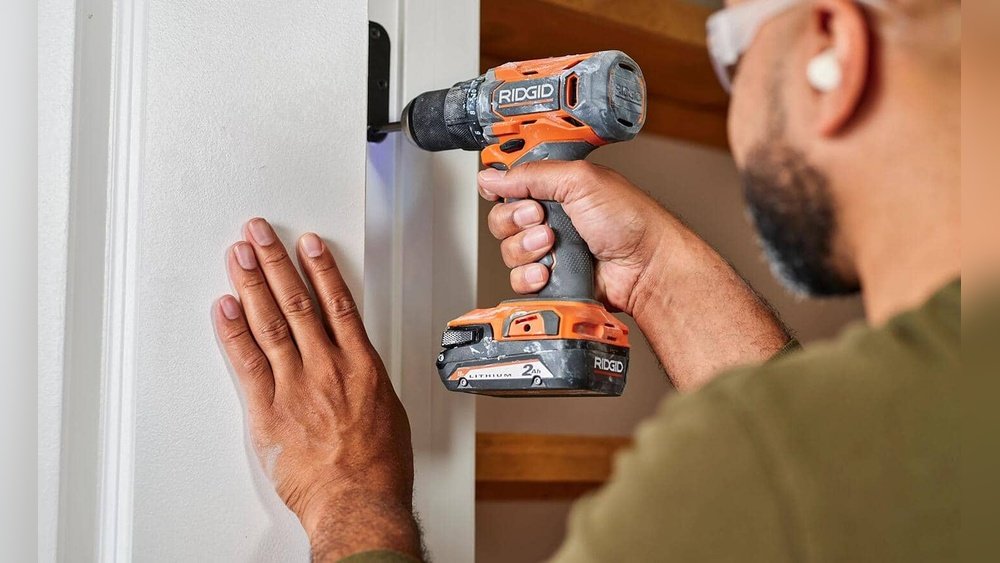
Are you wondering if a cordless drill is all you really need for your DIY projects? You might be tempted to grab just one tool and call it a day.
But before you do, think about what you want to build, fix, or create. Can a cordless drill handle every task, or will you find yourself reaching for more? Keep reading to discover the truth about cordless drills and whether they can truly be your only tool.
Your next project could depend on it.
Credit: www.homedepot.com
Cordless Drill Basics
A cordless drill is a popular tool for many tasks around the home. It runs on batteries, so there is no need for a power cord. This makes it easy to carry and use anywhere. Understanding the basics of a cordless drill helps you decide if it is enough for your projects.
Many people ask if a cordless drill alone can do all their work. Knowing the key features and common uses of this tool can help answer that question.
Key Features
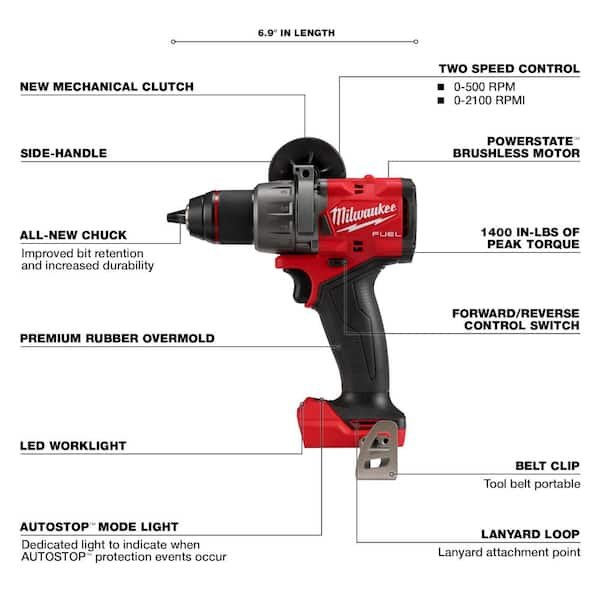
A cordless drill has a motor powered by a rechargeable battery. It is lightweight and easy to handle. The drill usually has adjustable speed settings for different tasks. Most models come with a chuck that holds drill bits or screwdriver bits. Some drills also have a hammer mode to drill into harder materials like concrete.
Battery life varies, but many drills offer enough power for small to medium jobs. The tool often includes a built-in LED light to help see dark areas. Many cordless drills also have ergonomic grips for comfort during use.
Common Uses
A cordless drill is great for drilling holes in wood, metal, and plastic. It is useful for assembling furniture and hanging shelves. The tool can also drive screws quickly and accurately. Many DIY projects rely on a cordless drill for ease and speed.
Some cordless drills work well for light masonry tasks, such as fixing wall anchors. It is a versatile tool that fits many household and workshop needs. However, very heavy-duty tasks may require other tools.
Benefits Of Cordless Drills
Cordless drills offer many benefits that make them popular for home and work projects. They provide freedom and flexibility. Users can work without the limits of a power cord. These drills are easy to carry and use in different places. Modern battery technology makes them more reliable and powerful. Understanding these benefits helps decide if a cordless drill fits your needs.
Portability And Convenience
Cordless drills are lightweight and easy to carry. No cords mean you can move freely. They work well in tight or remote spaces. You do not need to find a power outlet. This saves time and effort. Carrying a cordless drill is simple during jobs. It fits in tool bags or belts. Portability makes it great for various tasks.
Ease Of Use
Using a cordless drill is simple for beginners. They start quickly with just a button. No need to plug or unplug cords. Controls are straightforward and easy to understand. The drill’s balanced design reduces hand fatigue. It allows better control and precision. This ease helps complete projects faster and safer.
Battery Technology
Modern batteries last longer and charge faster. Lithium-ion batteries are common in cordless drills. They hold charge well and weigh less. Batteries provide consistent power during use. Many drills have removable batteries for quick swaps. This means less downtime on projects. Battery technology improves drill performance greatly.
Limitations To Consider
Choosing a cordless drill seems simple and handy. Yet, it has some limits you should know. These limits affect how well the drill works for different jobs. Understanding these can help you decide if a cordless drill is enough for your tasks.
Power And Torque
Cordless drills often lack the power of corded models. They may struggle with tough materials like thick wood or metal. Low torque means the drill can’t turn screws or bits as forcefully. This can slow down your work or cause the drill to stop.
Battery Life And Charging
Batteries run out after some use. Long projects may pause while the battery recharges. Some drills have short battery life, which limits continuous work. Carrying extra batteries helps but adds weight and cost. Charging times can also delay your progress.
Durability In Heavy-duty Tasks
Cordless drills are not made for heavy-duty use daily. Constant heavy work may wear out parts faster. Overheating can happen with long use, damaging the drill. For big jobs, a more robust tool may last longer and work better.
Credit: www.thegoodlifecentre.co.uk
When You Might Need More
Choosing a cordless drill is smart for many tasks. They are light and easy to use. But some jobs need tools with special power or features. Knowing when to use other tools helps you get the job done right.
Different drills serve different needs. Some tasks require more strength or specific motion. Here are some tools that can help beyond a cordless drill.
Corded Drills
Corded drills offer constant power. They never run out of battery. This makes them good for long projects. They often have more torque than cordless drills. Use them for heavy drilling or when power matters most.
Hammer Drills
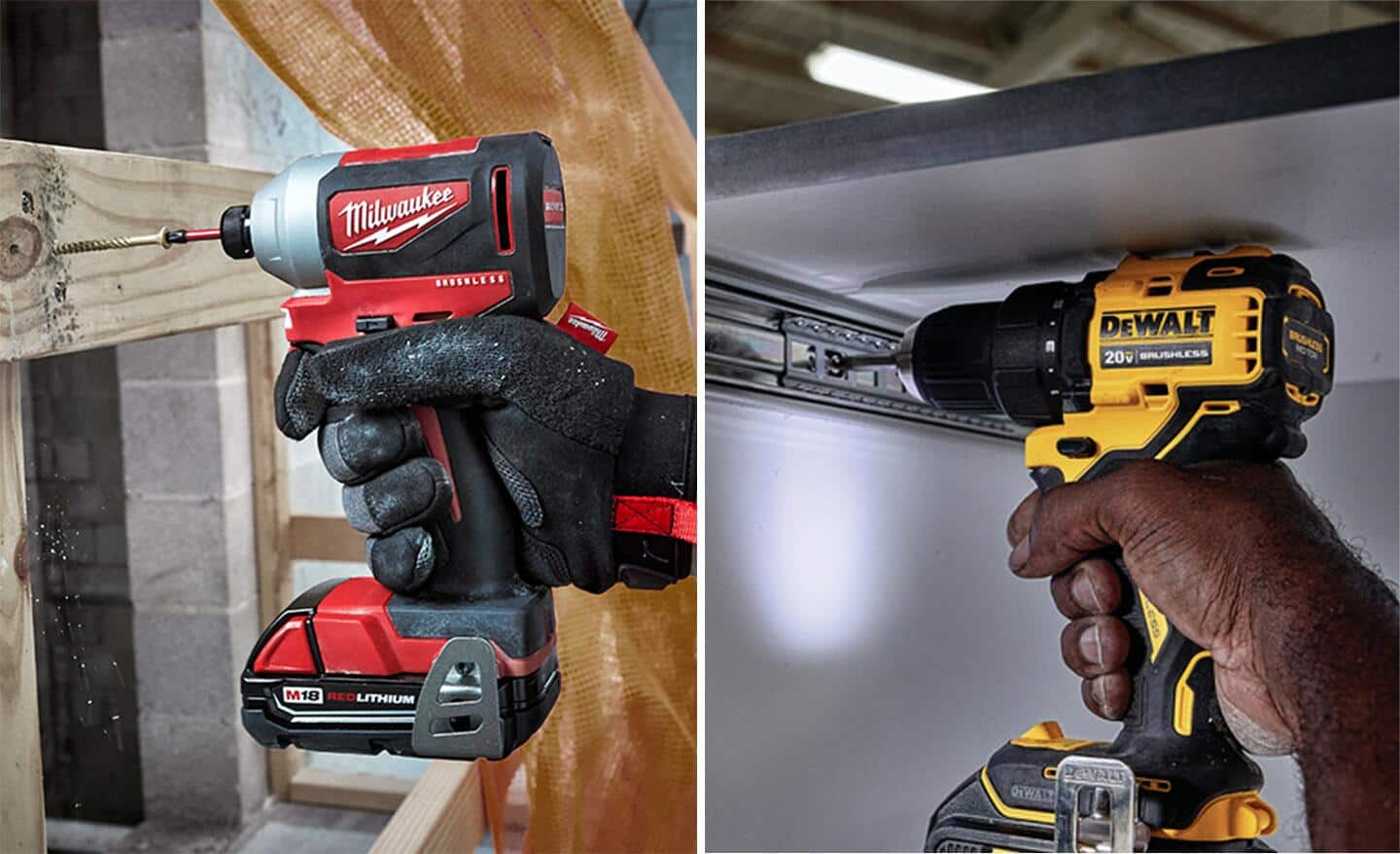
Hammer drills add a pounding action to the drill spin. This helps break through tough materials like concrete or brick. They work well for construction or outdoor jobs. A cordless drill may struggle with these hard surfaces.
Impact Drivers
Impact drivers give extra turning force. This helps drive large screws or bolts easily. They reduce hand strain and improve control. Impact drivers are great for building decks or working with wood.
Choosing The Right Drill
Picking the right drill is key to finishing your tasks well. Not all drills fit every job. Some are great for light work, others for heavy projects. Knowing what you need helps you pick a drill that works best. This saves time and effort.
Think about how often you will use the drill. Think about the types of materials you will work with. These details guide your choice. A good drill feels right in your hand. It matches your skill level and project needs.
Assessing Your Projects
Start by listing your common projects. Are they for small fixes or big builds? Light projects need less power. Heavy projects need strong drills with high torque. Also, consider the drill’s speed settings. Variable speed helps with different materials.
Budget And Brand Options
Set a budget before buying. Good drills come in many price ranges. Popular brands offer reliable tools. They often provide better warranties and support. Cheaper brands might save money but may break sooner. Balance cost with quality for best value.
Accessories And Attachments
Look for drills that accept many attachments. Drill bits, screwdriver heads, and sanding pads add uses. Some drills come with useful kits. Extra batteries and chargers improve convenience. Choose a drill that grows with your needs.
Credit: www.homedepot.com
Maintenance Tips
Proper care keeps your cordless drill working well for a long time. Simple maintenance steps prevent damage and save money. These tips help you get the most from your tool.
Battery Care
Charge the battery before it runs out completely. Avoid overcharging by removing it from the charger promptly. Store batteries in a cool, dry place to keep them healthy. Clean battery contacts regularly to maintain a good connection.
Tool Storage
Keep your cordless drill in a case or toolbox. Avoid leaving it in damp or dusty areas. Store it away from direct sunlight and heat sources. Secure the drill to prevent it from falling or getting damaged.
Regular Inspection
Check your drill for loose parts or damage before use. Look for worn-out drill bits and replace them. Test the trigger and switch to ensure they work smoothly. Clean the drill after each use to remove dust and debris.
Frequently Asked Questions
Is A Cordless Drill Enough For All Home Projects?
A cordless drill is versatile for many tasks like drilling and screwing. However, complex projects may need additional tools for best results.
What Are The Limitations Of A Cordless Drill?
Cordless drills may lack power for heavy-duty tasks. Battery life can limit long use. Some materials require specialized tools.
Should I Buy Extra Batteries For A Cordless Drill?
Yes, extra batteries ensure continuous work without interruption. They are convenient for long projects and reduce downtime during charging.
Can A Cordless Drill Replace A Corded Drill?
Cordless drills offer portability but usually less power than corded drills. For frequent heavy tasks, corded drills may be more reliable.
Conclusion
A cordless drill suits many basic tasks well. It offers ease and freedom without a cord. Still, some projects need extra tools. For heavy work, a corded drill or other equipment helps. Think about what you will build or fix.
Choose tools that match your needs. A cordless drill is handy but not always enough. Balance convenience with the right gear. This way, your work stays smooth and effective.
