


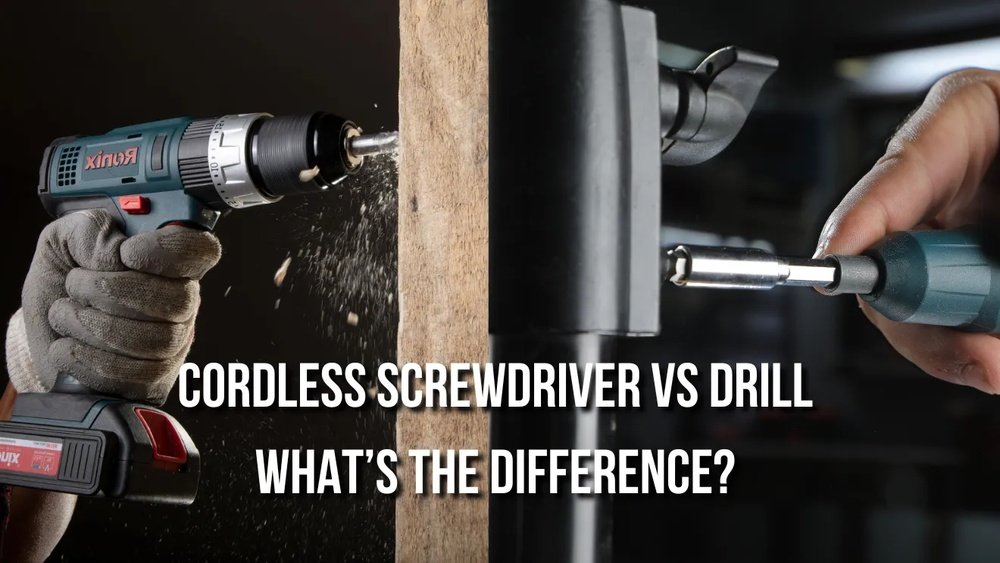
Are you confused about whether a cordless drill and a cordless screwdriver are the same tool? You’re not alone.
Many people think these two gadgets do the exact same job, but that’s not always true. Knowing the difference can save you time, money, and frustration on your next project. Keep reading to discover how these tools compare and which one might be the perfect fit for your needs.
You’ll never have to guess again!
Cordless Drill Basics
A cordless drill is a popular tool in many homes and workshops. It runs on batteries, which makes it easy to use anywhere. Understanding the basics helps to see how it differs from other tools like cordless screwdrivers.
This tool combines power and convenience. It can drill holes and drive screws with good speed and strength. Many people use it for many tasks around the house or on job sites.
Primary Functions
A cordless drill mainly drills holes in wood, metal, and plastic. It also drives screws into different materials. It has a rotating chuck to hold drill bits and screwdriver bits. The motor controls the speed and torque to match the task.
Common Features
Most cordless drills have adjustable speed settings. They include a clutch to control torque and prevent overdriving screws. The battery is rechargeable and usually removable. Some models have built-in lights for better visibility. The handle is designed for comfort and grip.
Typical Uses
People use cordless drills for building furniture and fixing things at home. They are good for hanging shelves, assembling cabinets, and installing fixtures. Professionals use them in construction and maintenance work. The tool works well in places without easy access to power outlets.
Cordless Screwdriver Essentials
A cordless screwdriver is a handy tool for small tasks around the house. It uses a rechargeable battery. This makes it easy to carry and use without a power cord. It is smaller and lighter than a cordless drill. This tool is designed for driving screws quickly and with less effort.
Understanding the basics of a cordless screwdriver helps you know when to use it. It fits perfectly for simple jobs that do not need heavy power.
Main Purposes
Cordless screwdrivers mainly drive screws into wood, plastic, or metal. They work best for assembling furniture or fixing small appliances. They do not replace drills but are perfect for lighter screw tasks. The main goal is to save time and effort on screw driving jobs.
Key Characteristics
Cordless screwdrivers are compact and easy to hold. They have lower power compared to drills. The battery usually lasts for small projects. They often have adjustable torque settings to avoid overdriving screws. Their speed is slower but steady for control. Most models include a built-in LED light for better visibility.
Everyday Applications
Use cordless screwdrivers for daily home repairs and DIY tasks. They help assemble flat-pack furniture quickly. They fix loose cabinet hinges or door handles easily. They are great for installing shelves or curtain rods. Their light weight makes them ideal for quick jobs without fatigue.
Power And Torque Comparison
Power and torque are key factors in deciding between a cordless drill and a cordless screwdriver. Both tools serve similar purposes but differ greatly in strength. Understanding their power output and torque helps choose the right tool for your tasks. Let’s explore how these two compare in detail.
Drill Power Output
Cordless drills offer higher power output. Their motors are built to handle tough jobs like drilling into wood, metal, or masonry. Power is measured in volts, usually ranging from 12V to 20V or more. Higher voltage means stronger drilling ability. This power allows drills to work faster and more efficiently.
Screwdriver Torque Levels
Cordless screwdrivers focus on torque rather than raw power. Torque is the twisting force that turns screws. These tools deliver lower torque levels, generally between 4 to 15 Nm (Newton meters). Lower torque reduces the risk of stripping screws or damaging materials. Screwdrivers provide enough torque for light to medium fastening tasks.
Impact On Performance
Higher power and torque in drills mean they handle heavy-duty work better. They can drill large holes and drive big screws. Screwdrivers, with lower torque, excel in precision and ease of use. They are lighter and better for quick, repetitive screwing. Choosing depends on whether power or control is more important for your project.
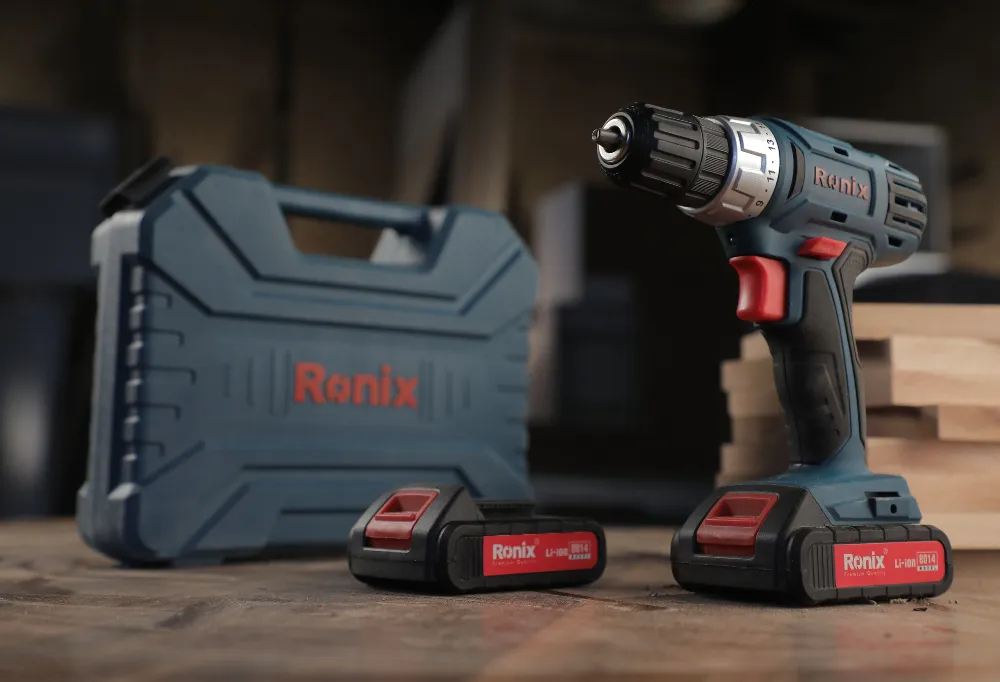
Credit: ronixtools.com
Size And Weight Differences
Size and weight are key differences between cordless drills and cordless screwdrivers. These tools may look alike, but their design serves different purposes. Understanding these differences helps you pick the right tool for the job.
Portability Factors
Cordless screwdrivers are smaller and lighter. They fit easily in a toolbox or pocket. This makes them easy to carry around for quick tasks. Cordless drills are bigger and heavier. They have more power but are less convenient to carry all day.
Screwdrivers are perfect for light jobs and tight spaces. Drills work well for tougher tasks that need more force. The size affects how long you can use them without feeling tired.
Ergonomics And Handling
Smaller size means cordless screwdrivers are easier to handle. They allow better control for delicate jobs. Their weight is low, reducing strain on your wrist and hand.
Cordless drills have a bulkier build. They often feature grips that balance the weight well. Still, their size can make them harder to use in tight spots. The design aims to support longer use during heavy-duty work.
Battery Life And Charging
Battery life and charging are key factors when choosing between a cordless drill and a cordless screwdriver. Both tools rely on batteries, but their power needs differ. Understanding battery types, charging times, and run time helps you pick the right tool for your tasks.
Battery Types Used
Cordless drills and screwdrivers mostly use lithium-ion batteries. These batteries are light and hold charge longer. Older models may use nickel-cadmium batteries. Lithium-ion batteries charge faster and last longer. The battery type affects tool weight and performance.
Charging Times
Charging times vary by battery size and charger quality. Most lithium-ion batteries fully charge in 30 to 60 minutes. Some older models take several hours. Fast chargers can reduce wait time. Short charging times mean less downtime during work.
Run Time Expectations
Run time depends on battery capacity and tool power. Cordless drills usually have bigger batteries for heavy tasks. They run longer but may be heavier. Screwdrivers use smaller batteries and run shorter but are lighter. Proper battery care extends run time and tool life.

Credit: www.reddit.com
Versatility And Attachments
Versatility and attachments play a big role in choosing between a cordless drill and a cordless screwdriver. Both tools can do many jobs, but their true power lies in the bits and accessories they use. These attachments help decide how flexible and useful each tool can be around the house or on a work site.
Understanding what types of attachments each tool supports shows their strengths and limits. This knowledge helps you pick the right tool for your needs. The next sections will explain the common attachments and how they affect the tool’s performance and task range.
Drill Bits And Accessories
Cordless drills use a wide variety of drill bits and accessories. These bits can bore holes in wood, metal, plastic, and other materials. Common types include twist bits, spade bits, and hole saws. Some drills also support sanding pads and wire brushes.
The ability to change drill bits quickly adds to the drill’s versatility. It can handle many tasks beyond just driving screws. This makes cordless drills handy for construction, repairs, and DIY projects.
Screwdriver Attachments
Cordless screwdrivers mainly use screwdriver bits. These include flathead, Phillips, Torx, and hex bits. The bits are smaller and lighter than drill bits. They fit tight spaces and make screw driving easy and fast.
Some cordless screwdrivers come with magnetic bit holders. These help keep screws in place while working. The tool is designed mainly for fastening screws, not drilling holes.
Adaptability For Tasks
Cordless drills adapt well to many tasks because of their strong motors and wide bit choices. They can drill holes and drive screws with power. They suit heavy-duty work and more complex projects.
Cordless screwdrivers work best for light screwdriving jobs. Their smaller size and lighter weight make them easier to handle for quick fixes. They are less suited for drilling or tough materials.
Choosing between the two depends on what kind of jobs you do most. Drills offer more flexibility and power. Screwdrivers offer simplicity and ease for basic screw tasks.
Price And Value Considerations
Understanding price and value helps make a smart choice between a cordless drill and a cordless screwdriver. Both tools serve different purposes but have different costs. Knowing these differences can save money and ensure the tool fits your needs.
Cost Differences
Cordless drills usually cost more than cordless screwdrivers. Drills have stronger motors and more features. They come with multiple speed settings and higher torque. Screwdrivers are simpler and lighter, so they cost less. The price gap can be noticeable, especially for basic models.
Battery type and brand affect the price too. Higher quality batteries last longer but increase the cost. Some brands bundle extra accessories, which adds value but raises the price. Choose based on what tasks you plan to do most.
Long-term Investment
Think about how long the tool will last. Cordless drills are built for tougher jobs and last longer. They handle drilling and screwing, so one tool covers many tasks. Screwdrivers work best for light jobs and may wear out faster.
Spending more upfront on a drill can save money later. Fewer replacements and repairs. Batteries also matter. A good battery supports longer use and better performance. Consider the tool’s warranty and customer support too.

Credit: www.tomahawk.tools
Choosing The Right Tool
Choosing the right tool can save time and effort. It also makes your work easier and safer. Knowing the difference between a cordless drill and a cordless screwdriver helps you decide. Each tool suits different tasks and needs.
Assessing Your Needs
Think about the jobs you will do most. Do you need to drill holes or just drive screws? Consider how often you use the tool. Also, check the size and weight you can handle. A heavy tool can tire you quickly. Battery life matters if you work long hours. Knowing these helps pick the best tool for you.
Matching Tool To Task
A cordless drill works well for many tasks. It can drill holes and drive screws. It has more power and speed. A cordless screwdriver is smaller and lighter. It is perfect for simple screw jobs. Use a drill for wood, metal, and harder materials. Use a screwdriver for furniture or light fixes. Choosing based on the job improves results and saves effort.
Frequently Asked Questions
What Is The Main Difference Between Cordless Drill And Screwdriver?
A cordless drill is designed for drilling holes and driving screws with more power. A cordless screwdriver is lighter and meant for simple screw-driving tasks only. Drills offer variable speed and torque, while screwdrivers are more compact and easier for quick fixes.
Can A Cordless Drill Replace A Cordless Screwdriver?
Yes, a cordless drill can replace a screwdriver for most tasks. It provides more versatility and power. However, for small, repetitive screwdriving, a cordless screwdriver is more convenient and lighter to handle.
Are Cordless Screwdrivers Less Powerful Than Cordless Drills?
Yes, cordless screwdrivers have lower torque and power compared to cordless drills. They are built for light-duty tasks and smaller screws. Drills handle tougher jobs requiring more force and speed control.
Which Tool Is Better For Home Diy Projects?
A cordless drill is better for most home DIY projects due to its versatility. It can drill holes and drive screws efficiently. A cordless screwdriver suits only light screwdriving tasks or tight spaces.
Conclusion
Cordless drills and cordless screwdrivers serve different purposes. Drills handle tougher jobs like drilling holes. Screwdrivers are great for driving screws quickly and easily. Choosing the right tool saves time and effort. Think about your project needs before buying. Both tools offer convenience without cords.
Now you can decide which one fits your tasks best. Simple tools, better results.
