


Are you planning to drill into concrete but unsure if a hammer drill is the right tool for the job? Choosing the right drill can save you time, effort, and frustration.
You might have heard that hammer drills are powerful, but is that enough to handle tough concrete surfaces? You’ll discover how a hammer drill works, why it might be your best option, and what to consider before you start your project.
Keep reading to find out if a hammer drill is truly good for concrete and how it can make your work easier and more efficient.
Hammer Drill Basics
A hammer drill is a power tool designed to drill into hard materials. It works by combining rotary motion with a hammering action. This action helps break up tough surfaces like concrete. Many DIYers and professionals use hammer drills for their strength and efficiency.
Understanding how hammer drills work and the different types can help choose the right one. This knowledge ensures better results and safer use.
How Hammer Drills Work
A hammer drill uses a motor to spin the drill bit fast. At the same time, it moves the bit in and out quickly. This pounding action chips away at hard surfaces. The drill bit breaks the concrete while rotating to make a hole. This dual motion is what makes hammer drills effective on concrete.
Types Of Hammer Drills
Two main types exist: standard hammer drills and rotary hammer drills. Standard hammer drills are lighter and good for small jobs. Rotary hammer drills are heavier and more powerful. They use a piston mechanism to deliver stronger impacts. This makes them better for large concrete holes and tough jobs.

Credit: www.midlandtool.com
Concrete Drilling Challenges
Drilling into concrete is not an easy task. The material is tough and dense. It requires the right tools and techniques to make clean holes. Understanding the challenges helps to choose the best drill for the job.
Hardness And Density Of Concrete
Concrete is a mix of cement, sand, gravel, and water. It hardens into a very strong material. Its density makes it hard to break through. The surface can wear down normal drill bits quickly. High pressure and special drill bits are needed to penetrate.
Common Issues When Drilling Concrete
Drilling concrete can cause bits to overheat and dull fast. The drill may slip or wander on the surface. Dust and debris can block the drill hole. Cracks may appear if the drill speed is too high. Proper cooling and steady pressure are essential to avoid these problems.
Hammer Drill For Concrete
A hammer drill is a useful tool for working with concrete. It combines regular drilling with a hammering action. This helps the drill bit break through hard surfaces like concrete more easily. Many people choose hammer drills for small to medium concrete projects.
The hammering movement makes holes faster and with less effort. This tool is often lighter and easier to handle than a rotary hammer. It works well for tasks like hanging shelves or installing anchors in concrete walls.
Advantages Of Using Hammer Drills
Hammer drills are versatile. They can switch between normal drilling and hammer mode. This means you can use one tool for different jobs.
These drills are usually lighter and more affordable than heavy-duty tools. This makes them ideal for home use or occasional projects. They also allow better control, reducing the chance of mistakes.
Many models come with adjustable speed settings. This helps users drill clean holes without damaging the concrete. The hammer action helps the drill bit go deeper faster.
Limitations To Consider
Hammer drills are not the best choice for very thick or reinforced concrete. They may struggle or wear out quickly. For large or tough projects, a rotary hammer drill is better.
The hammer function can produce more noise and vibration. This may cause fatigue during long use. Also, the drill bits used must be strong enough to handle the hammer action.
Some hammer drills have less power than other tools. This limits their use to lighter concrete tasks. Users must check the drill’s specifications before starting heavy work.
Alternatives To Hammer Drills
Hammer drills work well on concrete but are not the only tool for the job. Some other tools can also handle concrete drilling tasks. These alternatives might offer more power or different features that suit your needs better. Choosing the right tool depends on the job size and your comfort level with the equipment.
Rotary Hammers
Rotary hammers are strong and built for heavy concrete drilling. They use a piston mechanism to deliver powerful blows. This makes drilling faster and easier than a standard hammer drill. Rotary hammers also handle larger holes better. They are ideal for serious construction work or big projects. The tool is heavier but more effective on tough concrete.
Impact Drivers
Impact drivers are smaller and lighter than hammer drills. They deliver quick bursts of torque but do not have a hammering action. This makes them good for driving screws and bolts. Impact drivers can drill small holes in concrete with the right bit. They are not as powerful as rotary hammers but work well for light concrete tasks. Ideal for DIY projects or small repairs.
Choosing The Right Drill
Choosing the right drill is key for working with concrete. The right tool makes drilling easier and faster. It also helps avoid damage to the drill or the concrete. Knowing what features to look for will guide you to the best drill for your needs.
Power And Speed Settings
Concrete needs strong power to drill through its hard surface. Look for drills with high wattage or voltage. Multiple speed settings help control drilling depth and precision. Lower speeds reduce heat buildup, protecting the drill bit and concrete. Adjustable speed gives more control for different projects.
Drill Bit Types For Concrete
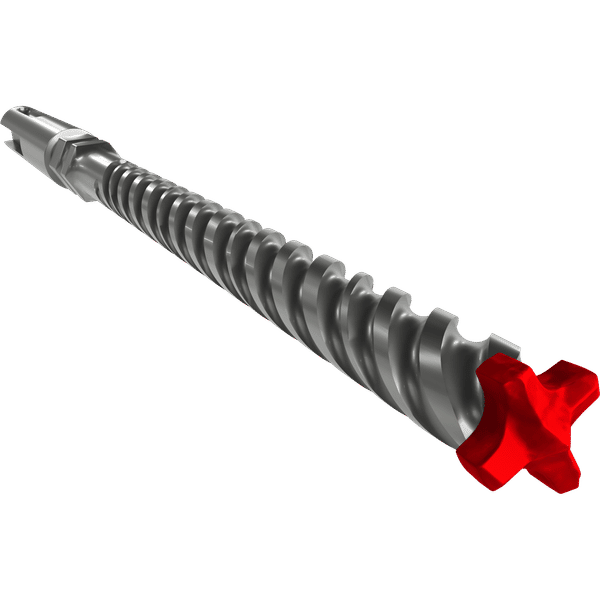
Using the correct drill bit is crucial. Carbide-tipped or masonry bits work best on concrete. These bits stay sharp and resist wear. Choose the right size for your project for clean holes. Using the wrong bit can cause damage and slow progress.
Corded Vs Cordless Options
Corded drills provide steady power without battery limits. They are ideal for long or heavy-duty jobs. Cordless drills offer more mobility and ease of use. Battery life can limit cordless drill time but newer models last longer. Choose based on your work style and job needs.
Credit: www.diablotools.com
Safety Tips And Maintenance
Working with a hammer drill on concrete requires attention to safety and proper care. These tools are powerful and can cause injury without the right precautions. Maintaining your drill also helps it last longer and work better. Follow these tips to stay safe and keep your hammer drill in good shape.
Protective Gear Recommendations
Always wear safety glasses to protect your eyes from flying debris. Use ear protection to guard against loud noise. Gloves help protect your hands from vibration and sharp edges. Wear a dust mask to avoid breathing in concrete dust. Wear sturdy shoes to protect your feet from falling objects. Dress in long sleeves and pants to shield your skin.
Drill Care And Longevity
Keep your hammer drill clean by wiping it after each use. Check the drill bits regularly for wear and replace them if needed. Store the drill in a dry place to avoid rust and damage. Lubricate moving parts according to the manufacturer’s instructions. Inspect the power cord for cuts or frays before every use. Do not force the drill; let it do the work at its own speed.
Credit: www.milwaukeetool.com
Frequently Asked Questions
Is A Hammer Drill Suitable For Concrete Drilling?
Yes, a hammer drill is ideal for concrete. It combines rotary drilling with hammering action to break hard surfaces efficiently.
Can A Hammer Drill Replace A Rotary Hammer For Concrete?
Hammer drills work well for small jobs but struggle with large concrete tasks. Rotary hammers offer more power for heavy-duty drilling.
What Drill Bits Work Best With A Hammer Drill On Concrete?
Use carbide-tipped masonry bits with a hammer drill. They are designed to withstand hammering and penetrate concrete effectively.
How Does A Hammer Drill Differ From A Regular Drill?
A hammer drill adds a rapid hammering motion to the drill rotation. This makes it better for drilling into tough materials like concrete.
Conclusion
A hammer drill works well for drilling into concrete. It uses strong, fast hammering to break the hard surface. This tool saves time and effort on tough jobs. You get cleaner, deeper holes than with a regular drill. It suits both small repairs and big construction tasks.
Choose one with the right power and size for your needs. Using a hammer drill can make concrete work easier and faster. A good investment for anyone working with concrete often. Simple, effective, and reliable—just what you need.
