


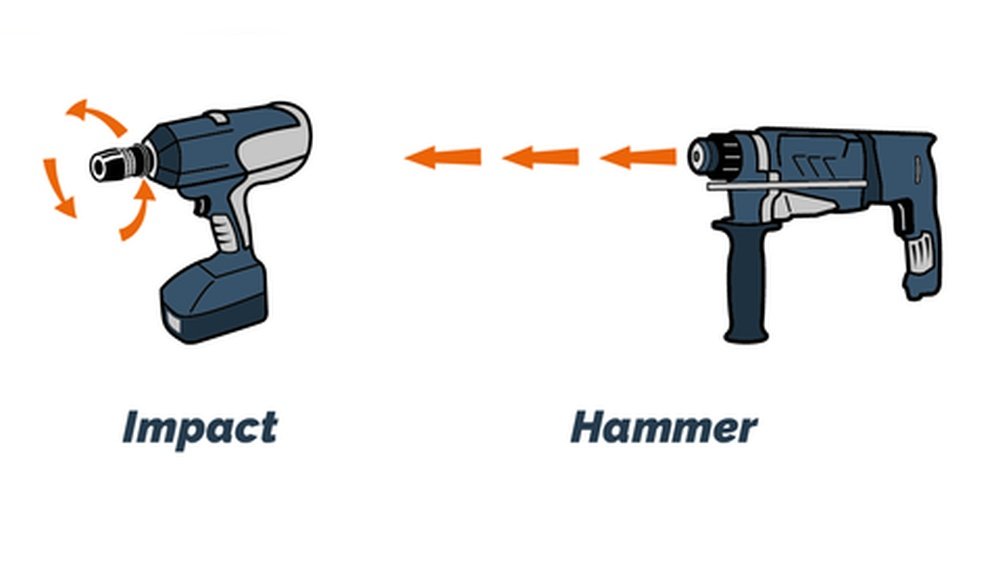
Are you confused about whether a hammer drill and an impact wrench are the same tool? You’re not alone.
Many people use these names interchangeably, but they serve very different purposes. Understanding the difference can save you time, money, and frustration on your next project. Keep reading, and by the end, you’ll know exactly which tool you need for your job—and why it matters.
Hammer Drill Basics
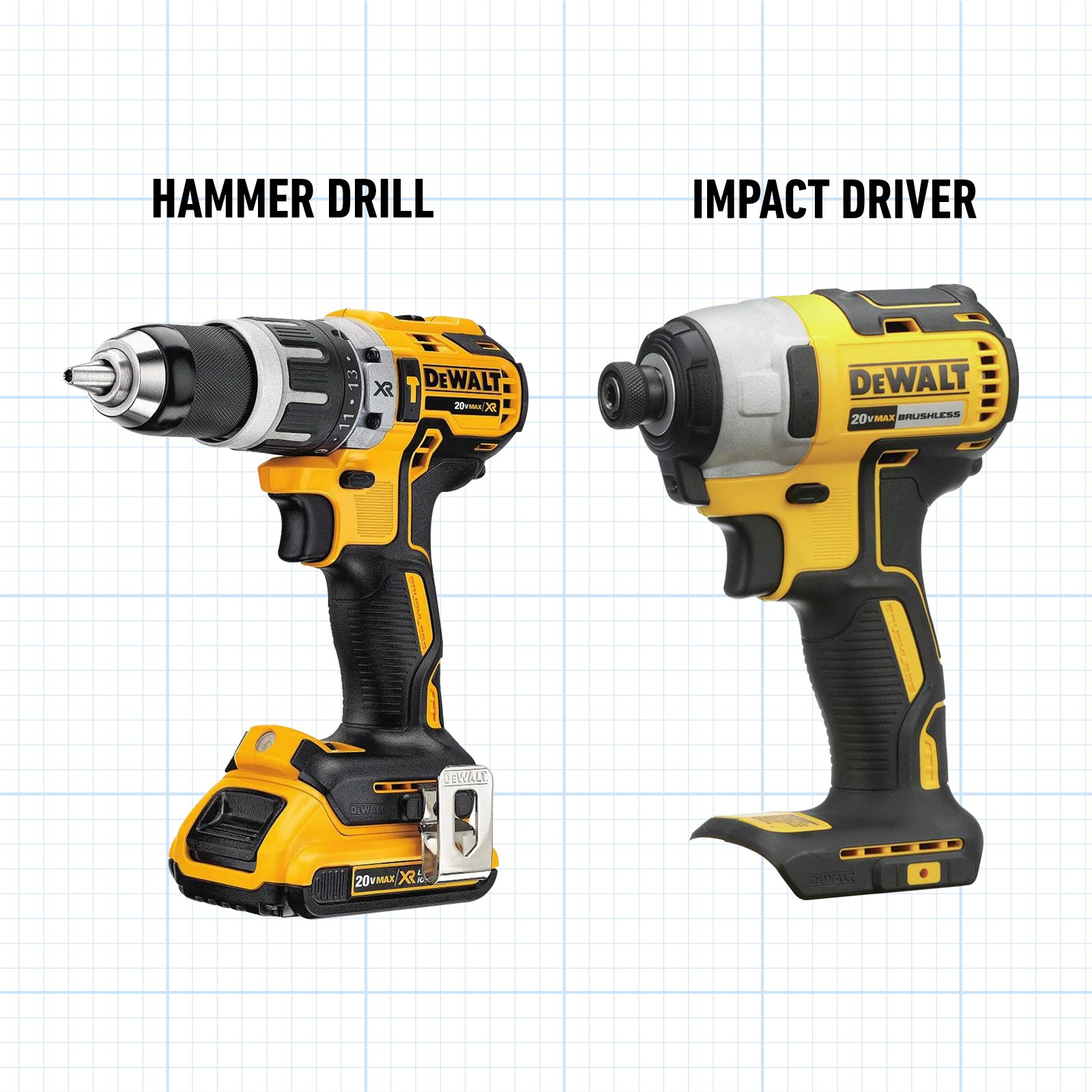
A hammer drill is a power tool designed for drilling into hard materials. It combines rotary motion with a hammering action. This makes it easier to drill into concrete, brick, and stone. Understanding the basics helps you know if it fits your project.
Design And Function
A hammer drill looks like a regular drill but has extra parts inside. It has a mechanism that moves the drill bit back and forth rapidly. This hammering helps break up tough materials while the bit spins. You can switch off the hammer action to use it like a normal drill.
Common Uses
Hammer drills work well for drilling holes in masonry and concrete. They are common in construction and home improvement jobs. People also use them to install anchors or hang heavy objects on walls. The tool saves time and effort on hard surfaces.
Types Of Hammer Drills
There are two main types of hammer drills: corded and cordless. Corded ones offer continuous power and are good for long jobs. Cordless hammer drills give more mobility but need battery charging. Some models include adjustable speed and multiple modes for different tasks.
Credit: www.familyhandyman.com
Impact Wrench Essentials
An impact wrench is a powerful tool used to tighten or loosen nuts and bolts quickly. It uses strong force to make tough jobs easier. Understanding how it works and where to use it helps you choose the right tool for your project.
This section explains the basic facts about impact wrenches. Learn about its working, common uses, and different types available.
How It Works
An impact wrench uses a motor to create sudden, strong twisting force. It stores energy in a spring or hammer mechanism. Then it releases this energy in quick bursts. This action delivers high torque without much effort from the user. It spins fast but hits harder than a normal drill or wrench.
Typical Applications
Impact wrenches are common in car repair shops. They remove or tighten wheel nuts easily. Construction workers use them for assembling metal frames. They also help in heavy machinery maintenance. Anywhere strong bolts need quick loosening or tightening, impact wrenches fit well.
Varieties Of Impact Wrenches
There are electric, cordless, and pneumatic impact wrenches. Electric ones plug into power outlets. Cordless types use batteries for mobility. Pneumatic wrenches need air compressors to run. Sizes vary from small hand tools to big industrial models. Each type suits different tasks and user needs.
Power And Torque Comparison
Power and torque are the key differences between a hammer drill and an impact wrench. Both tools deliver force but in different ways. Understanding their power and torque helps you choose the right tool for your job.
Force Generation
A hammer drill uses rapid hammering motion. It combines rotation with quick, short bursts of force. This action breaks hard materials like concrete.
An impact wrench delivers strong rotational force. It uses sudden, high-torque impacts to turn fasteners. The tool applies bursts of torque to loosen or tighten bolts.
Speed Differences
Hammer drills usually operate at higher speeds. Their rotations per minute (RPM) vary from 1,000 to 3,000. This speed helps in drilling and chiseling.
Impact wrenches run at lower RPM but generate more torque. Their speed ranges from 1,500 to 2,000 RPM. This slow speed with high torque helps move tough fasteners.
Suitable Materials
Hammer drills work well with masonry, brick, and concrete. Their hammering action breaks these tough surfaces efficiently.
Impact wrenches suit metal and automotive work. They excel in tightening or loosening nuts, bolts, and screws on vehicles or machines.
Mechanism Differences
Understanding the mechanism differences between a hammer drill and an impact wrench is important. Both tools deliver power differently to handle specific tasks. The way they produce force affects their use on various materials and fasteners.
Hammering Action
A hammer drill uses a hammering action to drill into hard surfaces like concrete. It moves the drill bit forward and backward rapidly. This pounding helps break up tough material while the bit spins. The hammering is linear, pushing directly into the surface.
Rotational Impact
An impact wrench delivers rotational impact. It uses quick bursts of torque to turn bolts and nuts. The tool spins the socket fast and applies sudden, strong twists. This helps loosen or tighten fasteners without stripping them. The impacts happen in a circular motion.
Internal Components
Inside a hammer drill, there is a clutch system that creates the hammering motion. It connects the motor to the drill bit. In contrast, an impact wrench has a hammer and anvil mechanism. This system stores energy and releases it in quick rotational hits. Each tool’s parts are built for its unique action.
Tool Versatility
Tool versatility plays a big role when choosing between a hammer drill and an impact wrench. Each tool has unique strengths that suit different tasks. Understanding these differences helps pick the right tool for your job. The hammer drill and impact wrench serve distinct purposes but can sometimes overlap in use.
Drilling Capabilities
The hammer drill shines in drilling holes into hard materials. It uses a rapid hammering action combined with rotation. This makes it easier to break through concrete, brick, or stone. The impact wrench does not drill holes. It focuses on turning fasteners. So, the hammer drill is the clear choice for drilling work.
Fastening Strength
The impact wrench provides strong torque to tighten or loosen bolts and nuts. It delivers quick bursts of power. This helps break loose stubborn fasteners. Hammer drills offer less torque and are not suited for heavy fastening. Impact wrenches excel in automotive or construction work requiring strong fastening.
Adaptability With Attachments
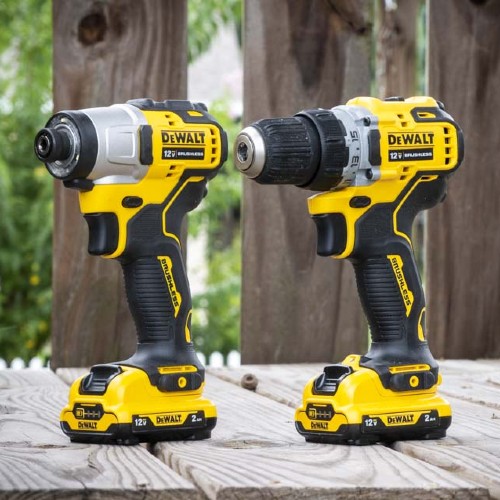
Hammer drills accept a wide range of drill bits and accessories. This adds to their versatility for drilling and light driving tasks. Impact wrenches use specific sockets designed for bolts and nuts. They have fewer attachment options. The hammer drill offers more adaptability for various home projects.
Credit: www.nu-tech.us
Choosing The Right Tool
Choosing the right tool between a hammer drill and an impact wrench depends on several factors. Each tool serves a different purpose. Knowing what you need helps you pick the best one. This saves time and effort during your project.
Project Requirements
Understand the task before selecting a tool. Hammer drills are best for drilling into hard surfaces like concrete. Impact wrenches work well for tightening or loosening bolts and nuts. Choose the tool that fits the job’s demands. This ensures better results and less damage to materials.
User Skill Level
Consider your experience with power tools. Hammer drills are generally easier to control for beginners. Impact wrenches can be powerful and may need more practice. Start with simpler tools if you are new. Gain confidence before moving to more advanced options.
Budget Considerations
Set a budget before buying any tool. Hammer drills usually cost less than impact wrenches. Think about how often you will use the tool. Spending more might be worth it for frequent use. Otherwise, a basic model can meet occasional needs.
Safety Tips
Safety is very important when using power tools like hammer drills and impact wrenches. These tools can cause injuries if not handled properly. Following safety tips keeps you and others safe while working.
Always respect the power and function of these tools. Taking safety seriously reduces accidents and improves your work experience.
Proper Handling
Hold the tool firmly with both hands. This helps control it during use. Keep your fingers away from moving parts. Never use the tool if you feel tired or distracted. Always turn off and unplug the tool before changing bits or accessories. Use the right tool for the job to avoid damage and injury.
Protective Gear
Wear safety glasses to protect your eyes from dust and debris. Use ear protection to guard against loud noise. Gloves help protect your hands but should not be too loose. Wear a dust mask if working in dusty environments. Use sturdy shoes to protect your feet from falling objects. Dress in tight-fitting clothes to avoid getting caught in the tool.
Maintenance Practices
Regularly inspect your tool for damage or wear. Clean the tool after each use to remove dust and debris. Lubricate moving parts as recommended by the manufacturer. Replace worn or broken parts immediately. Store the tool in a dry, safe place away from children. Follow the user manual for all maintenance instructions.
:max_bytes(150000):strip_icc()/SPR-hammer-drill-vs-impact-driver-8609798-hero-47f71aec37d043cfbea62a25a71a8bb2.jpg)
Credit: www.thespruce.com
Frequently Asked Questions
What Is The Main Difference Between Hammer Drill And Impact Wrench?
A hammer drill uses a rapid hammering action to drill into hard materials. An impact wrench delivers high torque to tighten or loosen bolts. They serve different purposes despite similar appearances.
Can A Hammer Drill Replace An Impact Wrench?
No, a hammer drill cannot replace an impact wrench. Hammer drills are designed for drilling, while impact wrenches focus on fastening tasks with torque.
Which Tool Is Better For Driving Screws And Bolts?
Impact wrenches are better for driving screws and bolts due to their high torque. Hammer drills are better suited for drilling into masonry and concrete.
Are Hammer Drills And Impact Wrenches Powered The Same Way?
Both tools can be corded or cordless. However, their internal mechanisms differ significantly to suit their distinct functions.
Conclusion
A hammer drill and an impact wrench serve different jobs. A hammer drill is best for drilling into hard materials like concrete. An impact wrench is designed to tighten or loosen bolts and nuts quickly. Choosing the right tool depends on the task you face.
Knowing their uses saves time and effort. Both tools are helpful but not interchangeable. Use each tool for what it does best. This will make your work easier and faster.
