


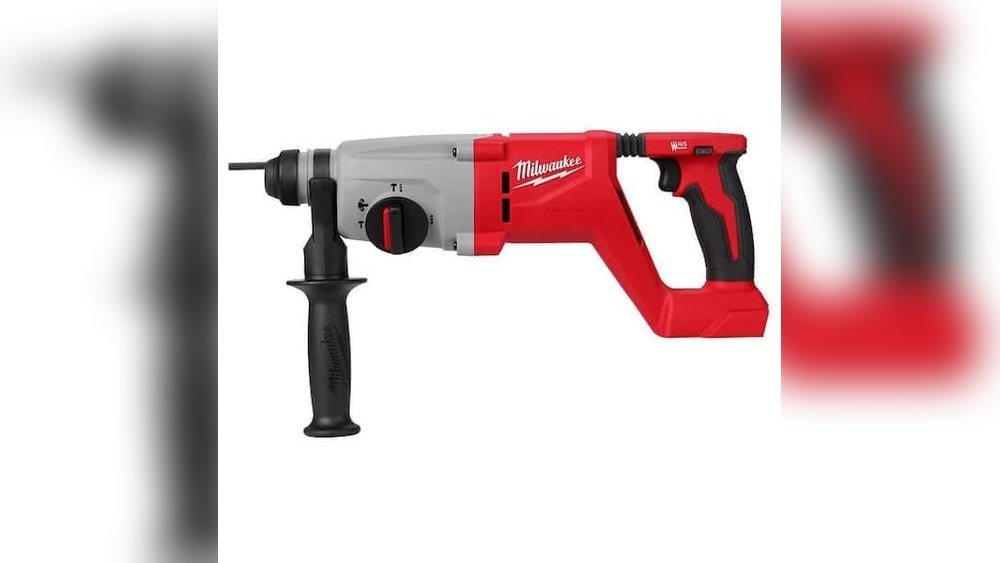
Are you wondering if a hammer drill is really worth adding to your toolbox? Whether you’re a DIY enthusiast or a professional, choosing the right tool can save you time, effort, and frustration.
A hammer drill promises to make tough jobs easier, but is it truly the game-changer you need? Keep reading to discover how this tool can impact your projects, and find out if investing in one will give you the edge you’re looking for.
Your next project might just depend on it.
Hammer Drill Basics
A hammer drill is a tool used for drilling into hard surfaces. It makes holes in materials like concrete and brick. The tool combines regular drilling with a hammering action. This helps break the material faster and easier.
Hammer drills are useful for home projects and professional work. Understanding how they work helps decide if one is needed. This section explains the key features of hammer drills.
How Hammer Drills Work
A hammer drill uses two actions at the same time. It spins the drill bit like a normal drill. At the same time, it moves the bit forward and backward quickly. This “hammering” motion breaks up hard materials.
The hammering action makes drilling faster in tough surfaces. It reduces the effort needed from the user. The tool switches between normal drilling and hammer mode. This helps in drilling wood or metal without damage.
Types Of Hammer Drills
There are two main types of hammer drills: standard and rotary. Standard hammer drills use a clutch to create hammering. They work well for light to medium tasks.
Rotary hammer drills use a piston mechanism. They deliver stronger hammering power. These are best for heavy-duty jobs and thick concrete walls. They also have more settings for different materials.
Choosing the right type depends on the tasks planned. Light projects may only need a standard hammer drill. Larger jobs require a rotary hammer drill for best results.
Key Features To Consider
Choosing the right hammer drill can be tough. Focus on key features to find the best fit. These features affect performance and ease of use. Consider power, durability, and comfort for a smart buy.
Power And Speed
Power matters for drilling through tough materials. Look for a hammer drill with enough wattage or voltage. Speed controls help adjust the drill for different tasks. Variable speed settings give more control and precision. Strong power and adjustable speed make the drill versatile.
Durability And Build
Durability means the drill lasts longer and withstands rough use. Choose models with sturdy materials like metal gears and strong plastic. A well-built hammer drill resists wear and tear. Check for good brand reputation and warranty coverage. A durable drill saves money over time.
Comfort And Handling
Comfort affects how long you can use the drill without fatigue. Look for ergonomic handles with soft grips. Lightweight drills reduce strain on your hands and arms. Balanced design helps with steady control. Easy handling improves accuracy and safety during work.
Benefits Of Using A Hammer Drill
Using a hammer drill brings many benefits for both beginners and experienced users. It makes drilling into hard materials much easier. This tool combines regular drilling with a hammering action. This action helps break tough surfaces quickly. Many tasks become simpler and faster with a hammer drill.
Efficiency On Tough Materials
A hammer drill works great on concrete, brick, and stone. It breaks the surface while drilling, which regular drills cannot do. This makes holes faster and cleaner. Less force is needed from the user. It reduces the chance of drill bits slipping or getting stuck.
Versatility For Various Tasks
This tool can switch between hammering and normal drilling modes. It works on wood, metal, and plastic too. You can drill holes or screw in fasteners. One tool for many jobs saves space and money. It suits home repairs, construction, and DIY projects.
Time And Effort Savings
The hammering action speeds up drilling on hard surfaces. It saves time on tough jobs. Less physical effort is needed to push the drill. You feel less tired after work. This helps complete projects faster and with less stress.

Credit: www.reddit.com
Common Drawbacks
Hammer drills are powerful tools used for tough jobs like drilling into concrete and brick. They offer great strength but also come with some common drawbacks. Knowing these can help decide if a hammer drill fits your needs.
Weight And Bulkiness
Hammer drills are heavier than regular drills. This weight can cause tired arms during long use. Their bulkiness makes them harder to handle in tight spaces. Carrying them around for hours can be tiring. This might slow down your work or cause discomfort.
Noise And Vibration
These drills are loud when operating. The noise level may disturb others nearby. Vibrations from the drill can feel strong in your hands. Long exposure to vibration can cause hand fatigue. Wearing protective gear is often necessary to reduce discomfort.
Cost Considerations
Hammer drills usually cost more than standard drills. The price can be a barrier for casual users. Extra features and power add to the expense. Maintenance and replacement parts might also increase costs. Consider your budget before investing in one.
Comparing Hammer Drills To Alternatives
Choosing the right tool affects project ease and results. Hammer drills have unique features. Comparing them with other drills helps decide if they are worth buying. This section explores how hammer drills differ from standard drills and rotary hammers. Understanding these differences guides your tool choice.
Standard Drill Vs Hammer Drill
Standard drills work well for wood, metal, and plastic. They rotate a drill bit to make holes. Hammer drills add a hammering action. This action helps drill into tough materials like concrete and brick. The hammering motion breaks the material while the bit spins. This makes drilling faster and easier in hard surfaces.
Standard drills are lighter and simpler. Hammer drills are heavier but more powerful for masonry jobs. Use a standard drill for everyday tasks. Choose a hammer drill for jobs involving brick or concrete.
Rotary Hammer Vs Hammer Drill
Rotary hammers are stronger and more specialized. They use a piston mechanism to deliver powerful hammer blows. This makes drilling into very hard materials quicker and less tiring. Rotary hammers also offer a chisel function for breaking concrete or tiles.
Hammer drills use a simpler hammering action. They suit light to medium masonry work. Rotary hammers handle heavy-duty tasks and long projects better. They cost more and weigh more. Pick a rotary hammer for frequent or big jobs. A hammer drill fits occasional masonry drilling and smaller tasks.

Credit: www.youtube.com
When To Choose A Hammer Drill
Choosing the right drill can save time and effort. A hammer drill is a special tool designed for tougher tasks. It combines regular drilling with a hammering action. This feature helps break through hard materials. Knowing when to use a hammer drill makes a big difference in your work quality and speed.
Not every job needs this tool. Picking a hammer drill depends on the task and how often you drill. Understanding these points helps you decide if a hammer drill is worth it for you.
Suitable Projects And Materials
Hammer drills work best on hard surfaces like concrete, brick, and stone. They drill holes quickly in these materials without much strain. For wood, metal, or plastic, a regular drill is enough. Using a hammer drill on soft materials can cause damage. Choose a hammer drill for projects like installing shelves on brick walls or mounting heavy fixtures on concrete.
Frequency Of Use
Consider how often you need to drill into hard materials. If you drill hard surfaces often, a hammer drill is a smart choice. It lasts longer and makes the job easier. For occasional use, renting or borrowing a hammer drill may be better. Frequent use justifies buying your own for convenience and cost savings.
Tips For Smart Buying
Choosing the right hammer drill takes more than just picking the first one you see. Smart buying helps save money and ensures you get a tool that fits your needs. Consider key factors before making a decision.
Setting A Budget
Decide how much you want to spend before shopping. Hammer drills vary in price from basic to professional models. A clear budget helps narrow your choices and prevents overspending. Remember, a higher price doesn’t always mean better quality.
Brand And Warranty
Choose brands known for reliable tools. Well-known brands often offer better parts and support. Check the warranty period to protect your investment. A good warranty shows the company trusts its product.
Reading Reviews And Testing
Read user reviews to learn about real experiences. Focus on comments about durability and ease of use. If possible, test the drill yourself at a store. Feeling the weight and grip helps pick a comfortable tool.

Credit: www.youtube.com
Maintenance And Safety
Maintaining a hammer drill and using it safely ensures long life and good results. Proper care keeps the drill working well. Safe use protects you from injury. Both are key to getting the most from your tool.
Proper Care Practices
Clean the drill after every use. Remove dust and debris from vents and moving parts. Check the power cord for cuts or frays. Tighten loose screws and parts regularly. Store the drill in a dry, cool place. Use the right drill bits for the job to avoid damage. Lubricate moving parts as the manual suggests. Replace worn parts quickly to keep the drill working well.
Safe Operating Tips
Wear safety goggles and gloves before starting work. Keep your hands and fingers away from the drill bit. Use ear protection if the drill is noisy. Hold the drill with both hands for better control. Do not force the drill; let the bit do the work. Unplug the drill when changing bits or cleaning. Keep your workspace clear of clutter and children. Follow the manufacturer’s safety instructions at all times.
Frequently Asked Questions
What Is A Hammer Drill Used For?
A hammer drill is ideal for drilling into hard materials like concrete and masonry. It combines rotary drilling with a hammering action. This makes it more effective than a regular drill for tough surfaces. It’s perfect for heavy-duty construction and renovation projects.
How Does A Hammer Drill Differ From A Regular Drill?
Unlike regular drills, hammer drills add a rapid hammering motion. This helps break up hard materials while drilling. Regular drills only rotate the bit without impact. Hammer drills are better for masonry, concrete, and stone, offering increased efficiency and less user effort.
Is A Hammer Drill Worth Buying For Home Use?
A hammer drill is worth it if you often work with concrete or brick. For occasional light drilling, a regular drill suffices. Hammer drills offer versatility and power but come at a higher cost. Consider your project needs before investing in one.
Can A Hammer Drill Be Used As A Regular Drill?
Yes, most hammer drills have a switch to turn off the hammering action. This allows them to function like standard drills. This versatility makes hammer drills suitable for both heavy and light-duty tasks, increasing their overall value and usability.
Conclusion
A hammer drill can save time and effort on tough jobs. It works well on hard materials like concrete and brick. For occasional light drilling, a regular drill might be enough. But for frequent heavy work, this tool adds real value.
It offers power and speed that simple drills lack. Think about your needs and how often you drill hard surfaces. This choice depends on your projects and budget. A hammer drill is worth it if you want strong, reliable performance.
Simple and effective—just what many users need.
