


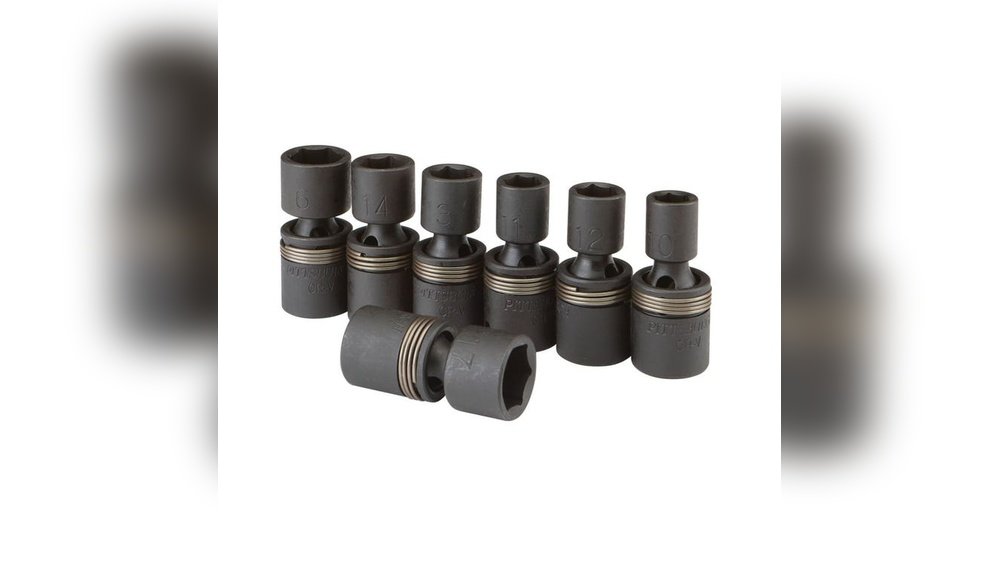
Have you ever wondered if it’s safe or even smart to use a swivel on your impact driver? You might have seen swivel attachments and thought, “Could this make my work easier or faster?” But is it really okay to add that extra joint to your powerful tool?
Using the wrong setup can lead to frustrating results or even damage your equipment. You’ll discover exactly when and how a swivel can work with your impact driver — and when it’s better to avoid it. Keep reading to make sure you’re getting the job done right without risking your tool or your safety.
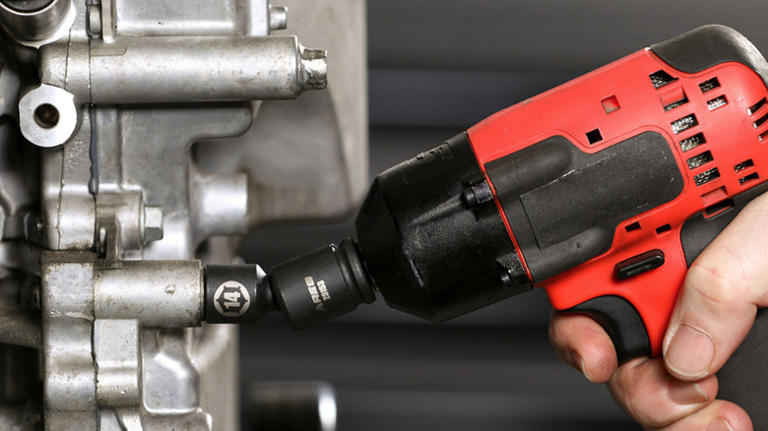
Credit: www.msn.com
Benefits Of Using A Swivel
Using a swivel on an impact driver offers several key benefits. It helps make your work easier and more efficient. Swivels add flexibility and comfort while working with different angles. This section explains the main advantages of using a swivel.
Improved Access In Tight Spaces
Swivels let you reach screws and bolts in hard spots. They allow the bit to turn at different angles. This means you can work in corners and narrow areas easily. No more struggling to fit the tool where it is needed.
Enhanced Tool Maneuverability
A swivel improves how you handle the impact driver. It gives you better control over the tool’s movement. You can adjust the angle without changing your hand position. This makes driving screws faster and more precise.
Reduced User Fatigue
Using a swivel reduces strain on your wrist and arm. It lets you work without twisting your hand awkwardly. This lowers tiredness during long projects. You can keep working comfortably for longer periods.

Credit: www.walmart.com
Potential Drawbacks Of Swivels
Using a swivel on an impact driver can bring some challenges. It may seem helpful for reaching tight spaces. Yet, swivels have drawbacks that affect tool performance and safety. Understanding these limits helps you use the tool better and avoid damage.
Impact On Torque And Power
Swivels reduce the direct transfer of power from the driver. The joint allows some movement, which lowers torque. This means the impact driver may not deliver full force. Tasks needing strong torque might take longer or fail.
Increased Wear And Tear
Swivels add extra moving parts to the tool setup. These parts wear out faster than solid bits. The constant twisting motion stresses both the swivel and driver. Over time, this causes parts to break or loosen.
Risk Of Tool Or Bit Damage
Using a swivel can increase the chance of damage. Bits may slip inside the swivel under heavy force. This can strip screw heads or break bits. The impact driver itself may also suffer internal damage from misaligned force.
Types Of Swivels Compatible With Impact Drivers
Swivels help increase the flexibility of impact drivers. They allow you to reach tight spaces and awkward angles. Not all swivels work well with impact drivers. Using the right type keeps your tool safe and efficient.
Universal Swivels
Universal swivels fit many impact driver models. They have a flexible joint that moves in many directions. This helps reach screws at odd angles. These swivels are lightweight and easy to use. They work well for general tasks around the house.
Quick-change Swivel Adapters
Quick-change swivel adapters allow fast bit swaps. They fit directly into the impact driver’s chuck. These swivels save time by avoiding tool changes. They often have strong locking mechanisms for safety. Ideal for professionals who work on many projects.
Heavy-duty Swivels
Heavy-duty swivels handle tough jobs and strong torque. Made from hardened steel or other strong metals. They resist bending and breaking under pressure. Best for construction or heavy repair work. These swivels ensure long-lasting performance with impact drivers.
Expert Recommendations For Safe Use
Using a swivel on an impact driver can make many tasks easier. But safety matters most. Experts give clear advice to avoid damage and accidents. Follow these tips to use your swivel safely and effectively.
Choosing The Right Swivel
Select a swivel made for impact drivers. It must handle high torque without breaking. Check the swivel’s material—steel or alloy works best. Avoid cheap or generic models. They wear out fast and can cause injury.
Proper Attachment Techniques
Attach the swivel securely to the driver. Make sure it fits tight and does not wobble. Use the correct size for your tool. Double-check the connection before starting work. Loose attachments increase the risk of slipping or damage.
Maintenance Tips
Keep the swivel clean and free of debris. Lubricate moving parts to prevent rust and stiffness. Inspect regularly for cracks or wear. Replace the swivel immediately if damaged. Proper care extends its life and keeps you safe.
Common Applications For Swivel Use
Swivels on impact drivers help reach tight spots and awkward angles. They increase flexibility and make tasks easier. Many projects benefit from this tool accessory.
Automotive Repairs
Swivels help access hard-to-reach bolts in cars. They make removing and tightening parts simpler. This is useful for brakes, engine work, and suspension fixes.
Furniture Assembly
Swivels allow drivers to fit screws in tight corners. They help assemble flat-pack furniture quickly. You can work around edges and inside small spaces with ease.
Electrical Work
Electricians use swivels to reach screws in panels and boxes. They improve control and prevent damage to wires. This tool helps in both new installations and repairs.
Alternatives To Using A Swivel
Using a swivel on an impact driver is common, but there are other good options. These alternatives can make your work easier and safer. They help reach tight spaces and improve control without risking tool damage. Explore these simple tools to boost your impact driver’s performance.
Flexible Extension Bits
Flexible extension bits bend to fit into hard-to-reach spots. They connect easily to your impact driver. These bits allow you to work around corners and obstacles. Their flexibility reduces the need to force the tool at odd angles. This lowers the chance of stripping screws or damaging the driver. Flexible bits come in various lengths for different jobs.
Right-angle Attachments
Right-angle attachments change the driving direction by 90 degrees. They help you reach tight corners and narrow spaces. These attachments are sturdy and built for impact drivers. They keep the tool straight while the bit turns sideways. This makes driving screws easier in confined areas. Right-angle attachments are quick to attach and remove, saving time.
Credit: www.ebay.com
Frequently Asked Questions
Can I Use A Swivel On An Impact Driver Safely?
Yes, you can safely use a swivel on an impact driver. Make sure the swivel is rated for impact use to prevent damage or wear. Using the correct swivel improves flexibility and access in tight spaces without compromising tool performance.
Does A Swivel Reduce Impact Driver Torque?
A swivel may slightly reduce torque transfer due to extra joints. However, high-quality impact-rated swivels minimize this effect. Proper use ensures the driver maintains enough torque for most fastening tasks while improving maneuverability.
What Types Of Swivels Are Best For Impact Drivers?
Impact-rated swivels made from hardened steel are best. These swivels withstand high torque and impacts without failure. Avoid cheap or non-impact swivels as they can break or damage your tool and fasteners.
Will Using A Swivel Affect Tool Durability?
Using an impact-rated swivel correctly should not affect your tool’s durability. Non-impact swivels or improper use can cause premature wear. Always inspect swivels for damage before use to protect your impact driver.
Conclusion
Using a swivel on an impact driver can help reach tight spaces easily. It adds flexibility but may reduce torque slightly. Choose a good quality swivel to avoid damage. Always check if the swivel fits your driver well. This small tool can save time on tricky jobs.
Keep safety in mind when working with power tools. Swivels work best for light to medium tasks. Use them wisely for better results and less effort.
