


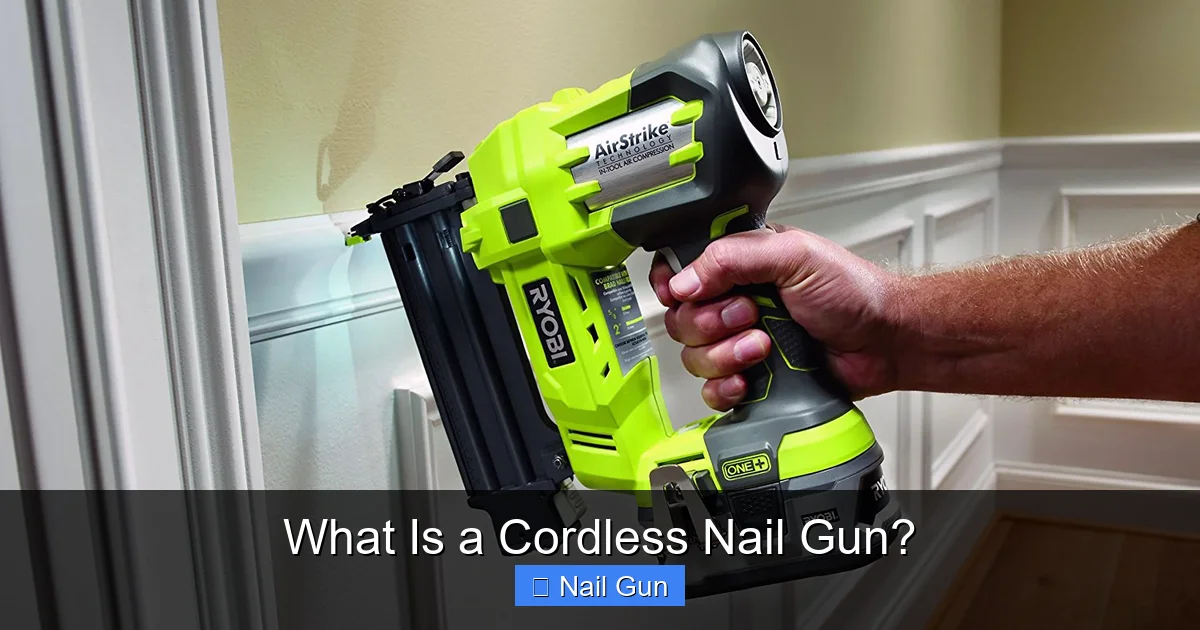
A cordless nail gun is a portable, battery-powered tool that drives nails into wood or other materials without cords or compressors. It offers convenience, mobility, and professional-grade power for tasks like framing, trim work, and decking. This guide covers everything from how it works to choosing the right model.
Key Takeaways
- Portability: Cordless nail guns run on rechargeable batteries, eliminating the need for air hoses or power cords, making them ideal for remote job sites.
- Versatility: Available in various types—framing, finish, brad, and roofing—they handle everything from heavy construction to delicate trim work.
- Ease of Use: Most models feature tool-free depth adjustment, jam-clearing mechanisms, and LED lights for precision and user comfort.
- Safety First: Always wear safety glasses and ear protection, and never point the tool at yourself or others—even when it’s not in use.
- Maintenance Matters: Regular cleaning, proper battery care, and using the right nails prevent jams and extend tool life.
- Cost vs. Value: While more expensive upfront than pneumatic models, cordless nail guns save time and increase efficiency over time.
- Battery Compatibility: Many brands offer interchangeable batteries across tools, so investing in one system can power multiple devices.
What Is a Cordless Nail Gun?
A cordless nail gun is a handheld power tool that uses battery power to drive nails into wood, drywall, or other building materials. Unlike traditional pneumatic nail guns that rely on an air compressor and hose, cordless models operate independently, offering freedom of movement and ease of use. Whether you’re building a deck, installing trim, or framing a wall, a cordless nail gun can save you time and effort.
These tools are powered by lithium-ion batteries and use either combustion, electric motors, or flywheel technology to generate the force needed to sink nails. They’re designed for both DIY enthusiasts and professional contractors who need reliable performance without being tethered to a power source.
How Does a Cordless Nail Gun Work?
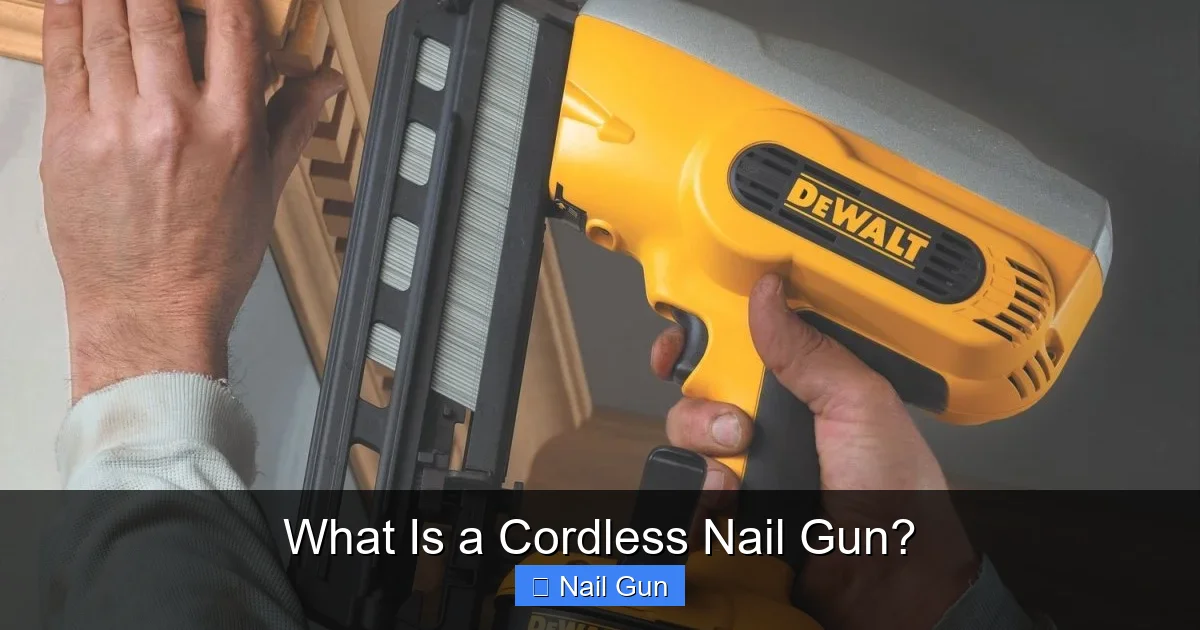
Visual guide about What Is a Cordless Nail Gun?
Image source: images.saymedia-content.com
Cordless nail guns may look simple, but they use advanced engineering to deliver consistent power. Here’s a breakdown of how they function:
Battery-Powered Motor
Most modern cordless nail guns use a brushless electric motor powered by a rechargeable lithium-ion battery. When you pull the trigger, the motor activates a piston or driver blade that strikes the nail with enough force to drive it into the material. Brushless motors are more efficient, run cooler, and last longer than older brushed versions.
Flywheel Technology (in Some Models)
Some high-end models, like those from Paslode or Hitachi, use flywheel systems. These store energy in a spinning wheel and release it in a burst when the trigger is pulled. This method mimics the power of a pneumatic gun without the compressor.
Combustion-Powered Models
A few cordless nail guns use small fuel cells (similar to lighter fluid) combined with a battery to create a tiny explosion that drives the nail. These are powerful but less common due to the need for fuel cartridges and stricter regulations.
Safety and Trigger Mechanisms
Cordless nail guns typically have dual safety features: a contact tip that must be pressed against the work surface and a trigger that must be pulled. This prevents accidental firing and enhances user safety.
Types of Cordless Nail Guns
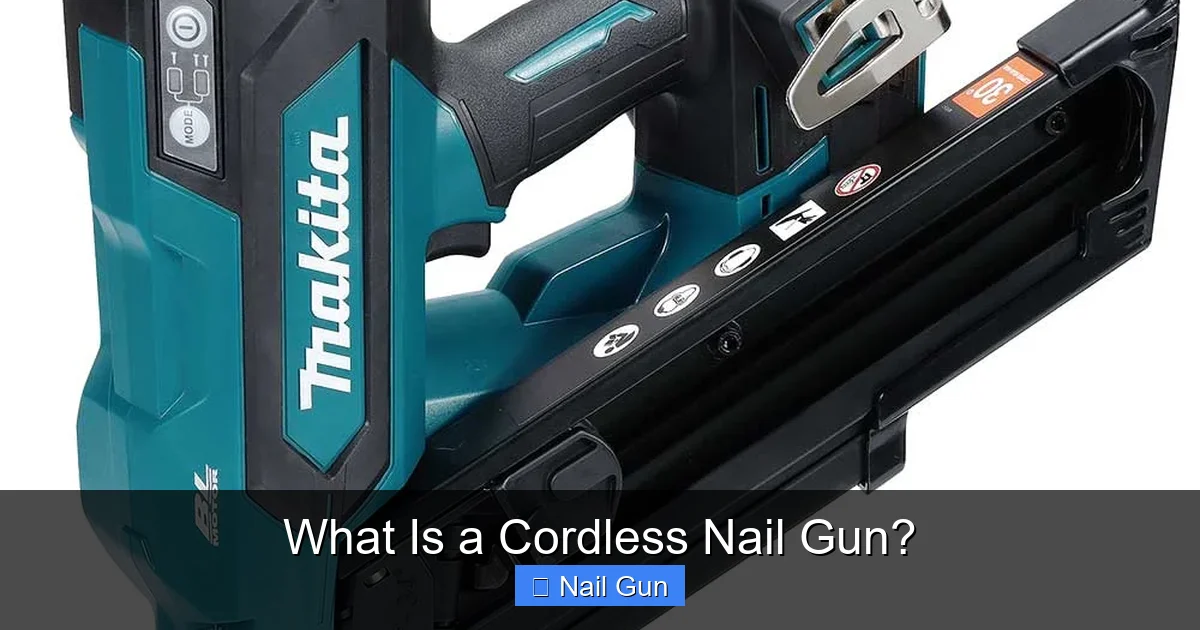
Visual guide about What Is a Cordless Nail Gun?
Image source: tooled-up.com
Not all cordless nail guns are the same. Choosing the right type depends on your project. Here are the most common kinds:
Cordless Framing Nailers
These are heavy-duty tools designed for rough construction like building walls, decks, or roofs. They drive large nails (2 to 3.5 inches) and are ideal for structural work. Look for models with adjustable depth settings and high nail capacity.
Cordless Finish Nailers
Perfect for trim, molding, and cabinetry, finish nailers use smaller nails (15 to 16 gauge) and leave minimal holes. They’re lightweight and precise, making them great for detailed work.
Cordless Brad Nailers
Even smaller than finish nailers, brad nailers use 18-gauge nails and are ideal for delicate trim or attaching thin materials without splitting the wood. They’re quiet and leave nearly invisible holes.
Cordless Roofing Nailers
Designed for installing shingles, these tools drive coil-style nails quickly and efficiently. They often have rubber grips and are built to withstand outdoor conditions.
Cordless Pin Nailers
These use ultra-thin pins (23-gauge) for attaching veneers, moldings, or small decorative pieces. They’re almost silent and leave tiny holes that don’t require filling.
Benefits of Using a Cordless Nail Gun
Switching to a cordless nail gun offers several advantages over traditional tools:
Mobility and Convenience
No cords or hoses mean you can work anywhere—on ladders, in attics, or on remote job sites. This is a game-changer for contractors and DIYers alike.
Faster Workflow
Without the hassle of setting up a compressor or untangling hoses, you can start nailing immediately. Many models also feature rapid-fire modes for high-speed work.
Quieter Operation
Cordless nail guns are significantly quieter than pneumatic models, reducing noise pollution on job sites and making them better for indoor use.
Consistent Performance
Modern batteries provide steady power throughout the charge, ensuring consistent nail depth and driving force—no more weak shots due to low air pressure.
Reduced Fatigue
Lightweight designs and ergonomic grips reduce hand and arm strain, especially during long projects.
How to Choose the Right Cordless Nail Gun
With so many options available, picking the best cordless nail gun can be overwhelming. Here’s what to consider:
Project Type
Match the nailer to your work. Framing? Go for a framing nailer. Installing baseboards? A finish or brad nailer is better.
Nail Size and Gauge
Check the nail capacity and compatibility. Make sure the tool accepts the nail sizes you’ll be using most often.
Battery Life and Voltage
Higher voltage (18V or 20V) means more power and longer runtime. Look for models with fast-charging batteries or spare battery options.
Weight and Ergonomics
If you’ll be using the tool for hours, choose a lightweight model with a comfortable grip and balanced design.
Brand and Ecosystem
Consider brands like DeWalt, Milwaukee, Makita, or Ryobi, which offer interchangeable batteries across multiple tools. This saves money and simplifies charging.
Additional Features
Look for tool-free depth adjustment, jam-clearing mechanisms, LED work lights, and dry-fire lockouts to enhance usability.
Step-by-Step: How to Use a Cordless Nail Gun
Using a cordless nail gun is simple, but proper technique ensures safety and efficiency.
Step 1: Charge the Battery
Before starting, make sure your battery is fully charged. Most tools come with a charger and indicator light to show charge status.
Step 2: Load the Nails
Open the magazine and insert the correct nails. Slide them in with the heads facing up and the points toward the driver. Close the magazine securely.
Step 3: Adjust Depth (If Needed)
Use the depth adjustment wheel to control how deep the nails are driven. For softwood, set it deeper; for hardwood, go shallower.
Step 4: Position the Tool
Place the contact tip firmly against the work surface. Keep your hands and body away from the firing area.
Step 5: Fire the Nail
Press the contact tip down and pull the trigger. The nail will be driven in a single motion. Release the trigger and move to the next spot.
Step 6: Clear Jams (If They Occur)
If a nail gets stuck, disconnect the battery, open the magazine, and remove the jammed nail using the tool’s jam-clearing feature or a small tool.
Safety Tips for Cordless Nail Gun Use
Safety should always come first when using power tools.
- Always wear safety glasses and hearing protection.
- Never point the tool at yourself, others, or animals—even when it’s off.
- Keep your fingers away from the trigger when not in use.
- Disconnect the battery when loading nails or clearing jams.
- Store the tool in a dry, secure place out of reach of children.
- Read the user manual before first use.
Maintenance and Care
Proper maintenance keeps your cordless nail gun running smoothly.
Clean After Each Use
Wipe down the tool with a dry cloth. Use compressed air to blow out dust from the magazine and driver area.
Lubricate Moving Parts
Some models require light lubrication. Check the manual—never use oil on battery-powered tools unless specified.
Store Batteries Properly
Remove batteries when not in use for long periods. Store them in a cool, dry place and recharge every few months.
Inspect Regularly
Check for loose screws, worn parts, or damage. Replace any faulty components immediately.
Troubleshooting Common Issues
Even the best tools can have problems. Here’s how to fix common issues:
Nails Not Firing
Check the battery charge and ensure the contact tip is fully depressed. Also, verify that nails are loaded correctly.
Jams
Jams often occur due to bent nails or overloading. Clear the jam, inspect the nails, and reload carefully.
Inconsistent Depth
Adjust the depth setting. If the problem persists, the driver blade may be worn or the battery low.
Battery Drains Quickly
Old or damaged batteries lose capacity. Replace if necessary. Avoid extreme temperatures when charging.
Conclusion
A cordless nail gun is a powerful, convenient, and versatile tool that can transform the way you work. Whether you’re a weekend warrior or a full-time contractor, it offers the freedom to tackle projects anywhere with professional results. By understanding how it works, choosing the right model, and following safety and maintenance best practices, you’ll get the most out of your investment. With the right cordless nail gun in your toolbox, you’ll save time, reduce fatigue, and achieve cleaner, faster finishes on every job.
