


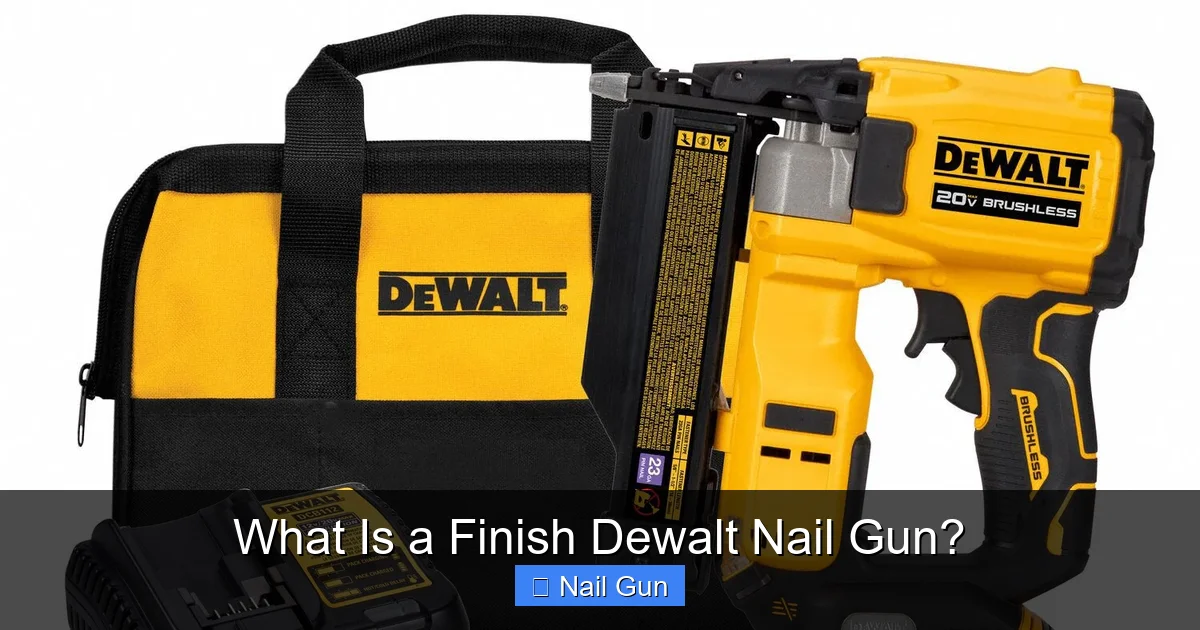
A finish DeWalt nail gun is a precision power tool designed for driving small finish nails into wood without splitting or leaving visible marks. Perfect for trim, baseboards, and cabinetry, these tools combine power, accuracy, and durability for professional-quality results.
Key Takeaways
- What it is: A finish DeWalt nail gun is a pneumatic or cordless tool that drives 15- to 16-gauge finish nails for trim, molding, and detailed woodwork.
- How it works: It uses compressed air (pneumatic) or a battery (cordless) to drive nails flush or countersunk with minimal surface damage.
- Best uses: Ideal for installing baseboards, crown molding, door casings, and furniture assembly where appearance matters.
- Safety first: Always wear safety glasses, keep fingers away from the nosepiece, and disconnect power before clearing jams.
- Maintenance matters: Regular cleaning, oiling (for pneumatic models), and proper storage extend the tool’s lifespan.
- DeWalt quality: Known for reliability, ergonomic design, and consistent performance, DeWalt finish nailers are trusted by pros and DIYers alike.
- Choosing the right model: Consider nail size, power source, weight, and magazine capacity based on your project needs.
What Is a Finish DeWalt Nail Gun?
If you’ve ever tackled a home improvement project involving trim, baseboards, or crown molding, you’ve probably encountered the need for a tool that can drive small nails cleanly and precisely—without splitting the wood or leaving unsightly marks. That’s where a finish DeWalt nail gun comes in.
A finish nail gun, specifically from DeWalt, is a specialized power tool designed to drive thin, 15- or 16-gauge finish nails into wood surfaces. Unlike framing nailers that handle large, thick nails for structural work, finish nailers are built for detail work where appearance and precision are key. DeWalt, a leading name in professional power tools, offers a range of finish nailers—both pneumatic (air-powered) and cordless (battery-powered)—that deliver consistent, reliable performance.
In this guide, you’ll learn exactly what a finish DeWalt nail gun is, how it works, the types available, how to use it safely and effectively, and tips for maintenance and troubleshooting. Whether you’re a seasoned contractor or a weekend DIYer, understanding this tool will help you achieve clean, professional results on every project.
How a Finish DeWalt Nail Gun Works
Visual guide about What Is a Finish Dewalt Nail Gun?
Image source: i.ytimg.com
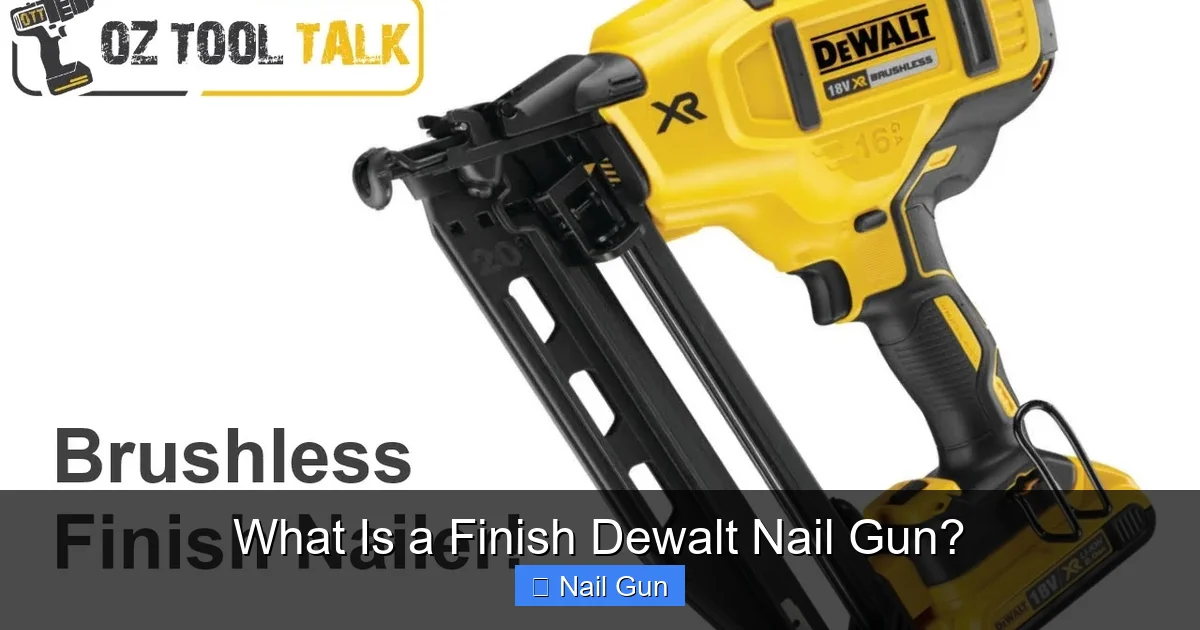
At its core, a finish DeWalt nail gun operates by using force to drive a small, slender nail into wood. The mechanism varies slightly depending on whether the model is pneumatic or cordless, but the basic principle remains the same.
Pneumatic Finish Nailers
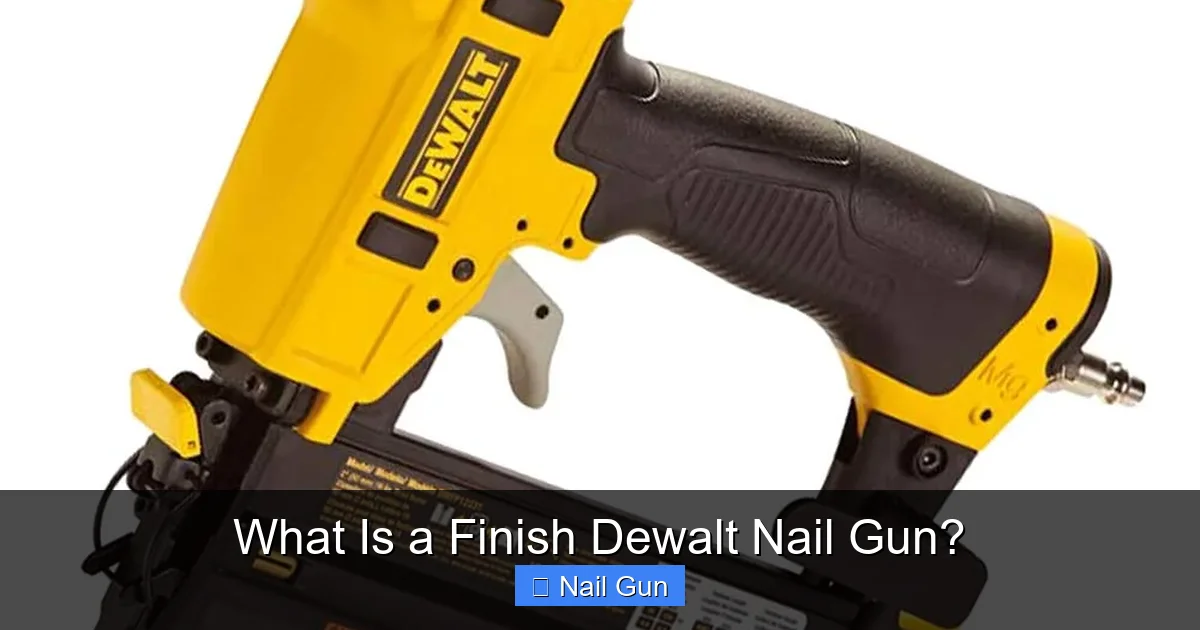
Pneumatic models are powered by compressed air from an air compressor. When you pull the trigger, the compressor sends a burst of air that drives a piston, which in turn forces the nail out of the magazine and into the wood. These models are known for their power and consistent driving force, making them a favorite among professionals who need speed and reliability on job sites.
Cordless Finish Nailers
Cordless DeWalt finish nailers use a combination of battery power and gas cartridges (in some models) or advanced motor technology to drive nails. DeWalt’s 20V MAX* cordless finish nailers, for example, use brushless motors and lithium-ion batteries to deliver full-size power without the need for an air hose or compressor. This makes them highly portable and ideal for tight spaces or remote job sites.
Both types are designed to drive nails flush or slightly below the surface, minimizing the need for putty or wood filler. Many models also feature adjustable depth settings, allowing you to control how deeply the nail is driven based on the material and finish you’re working with.
Types of Finish DeWalt Nail Guns
Visual guide about What Is a Finish Dewalt Nail Gun?
Image source: tooled-up.com
DeWalt offers several models of finish nailers, each tailored to different needs and preferences. Here are the most common types:
15-Gauge Finish Nailers
These are the most popular for finish work. The 15-gauge nails are slightly thicker than 16-gauge, offering greater holding power—ideal for heavy trim, baseboards, and crown molding. DeWalt’s 15-gauge models, like the DeWalt DCN650D1, are cordless and come with a 20V battery, making them versatile and easy to use.
16-Gauge Finish Nailers
Slightly thinner than 15-gauge, 16-gauge nails are perfect for lighter trim and delicate woodwork where you want minimal visibility. The DeWalt D51238K is a pneumatic 16-gauge model known for its lightweight design and precision.
Angled vs. Straight Magazine
Some DeWalt finish nailers have an angled magazine, which allows better access into tight corners and confined spaces—great for crown molding or stair installations. Straight magazine models are simpler in design and often lighter, making them easier to handle for long periods.
Pneumatic vs. Cordless
Pneumatic models are typically more affordable and offer unlimited runtime with a compressor, but require hoses and a power source. Cordless models offer freedom of movement and faster setup, though battery life and cost can be limiting factors.
How to Use a Finish DeWalt Nail Gun
Using a finish DeWalt nail gun is straightforward once you understand the basics. Follow these step-by-step instructions for safe and effective operation.
Step 1: Prepare Your Tools and Materials
Gather your nail gun, appropriate nails (15- or 16-gauge, depending on your model), safety gear (glasses and hearing protection), and the wood pieces you’re installing. If using a pneumatic model, ensure your air compressor is charged and the hose is connected securely.
Step 2: Load the Nails
Open the magazine by pulling the release latch. Insert a strip of finish nails with the heads facing up and the points aligned with the feed mechanism. Slide the magazine closed until it clicks into place. Never load nails while the tool is connected to air or power.
Step 3: Adjust the Depth Setting
Most DeWalt finish nailers have a depth adjustment wheel near the nose. Turn it to control how deeply the nail is driven. For softwoods, you may want a deeper setting; for hardwoods or delicate trim, a shallower setting prevents splitting.
Step 4: Test on Scrap Wood
Before nailing your actual workpiece, test the gun on a piece of scrap wood. This helps you confirm the depth and ensure the nail is driven correctly without damaging the material.
Step 5: Position and Fire
Hold the nail gun firmly with both hands. Place the nosepiece flat against the wood at a 90-degree angle. Press down slightly to engage the safety tip, then pull the trigger. The nail will be driven in a single, smooth motion.
Step 6: Work Efficiently
Move along your trim or molding, spacing nails every 16 to 24 inches for baseboards, or closer for heavier pieces. Avoid over-nailing, which can weaken the wood or cause warping.
Safety Tips When Using a Finish DeWalt Nail Gun
Safety should always be your top priority when using power tools. Here are essential tips to keep in mind:
- Wear safety glasses: Nails can ricochet or debris can fly during use.
- Use hearing protection: Nail guns are loud, especially pneumatic models.
- Keep hands clear: Never place your fingers near the nosepiece or trigger area.
- Disconnect power: Always unplug the air hose or remove the battery before clearing jams or performing maintenance.
- Point the gun away: Never point the nailer at yourself or others, even when not in use.
- Work in a well-ventilated area: Especially important for cordless models that use gas cartridges.
Maintenance and Care
Proper maintenance ensures your DeWalt finish nail gun lasts for years and performs reliably.
Clean After Each Use
Wipe down the exterior with a clean, dry cloth. Use compressed air to blow out dust and debris from the magazine, nosepiece, and exhaust ports.
Lubricate Pneumatic Models
Add a few drops of pneumatic tool oil to the air inlet before each use. This keeps internal parts moving smoothly and prevents rust.
Check for Wear
Inspect the driver blade, O-rings, and magazine for signs of damage or wear. Replace parts as needed using genuine DeWalt components.
Store Properly
Keep the nail gun in a dry, cool place. Use the included case or a protective bag to prevent dust buildup and accidental damage.
Troubleshooting Common Issues
Even the best tools can run into problems. Here’s how to fix common issues with your finish DeWalt nail gun:
Nails Not Firing
Check if the magazine is loaded correctly and the nails are the right size. Ensure the air pressure (for pneumatic models) is set between 70–120 PSI. For cordless models, verify the battery is charged.
Jams
Jams happen when a nail gets stuck in the mechanism. Disconnect power, open the magazine, and carefully remove the jammed nail using needle-nose pliers. Never force it—this can damage the tool.
Double Firing or Misfires
This can occur if the trigger is pulled too quickly or the safety tip isn’t fully depressed. Slow down your firing rhythm and ensure the nosepiece is pressed firmly against the wood before pulling the trigger.
Nails Not Driving Fully
Adjust the depth setting or increase air pressure. Check for low battery (cordless) or weak compressor output (pneumatic).
Why Choose a DeWalt Finish Nail Gun?
DeWalt is a trusted brand in the construction and woodworking industries for good reason. Their finish nail guns are built with durability, precision, and user comfort in mind. Features like brushless motors, anti-dry fire mechanisms, and ergonomic grips make them a top choice for professionals and serious DIYers.
Whether you’re installing baseboards in a new home or building custom furniture, a finish DeWalt nail gun delivers consistent, clean results with minimal effort. Investing in one means investing in quality, reliability, and professional-grade performance.
Conclusion
A finish DeWalt nail gun is an essential tool for anyone working on trim, molding, or detailed wood projects. It combines power, precision, and ease of use to deliver professional results with less effort. Whether you choose a pneumatic or cordless model, understanding how to use, maintain, and troubleshoot your nail gun will help you get the most out of your investment.
By following the steps in this guide—from loading nails to adjusting depth settings and practicing safety—you’ll be able to tackle finish carpentry projects with confidence. With proper care, your DeWalt finish nailer will remain a reliable partner for years to come.
