


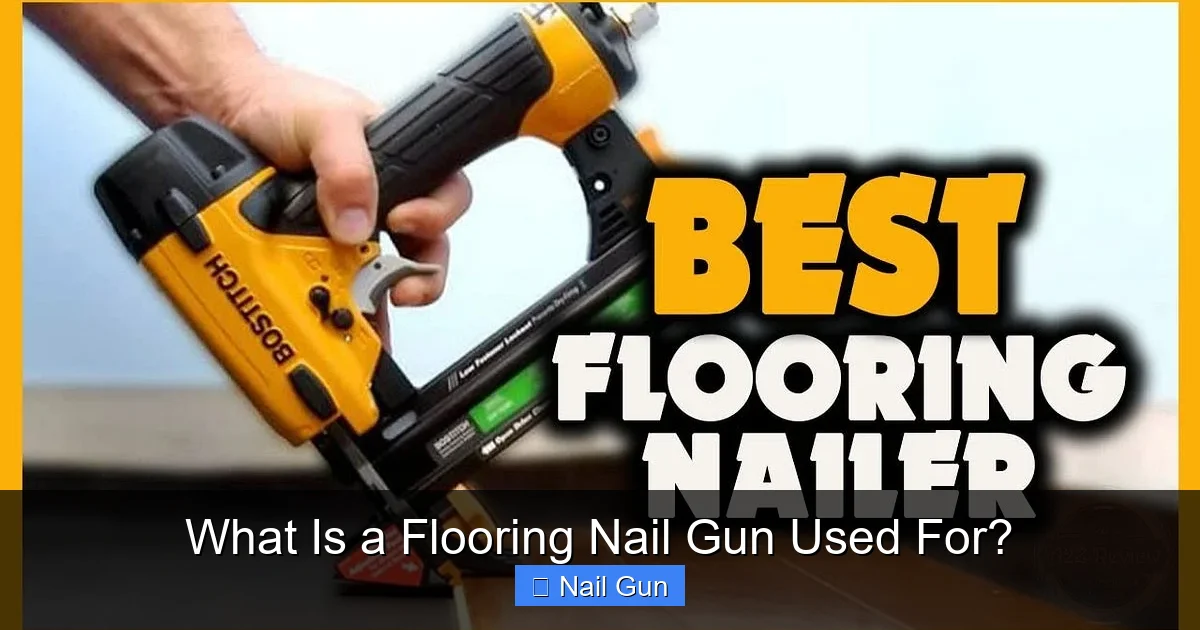
A flooring nail gun is a specialized tool designed to securely fasten hardwood and engineered flooring to subfloors quickly and efficiently. It eliminates the need for manual nailing, reduces labor time, and ensures consistent, professional results with minimal damage to floorboards.
Key Takeaways
- Efficient Installation: A flooring nail gun speeds up the process of installing hardwood or engineered flooring by driving nails at precise angles without damaging the surface.
- Specialized Design: Unlike standard nail guns, flooring nail guns use cleats or staples and are engineered to work with tongue-and-groove floorboards.
- Reduced Labor and Fatigue: Automating the nailing process reduces physical strain and allows one person to complete large flooring jobs efficiently.
- Secure and Hidden Fastening: The tool drives nails through the tongue at an angle, creating a hidden hold that keeps boards tightly locked together.
- Compatibility Matters: Choose a nail gun compatible with your flooring type—solid hardwood, engineered wood, or bamboo—and the correct cleat size.
- Maintenance is Key: Regular cleaning and lubrication ensure smooth operation and extend the tool’s lifespan.
- Safety First: Always wear protective gear and follow manufacturer guidelines to prevent injury during use.
What Is a Flooring Nail Gun Used For?
If you’ve ever watched a professional installer lay down a beautiful hardwood floor in just a few hours, chances are they were using a flooring nail gun. This powerful, specialized tool is a game-changer for anyone tackling a flooring project—whether you’re a DIY enthusiast or a seasoned contractor. But what exactly is a flooring nail gun used for, and why is it so important?
In this guide, you’ll learn everything you need to know about flooring nail guns: how they work, what types of flooring they’re best for, step-by-step usage instructions, safety tips, and how to maintain your tool for long-term performance. By the end, you’ll understand why this tool is essential for fast, secure, and professional-looking floor installations.
Understanding the Flooring Nail Gun
Visual guide about What Is a Flooring Nail Gun Used For?
Image source: tooltoaction.com
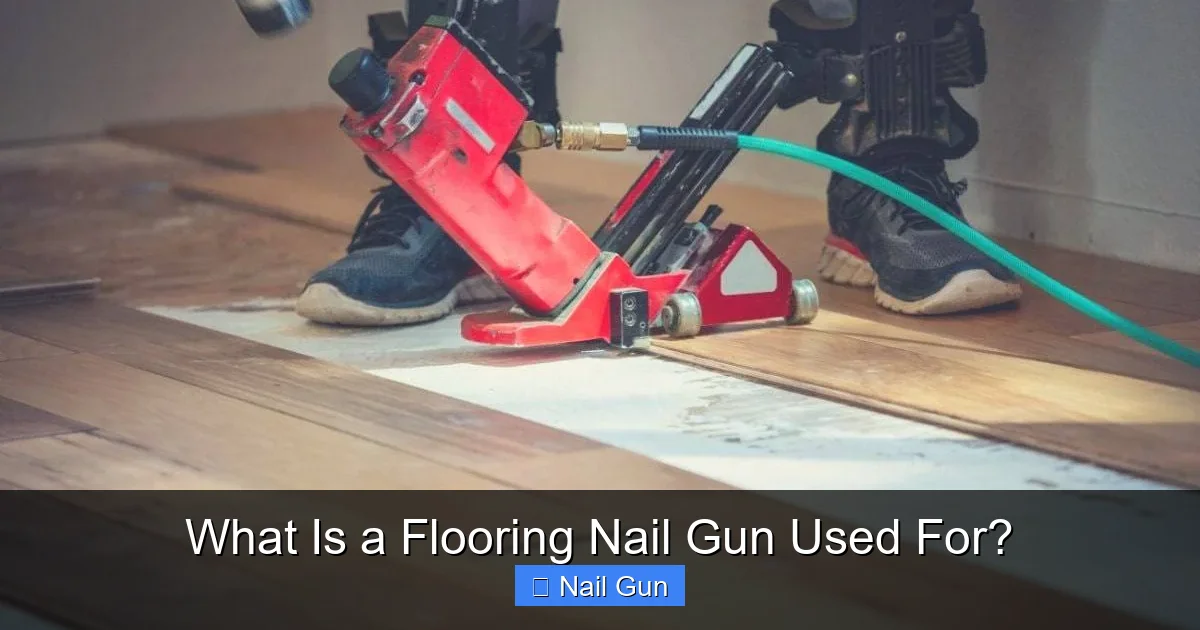
A flooring nail gun is a pneumatic or cordless tool specifically designed to fasten hardwood and engineered flooring to a subfloor. Unlike regular finish nailers or brad nailers, flooring nail guns are built to drive specialized fasteners—called cleats or staples—into the tongue of tongue-and-groove floorboards at a precise angle. This method, known as “blind nailing,” hides the fastener beneath the surface, leaving a clean, seamless look.
These tools are commonly used for installing solid hardwood, engineered wood, and bamboo flooring. They’re especially valuable when working with narrow planks or in tight spaces where traditional face-nailing isn’t practical.
How It Works
The flooring nail gun operates by using compressed air (in pneumatic models) or battery power (in cordless versions) to drive a cleat or staple through the tongue of a floorboard and into the subfloor. The nail is inserted at a 45-degree angle, which pulls the board tightly against the previous one, creating a snug, gap-free fit.
Most models come with a flooring attachment or a specialized base plate that fits over the tongue, guiding the nail accurately and preventing surface damage. Some advanced models even feature adjustable depth settings, so you can control how deeply the fastener is driven.
Types of Flooring Nail Guns
Visual guide about What Is a Flooring Nail Gun Used For?
Image source: toolsmirror.com
Not all flooring nail guns are the same. Choosing the right one depends on your project type, flooring material, and personal preference.
Pneumatic Flooring Nail Guns
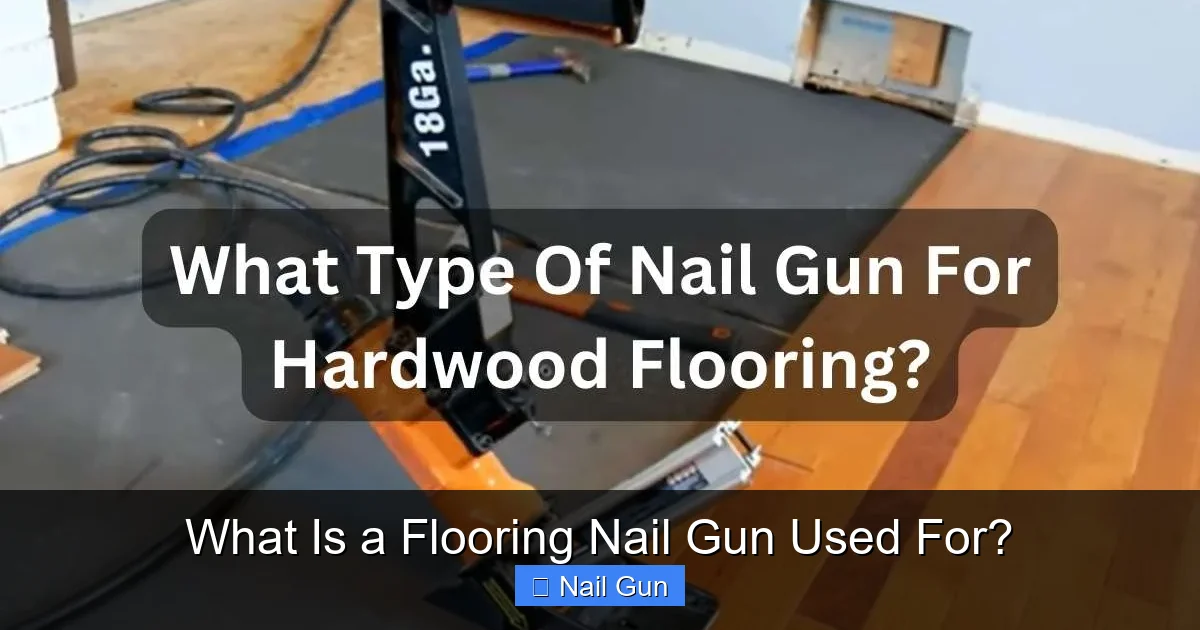
These are the most common and widely used models. They require an air compressor to function and are known for their power, consistency, and durability. Pneumatic nail guns are ideal for large-scale projects or professional use because they can drive hundreds of fasteners per hour without losing performance.
Pros: High power, consistent firing, long-lasting.
Cons: Requires an air compressor and hose, less portable.
Cordless (Battery-Powered) Flooring Nail Guns
Cordless models run on rechargeable lithium-ion batteries and offer greater mobility. They’re perfect for job sites without easy access to electricity or for DIYers who want a cleaner, quieter setup.
Pros: Portable, no hoses, easy to use in tight spaces.
Cons: Limited battery life, slightly less power than pneumatic models.
Manual Flooring Nailers
These are non-powered tools that use a lever mechanism to drive nails. While less common today, they’re still used for small repairs or in areas where noise and power tools aren’t practical.
Pros: Quiet, no power source needed, affordable.
Cons: Labor-intensive, slower, not suitable for large jobs.
Step-by-Step Guide: How to Use a Flooring Nail Gun
Using a flooring nail gun may seem intimidating at first, but with the right preparation and technique, it’s straightforward. Follow these steps for a smooth, professional installation.
Step 1: Prepare the Workspace
Before you begin, ensure the subfloor is clean, dry, and level. Remove any debris, nails, or old flooring. Lay down an underlayment if required—this helps with moisture protection and sound reduction.
Step 2: Acclimate the Flooring
Let your hardwood or engineered flooring acclimate to the room’s temperature and humidity for at least 48 hours. This prevents warping or gaps after installation.
Step 3: Install the First Row
Start along the longest wall. Use spacers to maintain a 1/4-inch expansion gap between the flooring and the wall. The first row is typically face-nailed (nailed directly through the surface) because there’s no previous board to lock into. Use a hammer and finishing nails for this step.
Step 4: Load the Nail Gun
Insert the correct cleats or staples into the magazine. Most flooring nail guns use 16-gauge or 18-gauge cleats, ranging from 1.5 to 2 inches in length. Check your flooring manufacturer’s recommendations for the right size.
Step 5: Position the Tool
Place the nail gun’s base plate over the tongue of the board you’re installing. Make sure it’s flush and aligned. The gun should sit at a 45-degree angle to the board.
Step 6: Fire the Nail
Press the tool firmly against the board and pull the trigger. The nail will drive through the tongue and into the subfloor, pulling the board tight against the previous one. Repeat every 6 to 8 inches along the board.
Step 7: Continue Across the Room
Work row by row, maintaining consistent spacing and alignment. Use a tapping block and mallet to gently adjust boards if they shift. Avoid over-tightening, which can cause buckling.
Step 8: Finish the Last Row
The final row may need to be cut to fit. Use a pull bar and hammer to secure it in place, as the nail gun may not fit in tight spaces.
Practical Tips for Best Results
– Use the Right Cleats: Match cleat length and gauge to your flooring thickness. Too short, and the hold won’t be secure; too long, and you risk damaging the subfloor.
– Maintain Consistent Pressure: Apply even pressure when firing to avoid overdriving or underdriving nails.
– Work in Sections: Don’t rush. Focus on one row at a time to ensure accuracy.
– Check Alignment Frequently: Use a straightedge to verify that boards are straight and gaps are minimized.
– Keep the Tool Clean: Sawdust and debris can clog the mechanism. Wipe down the gun regularly.
Troubleshooting Common Issues
Even with the best tools, problems can arise. Here’s how to fix the most common issues:
Nails Not Driving Fully
Cause: Low air pressure, dull cleats, or incorrect depth setting.
Solution: Check your compressor’s PSI (usually 70–120 PSI is ideal). Replace worn cleats and adjust the depth control.
Surface Damage or Splitting
Cause: Tool is tilted, cleats are too large, or boards are too dry.
Solution: Keep the gun level and use the correct fastener size. Ensure wood is properly acclimated.
Jammed Nail Gun
Cause: Debris in the magazine or bent cleats.
Solution: Disconnect the air supply, open the magazine, and remove any obstructions. Use only high-quality, straight cleats.
Loose or Gapping Boards
Cause: Insufficient nailing or improper angle.
Solution: Add more fasteners every 6 inches and ensure the nail is driven at the correct 45-degree angle.
Safety Guidelines
Using a flooring nail gun involves power and precision—safety should always come first.
– Wear Protective Gear: Safety glasses, ear protection, and gloves are essential.
– Disconnect Power: Always disconnect the air hose or remove the battery before clearing jams or performing maintenance.
– Keep Hands Clear: Never place your hands near the firing area.
– Read the Manual: Familiarize yourself with your specific model’s safety features and operating instructions.
Maintaining Your Flooring Nail Gun
Regular maintenance keeps your tool in top condition and extends its lifespan.
– Lubricate Moving Parts: Add a few drops of pneumatic tool oil to the air inlet before each use (for pneumatic models).
– Clean After Use: Wipe down the exterior and clear dust from the magazine and nosepiece.
– Store Properly: Keep the tool in a dry, cool place, preferably in a protective case.
– Inspect Regularly: Check for worn parts, loose screws, or air leaks.
Conclusion
A flooring nail gun is an indispensable tool for anyone installing hardwood or engineered flooring. It delivers speed, precision, and professional-quality results that are nearly impossible to achieve with manual nailing. Whether you’re renovating your home or working on a commercial project, investing in a quality flooring nail gun will save you time, reduce fatigue, and ensure a secure, long-lasting floor.
By understanding how it works, choosing the right model, and following proper techniques and safety practices, you can tackle any flooring job with confidence. With the right preparation and care, your flooring nail gun will be a reliable partner for years to come.
