


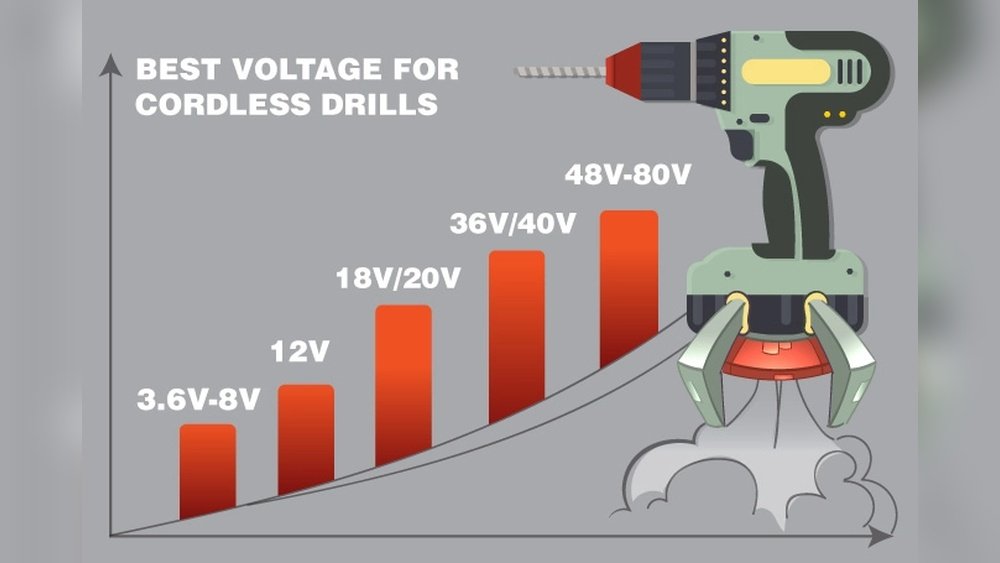
Choosing the right cordless drill can be tricky, especially when it comes to voltage. You might wonder, “What is a good voltage for a cordless drill?”
This question is important because the voltage affects how powerful and efficient your drill will be. Picking the wrong voltage could mean your drill won’t handle the jobs you need or that it’s heavier and harder to use. You’ll discover exactly what voltage works best for different tasks, so you can make a confident choice and get the most out of your tool.
Keep reading to find the perfect balance between power and convenience for your cordless drill.
Voltage Basics
Voltage is a key factor in choosing a cordless drill. It tells you about the drill’s electrical strength. This strength affects how well the drill works on different tasks.
Understanding voltage helps you pick the right drill for your needs. It also explains how the drill handles power and battery life.
What Voltage Means
Voltage measures electric force in a battery. It shows how much energy the battery can push through the drill. Higher voltage means more energy is available.
Most cordless drills have voltages between 12V and 24V. Lower voltage drills are lighter and good for small jobs. Higher voltage drills are heavier but stronger for tough jobs.
How Voltage Affects Power
Voltage directly impacts a drill’s power output. More voltage means the drill can spin faster and handle harder materials. It helps the drill work smoothly without slowing down.
Power also depends on other parts, like the motor and battery capacity. Still, voltage is a good starting point to judge drill strength.

Credit: www.magicfactory.pt
Common Voltage Ratings
Common voltage ratings help you choose the right cordless drill. Voltage shows the power a drill uses. It affects how strong and fast the drill works. Different tasks need different voltage levels. Understanding these levels helps you pick a drill for your needs.
Voltage ratings usually range from low to high. Each range fits certain jobs and user preferences. Let’s explore the common voltage options available.
Low Voltage Drills
Low voltage drills usually run on 12 volts or less. These drills are light and easy to carry. They work well for small jobs like hanging pictures or assembling furniture. Battery life is longer, but power is lower. They suit beginners and light users.
Mid Range Voltage Options
Mid range drills often have 18 volts or 20 volts. These models balance power and size. They can handle medium jobs like drilling into wood or metal. Many homeowners and hobbyists prefer this range. It offers good battery life and enough strength.
High Voltage Drills
High voltage drills start at 24 volts and go higher. These drills provide strong power for tough jobs. They work well for heavy drilling and construction tasks. High voltage means shorter battery life but more force. Professionals often choose these drills for demanding work.
Choosing Voltage By Task
Choosing the right voltage for a cordless drill depends on the task you plan to do. Different jobs need different power levels. Picking the right voltage helps you work better and saves battery life. Here’s a simple guide to match drill voltage with your tasks.
Light Duty Jobs
Light tasks need less power. A drill with 12 volts or less is enough. These jobs include hanging pictures, assembling furniture, or drilling small holes in wood. Lightweight drills are easier to handle and perfect for quick fixes.
Medium Duty Jobs
Medium tasks need more power but still stay manageable. Choose a drill with 14 to 18 volts. It works well for drilling into thicker wood or metal and for driving longer screws. This voltage range balances power and battery life for everyday projects.
Heavy Duty Jobs
Heavy tasks require the most power. Drills with 20 volts or more suit these jobs. Use them for drilling into concrete, masonry, or large pieces of wood. High voltage drills handle tough materials and long working hours without slowing down.
Battery Life And Voltage
Battery life and voltage are key factors in choosing a cordless drill. Voltage affects the power and speed of the drill. Battery life determines how long you can use the drill before recharging. These two work together to make the drill effective for your tasks.
Impact On Runtime
Higher voltage usually means more power. But it can also drain the battery faster. A drill with 18 volts may run longer than one with 12 volts. However, the type of battery matters too. Lithium-ion batteries hold charge better and last longer. Runtime depends on both voltage and battery quality.
Charging Considerations
Charging time varies with battery size and type. Higher voltage batteries often take longer to charge. Fast chargers can reduce charging time significantly. Avoid letting the battery fully drain to keep it healthy. Proper charging helps the battery last for many uses.
Weight And Portability
Weight and portability matter a lot for cordless drills. A heavy drill can tire your arm fast. A light drill feels easier to hold and move. This matters if you work in tight spaces or carry the drill for long hours. Understanding how voltage affects these factors helps you pick the right drill.
How Voltage Affects Weight
Higher voltage means a bigger battery. Bigger batteries add more weight to the drill. For example, an 18-volt drill is heavier than a 12-volt one. The extra weight can make the drill harder to control. Lower voltage drills are lighter but may have less power.
Balancing Power And Comfort
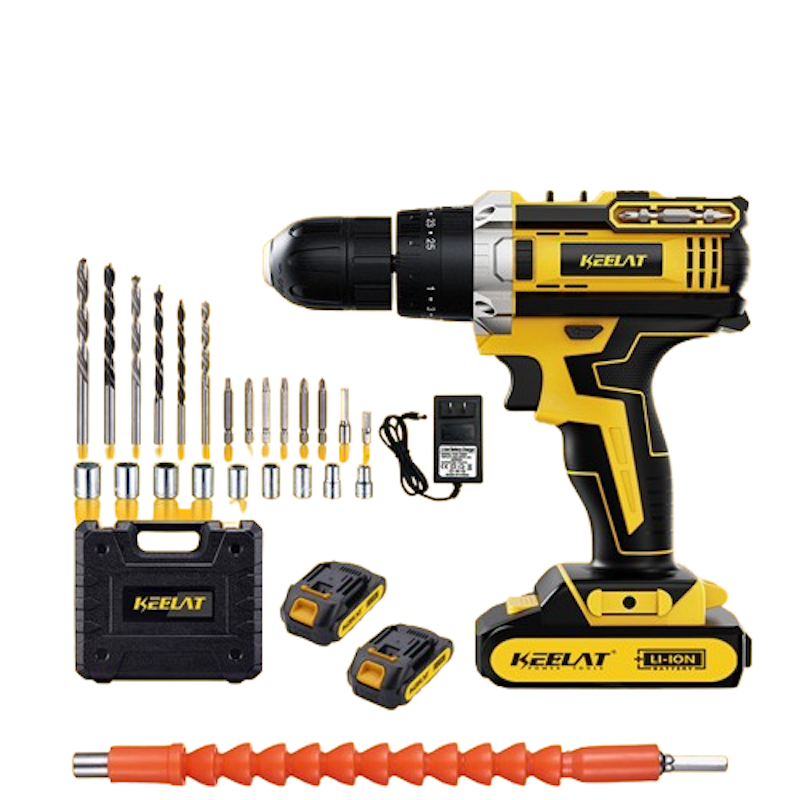
Choosing a drill is about balance. You want enough power for your jobs. But you also want a drill that feels comfortable. Mid-range voltage drills, like 14.4 or 18 volts, often strike this balance well. They offer good power without being too heavy. Comfort helps you work longer without pain or fatigue.
Credit: www.ameelectrical.co.uk
Safety And Voltage
Safety matters a lot when using cordless drills. The voltage of a drill affects its power and how it handles tasks. Higher voltage means more power but also more risk. Knowing the right voltage helps keep you safe and work easier.
Handling High Voltage Drills
High voltage drills can cause serious injury if not handled well. Always hold the drill firmly to avoid slips. Use both hands if the drill feels heavy or unsteady. Keep the drill away from water and wet areas to avoid electric shock.
Wear safety glasses to protect your eyes from flying debris. Do not force the drill into hard materials; let the drill do the work. Take breaks to avoid hand fatigue, which can lead to accidents.
Maintenance Tips
Keep your drill clean and dry after every use. Check the battery for any damage or leaks. Replace batteries that do not hold charge well. Store the drill in a cool, dry place to extend its life.
Inspect the drill bit before starting work. Replace dull or broken bits to prevent accidents. Regularly tighten loose screws and parts to keep the drill safe. Simple care helps your drill work better and last longer.
Expert Recommendations
Experts suggest choosing the right voltage based on your needs and experience. Voltage affects power, weight, and battery life. Picking the correct voltage makes your work easier and safer.
Best Voltage For Beginners
For beginners, 12V to 18V cordless drills work best. These drills offer enough power for simple tasks. They are lighter and easier to handle. This range is great for small jobs around the house. Battery life is good enough for most beginner projects. These drills cause less fatigue during use. Good for drilling into wood, plastic, and soft metals. Low voltage means lower cost and less maintenance.
Professional Grade Choices
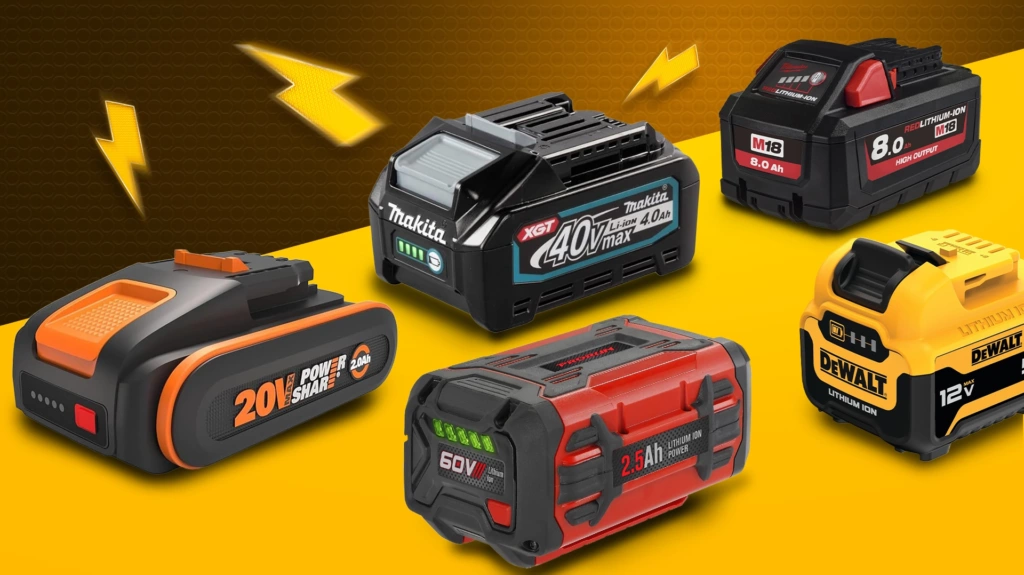
Professionals often select 18V to 24V drills for tougher jobs. Higher voltage provides more torque and speed. These drills handle dense materials like metal and concrete. They last longer on a single charge. Built to withstand heavy use and rough conditions. Professionals need reliable power for continuous work. High voltage drills are heavier but offer better performance. Ideal for construction, carpentry, and industrial tasks.
Credit: ronixtools.com
Frequently Asked Questions
What Voltage Is Best For General Cordless Drill Use?
A 12V to 18V cordless drill is ideal for most household tasks. It offers a good balance of power and battery life, suitable for drilling into wood, metal, and light masonry.
How Does Voltage Affect Cordless Drill Performance?
Higher voltage means more power and torque, allowing the drill to handle tougher jobs. However, higher voltage drills are usually heavier and more expensive.
Is An 18v Cordless Drill Better Than 12v?
Yes, 18V drills provide more power and longer run time. They are better for heavy-duty tasks but might be bulkier and pricier than 12V models.
Can Low Voltage Drills Handle Diy Projects?
Absolutely. Low voltage drills (12V or less) are lightweight and perfect for light DIY tasks like assembling furniture or hanging pictures.
Conclusion
Choosing the right voltage depends on your drilling needs. Lower voltage drills suit light tasks and small jobs. Higher voltage drills work better for tough materials and long use. Balance power with weight and battery life. A good cordless drill gives you control and comfort.
Consider how often and where you will use it. This helps you pick the best voltage for your projects. Keep it simple, and your work will go smoothly.
