


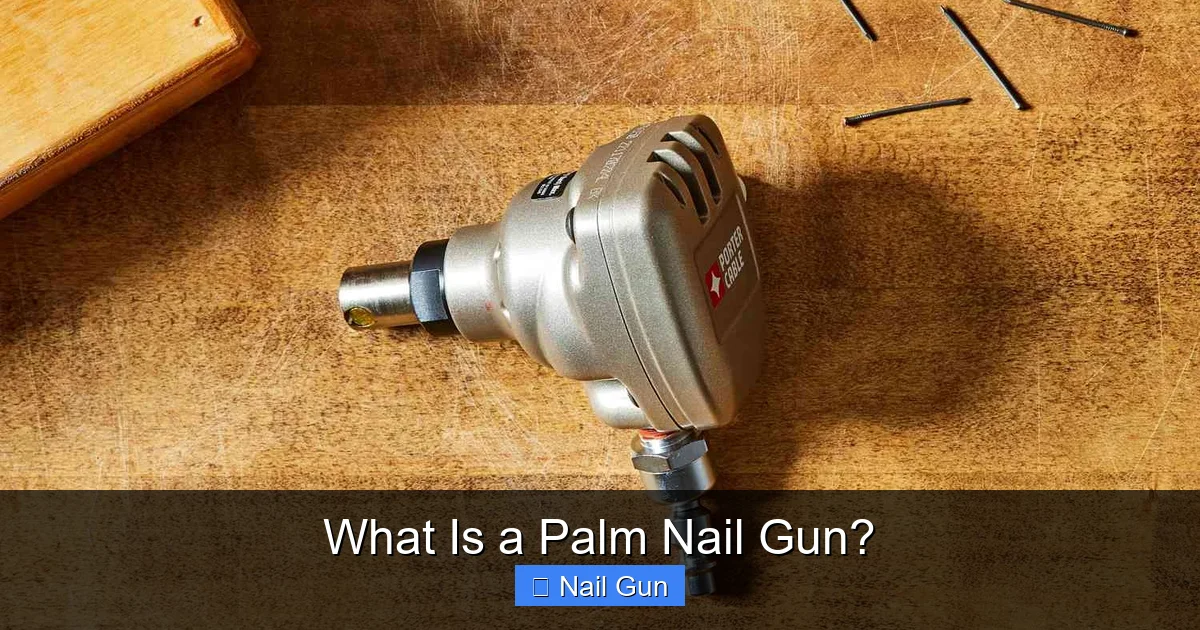
A palm nail gun is a compact, handheld tool designed to drive nails in tight or hard-to-reach areas where full-sized nail guns can’t fit. Powered by compressed air, electricity, or batteries, it’s ideal for detailed woodworking, framing, and trim work.
Key Takeaways
- Step-by-step: Easy to follow instructions
What Is a Palm Nail Gun?
If you’ve ever struggled to drive a nail into a tight corner, behind a pipe, or high up on a ceiling, you’ll appreciate the palm nail gun. This small but mighty tool is designed for precision nailing in places where bigger nail guns simply can’t go. Whether you’re installing baseboards, assembling cabinets, or doing detailed trim work, a palm nail gun can save you time, effort, and frustration.
In this guide, you’ll learn exactly what a palm nail gun is, how it works, the different types available, and how to use one safely and effectively. We’ll also cover common applications, troubleshooting tips, and what to look for when buying one. By the end, you’ll know whether a palm nail gun deserves a spot in your toolbox.
How Does a Palm Nail Gun Work?
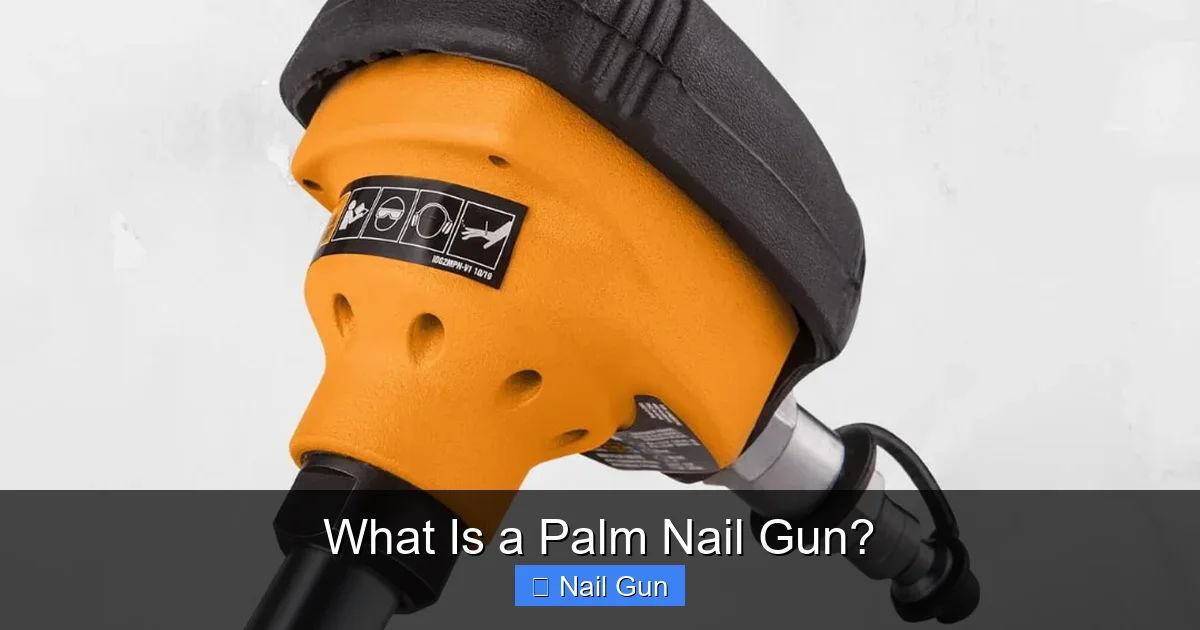
Visual guide about What Is a Palm Nail Gun?
Image source: 9to5equipment.com
At first glance, a palm nail gun looks like a small, handheld device—often no bigger than a TV remote. But don’t let its size fool you. It packs a punch thanks to its internal mechanism that drives nails with rapid, repetitive blows.
Basic Operation
Most palm nail guns use a piston-driven system. When activated, the piston moves rapidly back and forth, striking the nail with short, powerful bursts. This allows the nail to be driven into wood or other materials without requiring a single heavy impact. The repeated tapping action makes it easier to control and reduces the chance of splitting delicate trim or molding.
Power Sources
Palm nail guns come in three main power types:
- Pneumatic: These models run on compressed air from an air compressor. They’re lightweight, powerful, and ideal for professionals who already use air tools. However, they require a hose and compressor, which can limit mobility.
- Corded Electric: Powered by electricity, these versions offer consistent performance without the need for batteries or air hoses. Great for indoor projects near outlets, but the cord can be a hassle on job sites.
- Cordless/Battery-Powered: The most portable option, these use rechargeable lithium-ion batteries. They’re perfect for remote locations or when you don’t want to deal with cords or compressors. Battery life varies, so check runtime before buying.
Common Uses and Applications
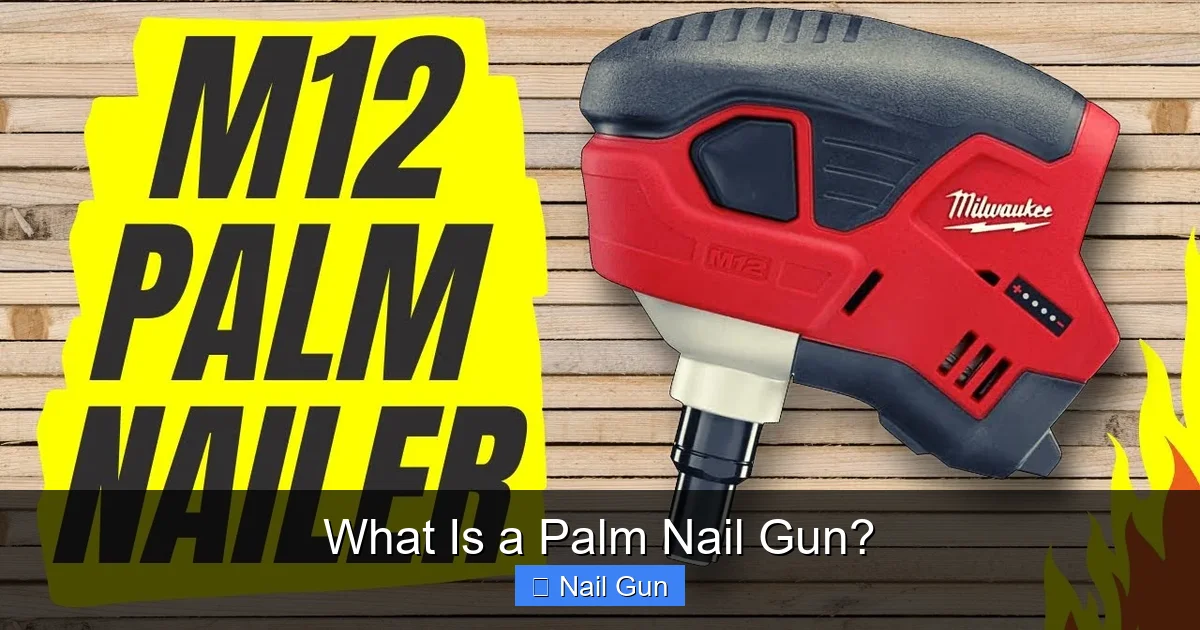
Visual guide about What Is a Palm Nail Gun?
Image source: i.ytimg.com
Palm nail guns aren’t meant to replace your framing nailer or finish nailer. Instead, they complement them by handling jobs that require finesse and access to tight spaces.
Trim and Molding Installation
One of the most popular uses for a palm nail gun is installing baseboards, crown molding, and door casings. These areas often have tight gaps between walls, floors, and ceilings. A full-sized nail gun won’t fit, but a palm nailer slips right in. You can drive finish nails precisely without marring the surface.
Cabinet and Furniture Assembly
When building or repairing cabinets, a palm nail gun helps secure joints and back panels in confined areas. It’s especially useful for attaching thin wood pieces where a larger tool might cause damage.
Overhead and Vertical Work
Because it’s lightweight and easy to control, a palm nail gun is great for nailing into ceilings or high walls. You can hold it in one hand while positioning materials with the other—no ladder juggling required.
Framing in Tight Spaces
While not designed for heavy framing, some palm nailers can handle smaller framing tasks like toe-nailing studs or securing blocking between joists. Always check the tool’s specifications to ensure it supports the nail size and material you’re using.
Step-by-Step Guide: How to Use a Palm Nail Gun
Using a palm nail gun is simple, but proper technique ensures safety and effectiveness. Follow these steps for best results.
Step 1: Choose the Right Nails
Palm nail guns use specific nail types, usually 18-gauge brad nails or 16-gauge finish nails, ranging from ½ inch to 2 inches in length. Check your tool’s manual for compatible nail sizes. Using the wrong nails can cause jams or damage the tool.
Step 2: Prepare the Tool
- For pneumatic models: Connect the air hose to the gun and the compressor. Set the compressor to the recommended PSI (usually 70–100 PSI).
- For electric models: Plug in the tool or ensure the battery is fully charged.
- Load the nails into the magazine. Most palm nailers have a side-loading design—slide the nail strip in until it clicks.
Step 3: Adjust Depth and Settings
Some palm nail guns allow you to adjust the driving depth. This controls how deep the nail sinks into the material. For softwoods or delicate trim, set it to drive nails slightly below the surface. For harder woods, you may need a deeper setting. Test on a scrap piece first.
Step 4: Position and Fire
Hold the palm nail gun firmly in one hand, with your fingers away from the trigger area. Press the nose of the tool flat against the workpiece. Apply steady pressure and squeeze the trigger. The tool will fire in rapid bursts until the nail is fully driven.
Step 5: Reload and Repeat
When the magazine is empty, release the trigger and reload. Always disconnect the power source (air or electricity) before reloading for safety.
Safety Tips and Best Practices
Even though palm nail guns are small, they can still cause injury if mishandled. Follow these safety guidelines:
- Wear safety glasses: Flying debris or ricocheting nails can harm your eyes.
- Use hearing protection: Pneumatic models can be loud, especially in enclosed spaces.
- Keep fingers clear: Never place your hand near the nail exit point. Use clamps to hold materials in place.
- Disconnect power when not in use: Prevents accidental firing during adjustments or transport.
- Work in a well-ventilated area: Especially important when using pneumatic tools with compressors that emit fumes.
Troubleshooting Common Issues
Even the best tools can have problems. Here’s how to fix common palm nail gun issues:
Nails Not Firing
- Check the power source: Is the compressor on? Is the battery charged?
- Ensure the air pressure is correct (for pneumatic models).
- Verify that nails are loaded correctly and the magazine isn’t jammed.
Jammed Nails
Turn off the tool and disconnect the power. Open the magazine and remove any stuck nails. Use needle-nose pliers if needed. Avoid forcing the mechanism—this can cause damage.
Nails Not Driving Deep Enough
- Increase air pressure (pneumatic) or check battery level (cordless).
- Adjust the depth setting if available.
- Make sure you’re applying enough pressure when firing.
Tool Overheating
Continuous use can cause overheating, especially in electric models. Allow the tool to cool down every 15–20 minutes. Avoid blocking ventilation ports.
Choosing the Right Palm Nail Gun
With so many models on the market, picking the right one depends on your needs.
Consider the Power Source
- If you already use pneumatic tools, a pneumatic palm nailer makes sense.
- For portability and convenience, go cordless.
- If you’re working indoors near outlets, a corded electric model offers reliable power.
Check Nail Compatibility
Make sure the tool supports the nail sizes you’ll be using most often. Some models only work with brad nails, while others handle larger finish nails.
Look for Ergonomic Features
A comfortable grip, lightweight design, and balanced weight reduce hand fatigue during long projects. Rubberized grips and low vibration are big pluses.
Read Reviews and Warranty
Check customer reviews for reliability and performance. A good warranty (1–3 years) shows the manufacturer stands behind the product.
Conclusion
A palm nail gun is a smart investment for anyone who does detailed woodworking, trim installation, or cabinetry. Its compact size, ease of use, and precision make it invaluable for jobs where larger tools fall short. Whether you’re a DIY enthusiast or a professional contractor, this tool can save you time and improve your results.
Remember to choose the right type for your needs, follow safety practices, and maintain your tool properly. With the right palm nail gun in your kit, even the tightest spaces won’t stand in your way.
