


Choosing the right cordless drill can feel confusing, especially with so many sizes and options available. You might wonder, “What size cordless drill do I really need?” Picking the perfect size matters because it affects how easy your projects will be and how comfortable you feel using the tool.
You’ll discover simple tips to match the drill size to your needs. By the end, you’ll know exactly which cordless drill fits your home or work projects, saving you time, effort, and money. Keep reading to find the drill that works best for you.
Credit: onevantool.com
Cordless Drill Sizes
Cordless drills come in different sizes to fit various tasks. Choosing the right size affects comfort and power. Smaller drills are easier to handle, while bigger drills offer more strength. Understanding the size options helps you pick the best drill for your needs.
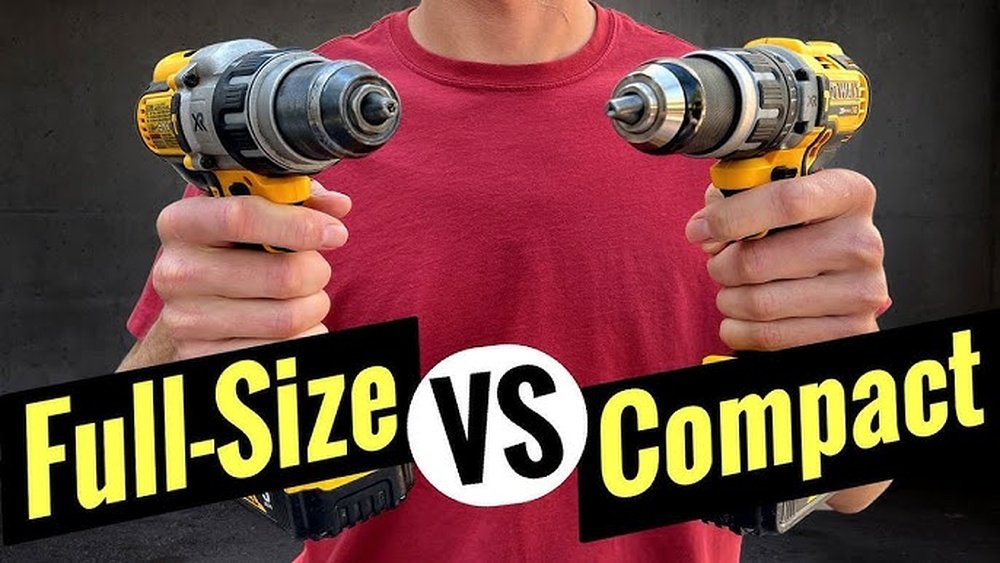
Compact Drills
Compact drills are small and lightweight. They work well in tight spaces and for light jobs. These drills are easy to carry and cause less fatigue. Ideal for simple tasks like hanging pictures or assembling furniture.
Mid-size Drills
Mid-size drills balance power and size. They handle most home projects well. These drills offer enough torque for drilling holes and driving screws. Perfect for both beginners and regular DIY users.
Full-size Drills
Full-size drills are the most powerful option. They suit heavy-duty tasks and professional use. These drills provide high torque and longer battery life. Best for construction, woodworking, and demanding drilling jobs.
Credit: www.homedepot.com
Battery Voltage And Power
Battery voltage and power are key factors in choosing a cordless drill. Voltage shows how strong the drill is. Power affects how well the drill works on tough jobs. Understanding these helps pick the right drill size for your needs.
Low Voltage Models
Low voltage drills usually have 12 volts or less. They are light and easy to handle. These drills work well for small tasks like hanging pictures or assembling furniture. They use less battery power and are good for beginners.
Medium Voltage Options
Medium voltage drills range from 12 to 18 volts. They offer a balance between power and weight. These models handle most household jobs with ease. Drilling into wood, metal, or plastic becomes simpler and faster.
High Voltage Performance
High voltage drills have 18 volts or more. They deliver strong power for heavy-duty work. These drills cut through tough materials like concrete or thick wood. Ideal for construction and professional use where extra power matters.
Torque And Speed
Torque and speed are key features of cordless drills. They affect how well the drill works on different projects. Understanding these helps you pick the right drill size. Torque tells how strong the drill is. Speed shows how fast the drill spins. Both work together to make drilling easier and more efficient.
Torque Explained
Torque is the twisting force the drill can apply. It helps the drill turn screws or drill holes. High torque means the drill can handle tough materials. Low torque is fine for light jobs like assembling furniture. Torque is usually measured in inch-pounds or Newton-meters.
Speed Settings
Speed is how fast the drill bit spins. Drills often have multiple speed settings. Low speed gives more control and power. High speed is good for drilling soft materials quickly. Adjusting speed helps match the drill to the task.
Matching Torque To Tasks
Choose a drill with enough torque for your projects. Light tasks like hanging pictures need low torque. Heavy tasks like drilling into metal need high torque. Use lower speed for more torque in tough jobs. This match saves battery and prevents drill damage.
Common Job Types
Choosing the right size cordless drill depends on the type of jobs you plan to do. Different tasks need different power and size. Understanding common job types helps pick the best drill for your needs.
Light Diy Projects
Light DIY projects include small tasks like hanging pictures or assembling furniture. These jobs need a compact drill with low power. A 12-volt drill usually works well. It is easy to handle and perfect for quick tasks around the house.
Home Repairs
Home repairs cover a wider range of tasks. These may include fixing cabinets or drilling into walls. A 18-volt drill offers more power and battery life. It handles tougher materials and longer jobs. This size is a good middle ground for most homeowners.
Heavy-duty Construction
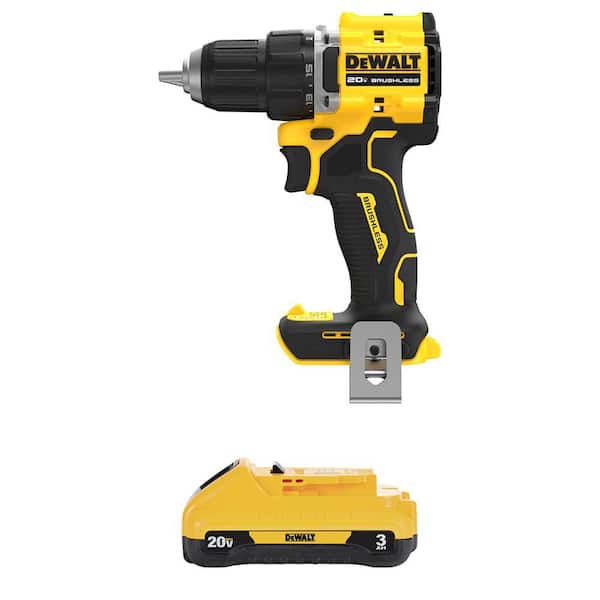
Heavy-duty construction involves drilling into hard materials like concrete or wood beams. These jobs need a strong, powerful drill. A 20-volt or higher drill is best for this work. It delivers high torque and longer run time. Professionals and serious DIYers prefer these drills for big projects.
Drill Size Recommendations
Choosing the right cordless drill size helps complete tasks efficiently and safely. Different jobs require different power and drill sizes. Selecting the proper drill ensures better control and less fatigue. This guide gives clear size recommendations for various needs.
For Basic Tasks
Small drills with 12-volt batteries suit light jobs. Drilling into wood, hanging pictures, or assembling furniture works well. These drills are light and easy to handle. Perfect for beginners or occasional users.
For Intermediate Use
Drills with 18-volt batteries provide more power and speed. They handle tougher materials like metal and hardwood. Great for home improvement projects and regular repairs. These drills balance strength and portability.
For Professional Work
Heavy-duty drills with 20-volt or higher batteries fit professional needs. They offer maximum torque and long battery life. Ideal for construction, large projects, or frequent use. Built to last and perform in demanding situations.

Credit: www.reddit.com
Ergonomics And Weight
Ergonomics and weight play a big role in choosing the right cordless drill size. A drill that feels good in your hand makes work easier and less tiring. The weight affects how long you can use the drill without feeling strain. Picking the right size means thinking about comfort and balance.
Handling And Comfort
A comfortable grip helps you control the drill better. Look for a drill with a handle that fits your hand well. Soft, rubbery grips reduce slipping and pain. A well-balanced drill feels lighter and easier to move around. Good handling reduces fatigue and improves accuracy.
Battery Weight Impact
The battery adds most of the drill’s weight. Bigger batteries last longer but weigh more. Small batteries are light but may run out faster. Choose a battery size that fits your work time and strength. Heavy batteries make the drill harder to hold steady. Balance battery life with how much weight you can handle.
Additional Features To Consider
Choosing the right cordless drill size is important. But extra features also affect your work. These features help improve control, comfort, and tool use. They make your drilling tasks easier and more precise.
Chuck Size
The chuck holds drill bits in place. It comes in sizes like 3/8 inch or 1/2 inch. A larger chuck fits bigger bits. Smaller chucks are lighter and fit smaller bits. Pick a chuck size based on your project needs.
Clutch Settings
The clutch controls how much torque the drill uses. More settings give better control over drilling depth. This prevents screws from stripping or going too deep. It helps when working with different materials like wood or metal.
Cordless Drill Accessories
Accessories add value and expand your drill’s use. Common ones include extra batteries, carrying cases, and drill bit sets. Some drills come with LED lights to help see in dark places. Choose accessories that match your tasks and improve convenience.
Budget And Brand Choices
Choosing the right cordless drill depends a lot on your budget and brand preferences. These two factors affect quality, features, and durability. Understanding your budget helps narrow down your options. Knowing which brands offer reliable tools saves time and worry.
Affordable Options
Affordable cordless drills suit light or occasional use. These drills offer basic features without extra costs. They work well for small household tasks. Many budget models come with decent battery life. They may lack advanced features found in pricier drills. Still, they get the job done for simple projects.
Premium Models
Premium cordless drills offer stronger motors and longer battery life. They have extra features like multiple speed settings and LED lights. These models handle tough jobs better. Professionals often choose premium drills for reliability. They cost more but last longer. This makes them a good investment for heavy use.
Brand Reputation
Brand reputation shows the trust and quality behind a cordless drill. Well-known brands often use better materials and designs. They provide good customer support and warranties. Choosing a trusted brand reduces the risk of defects. It also ensures easy access to replacement parts. Reading user reviews helps spot reliable brands.
Frequently Asked Questions
What Size Cordless Drill Is Best For Home Use?
A 12-volt cordless drill is ideal for most home projects. It offers a good balance of power and portability. It handles tasks like drilling holes, assembling furniture, and light repairs efficiently.
How Do I Choose The Right Cordless Drill Size?
Consider the drill’s voltage, torque, and battery life. For heavy-duty jobs, choose 18-20 volts. For light tasks, 12 volts suffice. Match the drill size to your project needs for optimal performance.
Can A Small Cordless Drill Handle Tough Materials?
Small cordless drills can handle light materials but struggle with tough ones. For dense wood or metal, a higher voltage drill is better. Choose a larger drill for more power and durability.
Does Drill Size Affect Battery Life?
Yes, larger drills with higher voltage consume more battery power. Smaller drills use less power and offer longer battery life. Choose a drill size balancing power and battery duration based on your work.
Conclusion
Choosing the right cordless drill size depends on your tasks and comfort. Smaller drills work well for light jobs and tight spaces. Bigger drills handle tough jobs and heavy materials easily. Think about battery life and weight too. A balanced drill saves your energy and time.
Pick a size that feels good in your hand. This helps you work longer without strain. Remember, the best drill fits your needs, not just the power. Take your time, and you’ll find the perfect match for your projects.
