



Are you wondering what to do with your old cordless drill batteries? You’re not alone.
These batteries can be tricky to dispose of, and tossing them in the trash can harm the environment. But don’t worry—recycling them is easier than you think. You’ll discover the best places to recycle your cordless drill batteries safely and responsibly.
Keep reading to learn how you can protect the planet while clearing out your toolbox.
Why Recycle Cordless Drill Batteries
Recycling cordless drill batteries is very important. These batteries contain materials that can harm the earth if thrown away. Proper recycling helps save natural resources and reduces pollution. It also keeps harmful chemicals out of landfills.
Many people do not realize the risks of tossing batteries in the trash. Recycling helps avoid these dangers. It also allows valuable metals to be reused, which lowers the need to mine new materials.
Environmental Impact Of Battery Waste
Battery waste can leak toxic chemicals into soil and water. These chemicals harm plants, animals, and people. Batteries contain metals like lead and cadmium that do not break down easily. When batteries are recycled, these metals get recovered and reused. This process reduces damage to nature and saves energy.
Health Risks Of Improper Disposal
Throwing batteries in the trash can cause health problems. Toxic chemicals can enter the air and water supply. These chemicals may cause breathing issues, skin problems, and other illnesses. Workers handling waste also face health risks from battery toxins. Recycling batteries safely prevents these dangers and protects communities.
Types Of Cordless Drill Batteries
Cordless drills use different types of batteries to power their tools. Each type has unique features and recycling needs. Knowing these battery types helps handle them safely and recycle properly. This knowledge supports the environment and prevents harm from battery chemicals.
Lithium-ion Batteries
Lithium-ion batteries are common in modern cordless drills. They are lightweight and hold charge longer. These batteries do not suffer from memory effect. Proper recycling prevents fires and recovers valuable metals. Many recycling centers accept lithium-ion batteries safely.
Nickel-cadmium Batteries
Nickel-cadmium (NiCd) batteries are older but still found in some drills. They are durable but contain toxic cadmium. Recycling NiCd batteries is very important to avoid environmental damage. Special disposal rules apply to these batteries. Many hazardous waste facilities collect them for recycling.
Nickel-metal Hydride Batteries
Nickel-metal hydride (NiMH) batteries replaced many NiCd batteries. They have less toxic materials and better capacity. NiMH batteries should be recycled at designated centers. Recycling helps recover rare metals and reduces landfill waste. Many stores and recycling sites accept NiMH batteries.
Where To Recycle Drill Batteries
Drill batteries contain harmful chemicals. Throwing them in the trash can pollute the soil and water. Recycling these batteries keeps the environment safe. It also helps recover valuable materials for new batteries.
Many places accept cordless drill batteries for recycling. Find a convenient location to drop off your old batteries. Safe disposal protects health and nature.
Local Recycling Centers
Local recycling centers often take cordless drill batteries. These centers handle many types of batteries safely. Search your city’s waste management website to find nearby centers. They usually have special bins for battery drop-offs.
Retail Store Drop-offs
Many hardware stores accept used drill batteries. Stores like Home Depot and Lowe’s offer battery recycling programs. Bring your old batteries to the store’s customer service desk. Staff will guide you to the correct recycling bin.
Specialized Battery Recyclers
Some companies focus only on battery recycling. These specialized recyclers use advanced methods to process batteries. Check online for certified battery recycling companies near you. They ensure batteries are recycled safely and correctly.
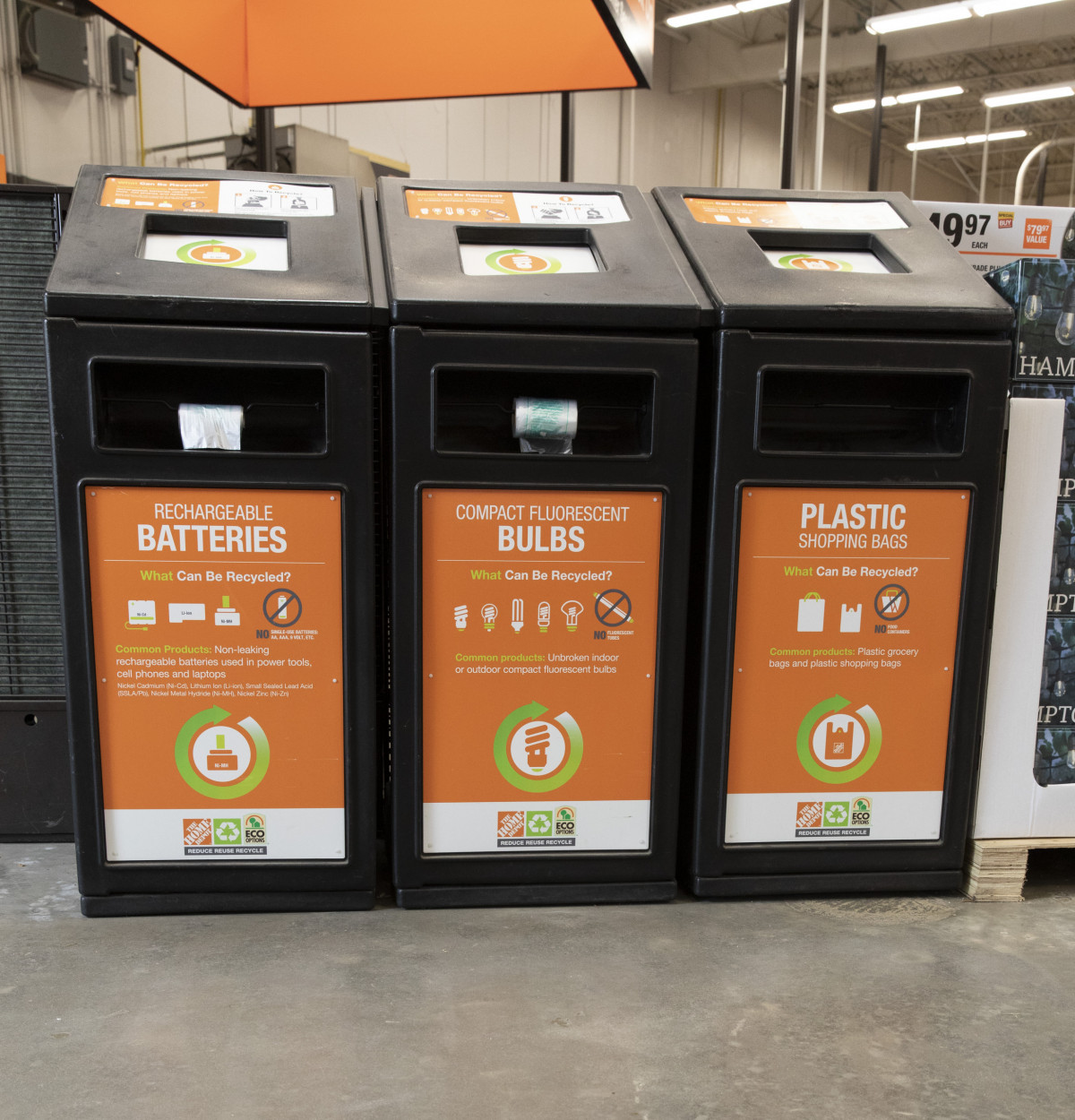
Credit: ecoactions.homedepot.com
How To Prepare Batteries For Recycling
Preparing cordless drill batteries for recycling is important. Proper preparation keeps everyone safe. It also helps recycling centers handle batteries correctly. Follow clear steps before dropping off your batteries.
Safety Precautions
Wear gloves to protect your hands. Avoid touching battery terminals. Check for damage like leaks or cracks. If a battery is damaged, do not recycle it with others. Keep batteries away from metal objects. Store them in a cool, dry place before recycling.
Packaging Tips
Cover battery terminals with tape. Use non-conductive tape like electrical tape. This prevents short circuits during transport. Place batteries in a plastic bag or box. Keep different types of batteries separate. Label the package if required by the recycling center.
Benefits Of Recycling Drill Batteries
Recycling cordless drill batteries offers many benefits for the environment and society. These batteries contain valuable materials that can be reused. Proper recycling helps reduce waste and protects natural resources. It also helps lower pollution and supports a sustainable economy. Understanding these benefits encourages responsible disposal of drill batteries.
Resource Conservation
Drill batteries have metals like lithium, cobalt, and nickel. Recycling recovers these metals for new batteries and products. This reduces the need to mine new materials. Mining can harm landscapes and wildlife. Saving resources helps protect the planet for future generations.
Reducing Pollution
Battery chemicals can leak and pollute soil and water. Recycling stops harmful substances from entering the environment. It also lowers greenhouse gas emissions from producing new materials. Cleaner air and water improve health for people and animals.
Supporting Circular Economy
Recycling drill batteries keeps materials in use longer. This creates a circular economy where products are reused and recycled. It reduces waste and saves energy. Supporting this system helps build a more sustainable future for everyone.

Credit: corporate.lowes.com
Alternative Eco-friendly Options
Finding eco-friendly ways to handle cordless drill batteries helps protect the planet. Recycling is one option, but there are other green methods to try. These choices reduce waste and extend battery life. They also save money and cut down on pollution.
Battery Reconditioning
Battery reconditioning restores old batteries to work like new. It removes built-up crystals that block energy flow. This process can add years to your cordless drill battery life. Reconditioning requires some tools but is simple to learn. It keeps batteries out of the trash and reduces demand for new ones.
Using Rechargeable Batteries
Rechargeable batteries lower the need for disposable ones. They charge quickly and last through many uses. Switching to rechargeable batteries cuts down waste and saves money. Many cordless drills now come with rechargeable options. Choosing these batteries helps reduce landfill waste and pollution.

Credit: www.call2recycle.org
Frequently Asked Questions
Where Can I Recycle Cordless Drill Batteries Safely?
You can recycle cordless drill batteries at local recycling centers or hazardous waste facilities. Many home improvement stores also offer battery recycling programs. Always check if the battery type is accepted before dropping it off.
Are There Stores That Accept Cordless Drill Battery Recycling?
Yes, major retailers like Home Depot, Lowe’s, and Best Buy often accept cordless drill batteries. They provide designated recycling bins for safe disposal. Confirm store participation online or by calling ahead to ensure they accept your battery type.
Can I Mail Cordless Drill Batteries For Recycling?
Some recycling programs offer mail-in options for cordless drill batteries. You need to package batteries safely and follow specific shipping guidelines. Visit certified battery recycling websites to find mail-in services and instructions.
Why Is Recycling Cordless Drill Batteries Important?
Recycling reduces hazardous waste and recovers valuable materials like lithium and nickel. Proper recycling prevents pollution and conserves natural resources. It also ensures batteries don’t end up in landfills, protecting the environment.
Conclusion
Recycling cordless drill batteries helps protect the environment. Many local stores and recycling centers accept these batteries. Some manufacturers also offer mail-in recycling programs. Always check for safe disposal methods in your area. Don’t throw batteries in the trash. Proper recycling prevents harmful chemicals from polluting soil and water.
It also helps recover valuable materials for reuse. Small actions make a big difference. Choose a nearby recycling point today. Keep your community safe and clean.
